
1991 Nissan R91CK - Group C
price on application
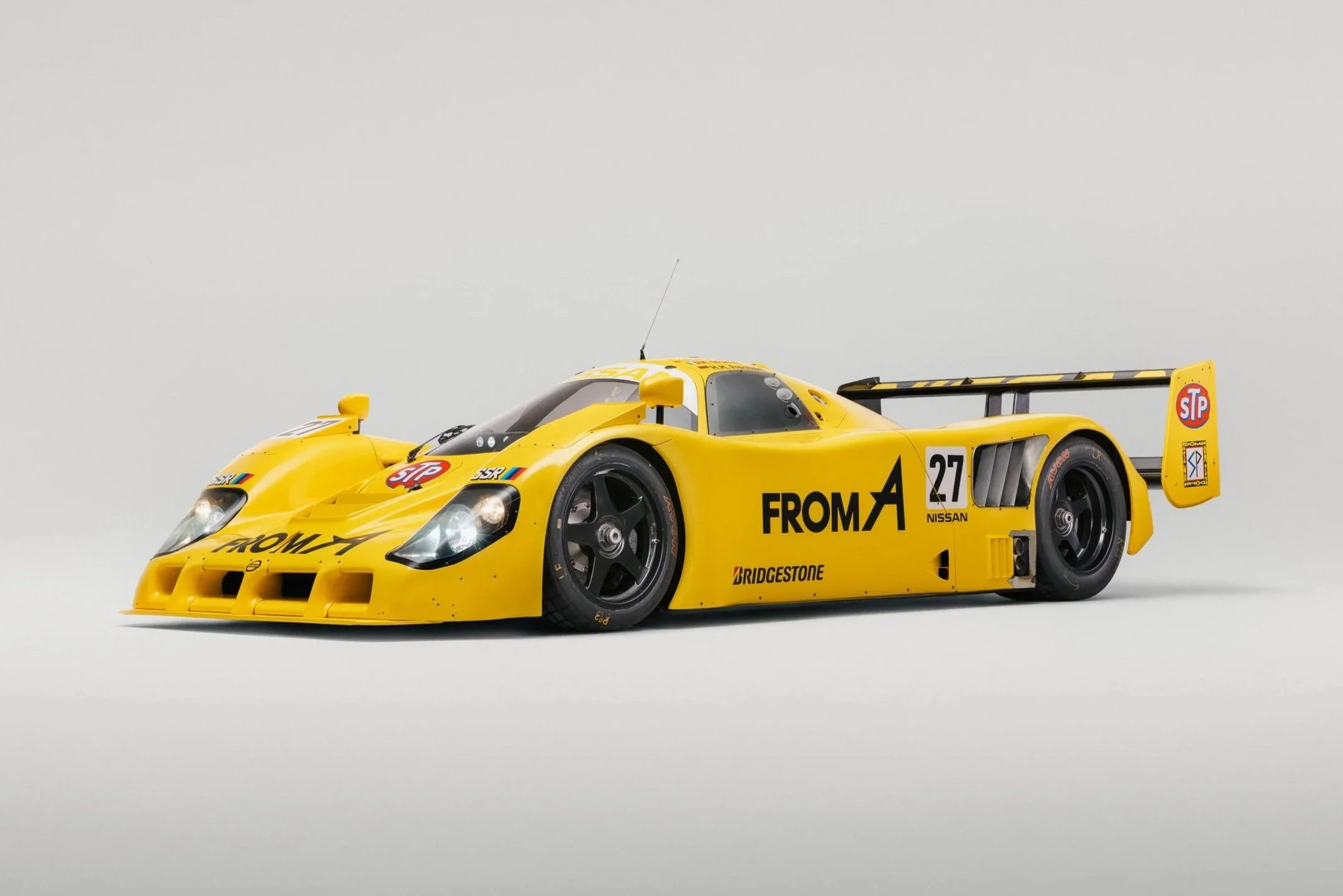
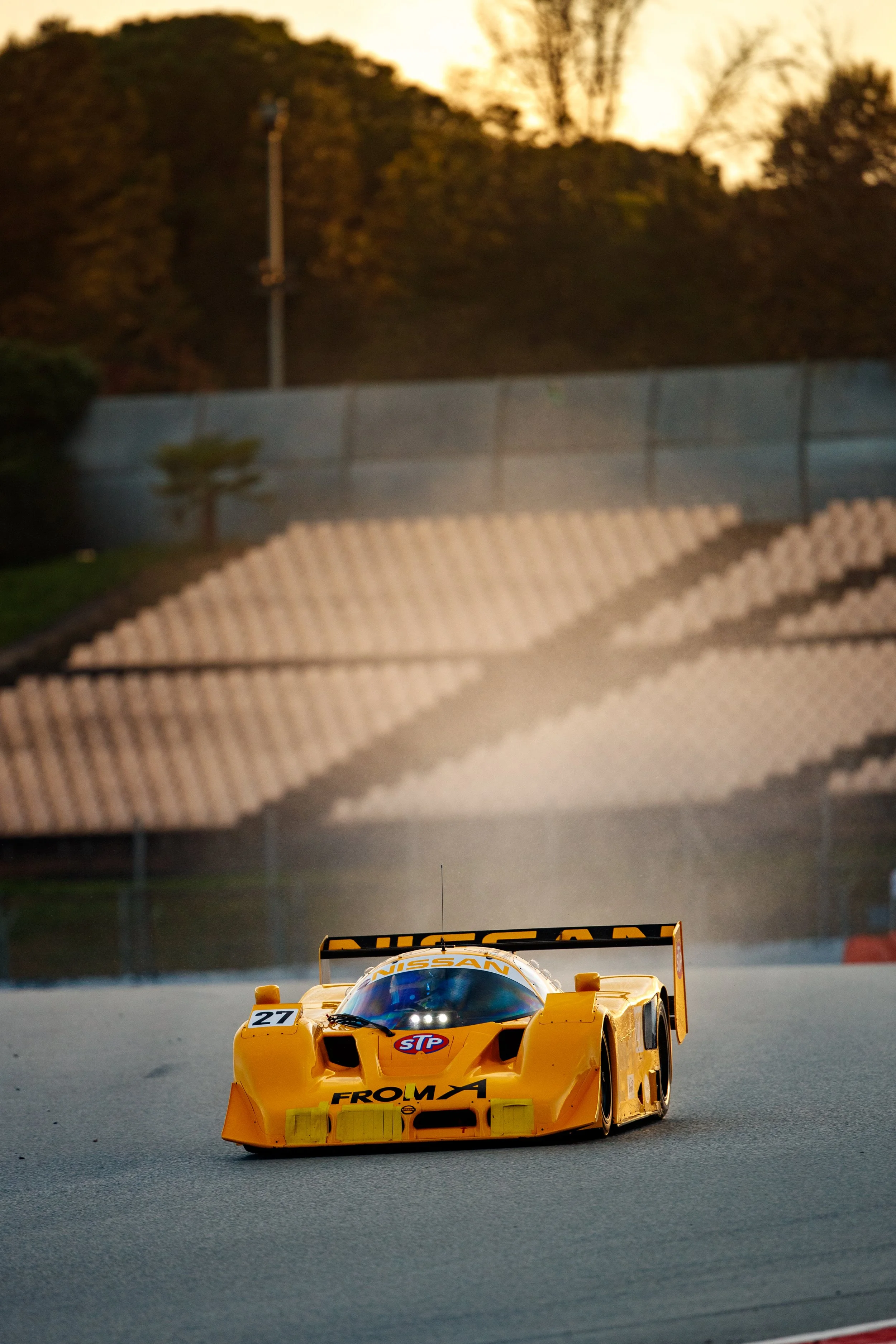
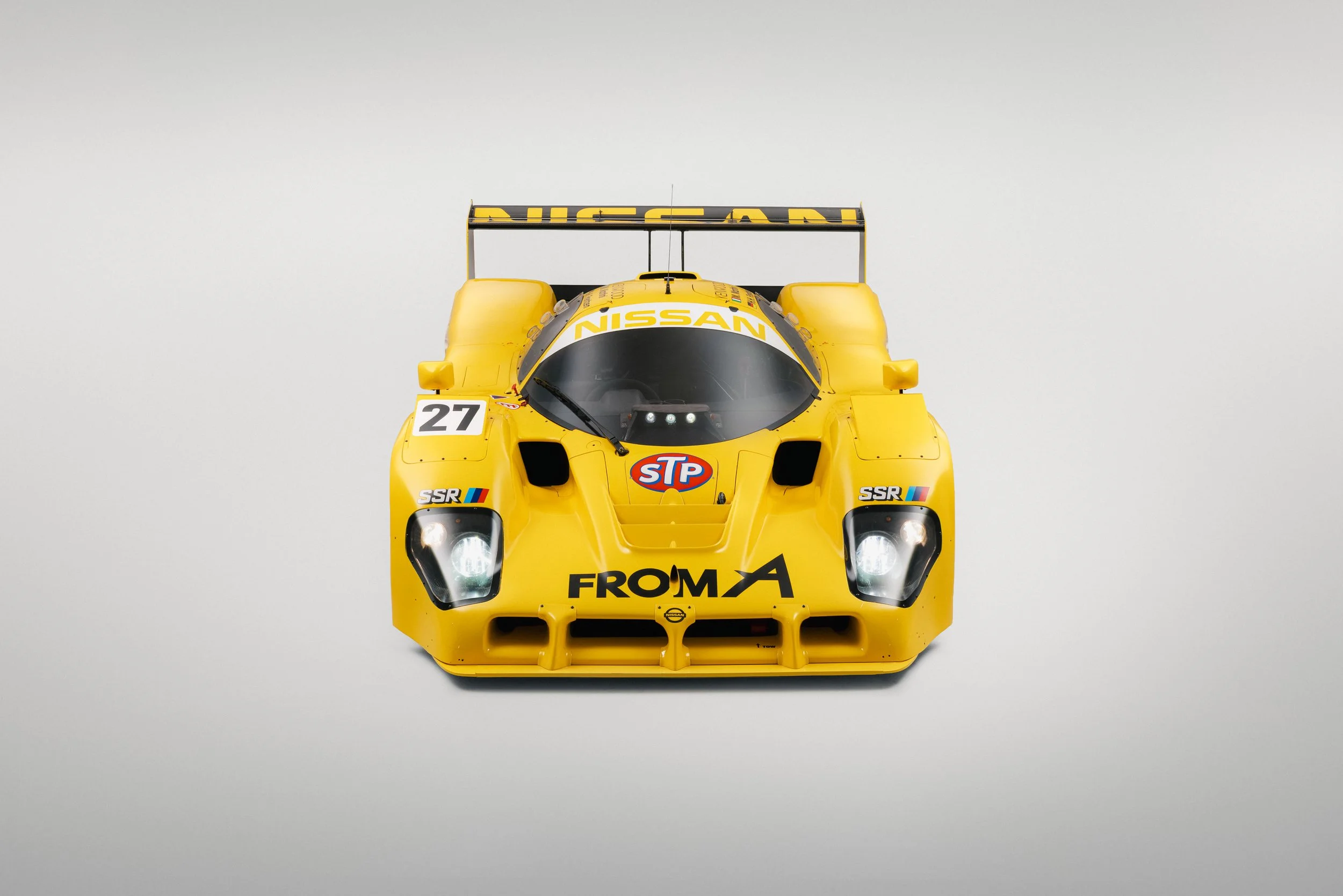
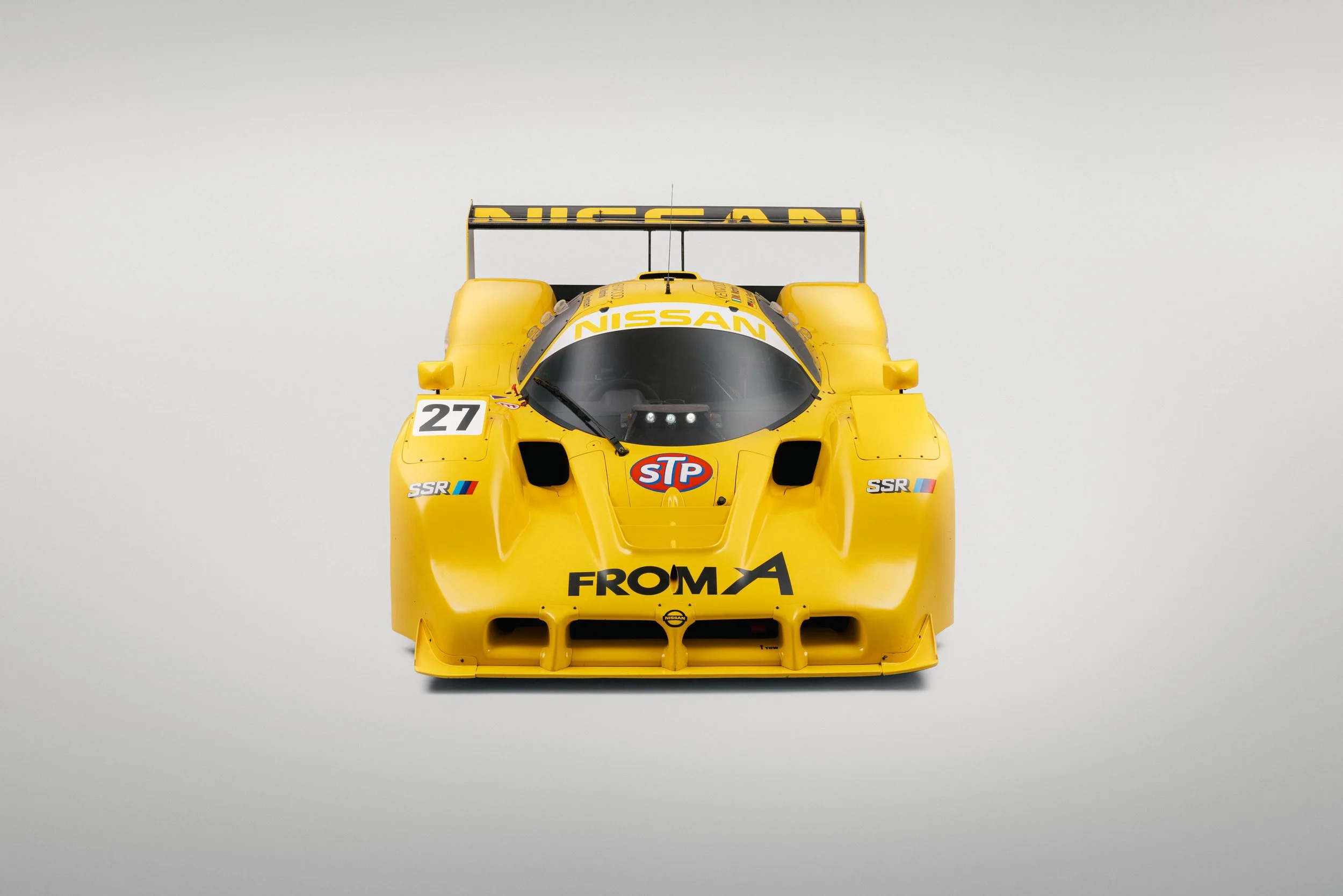
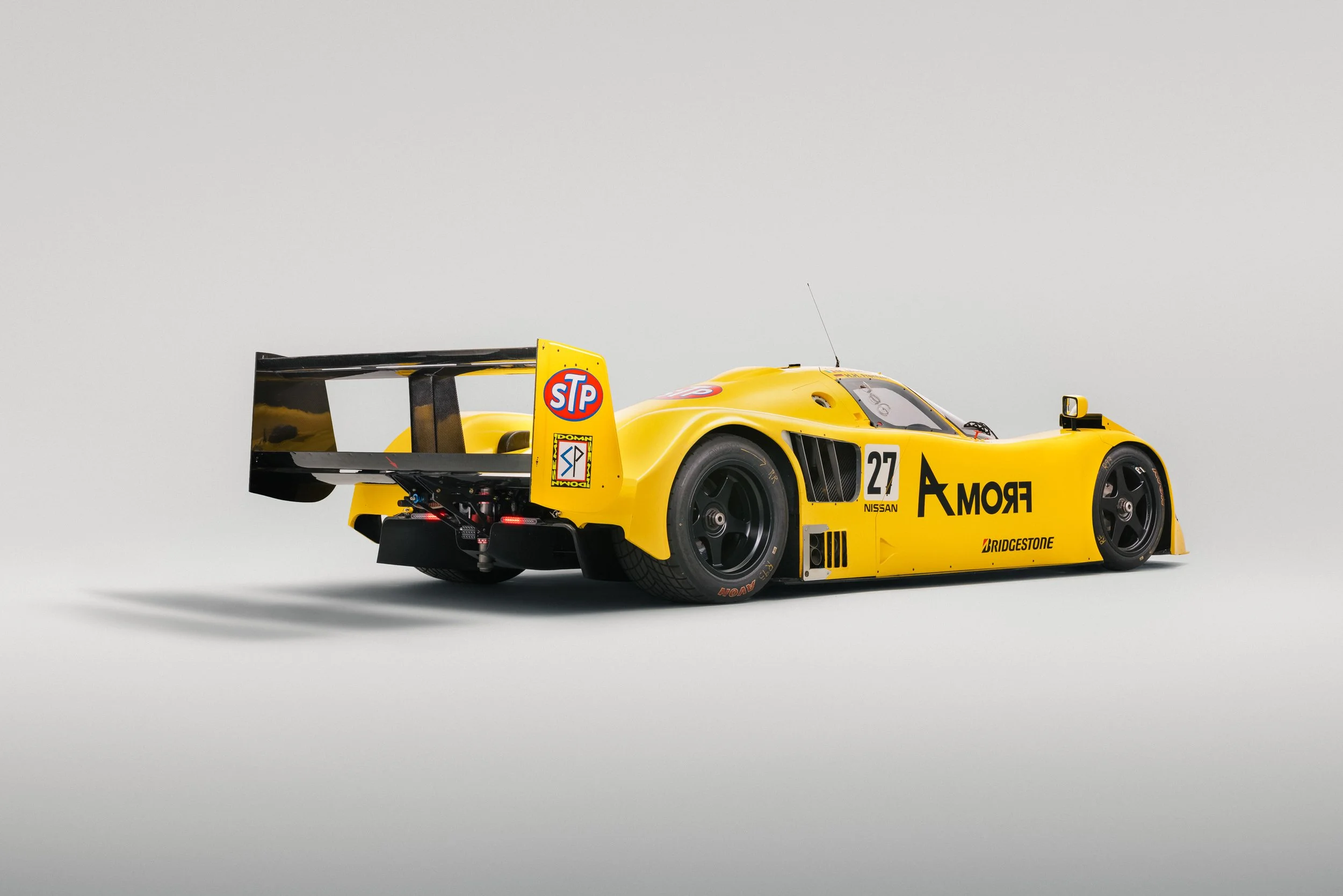
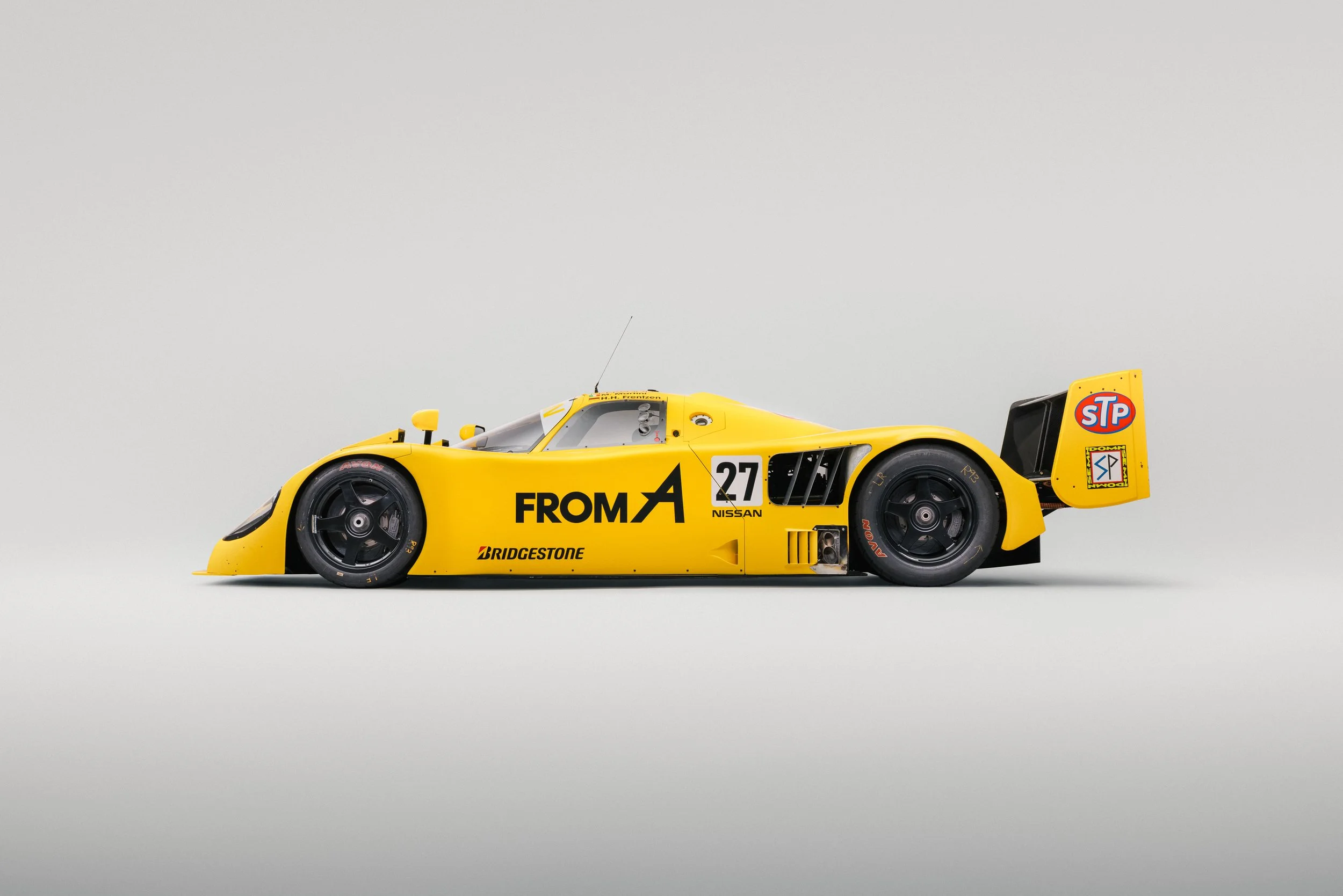
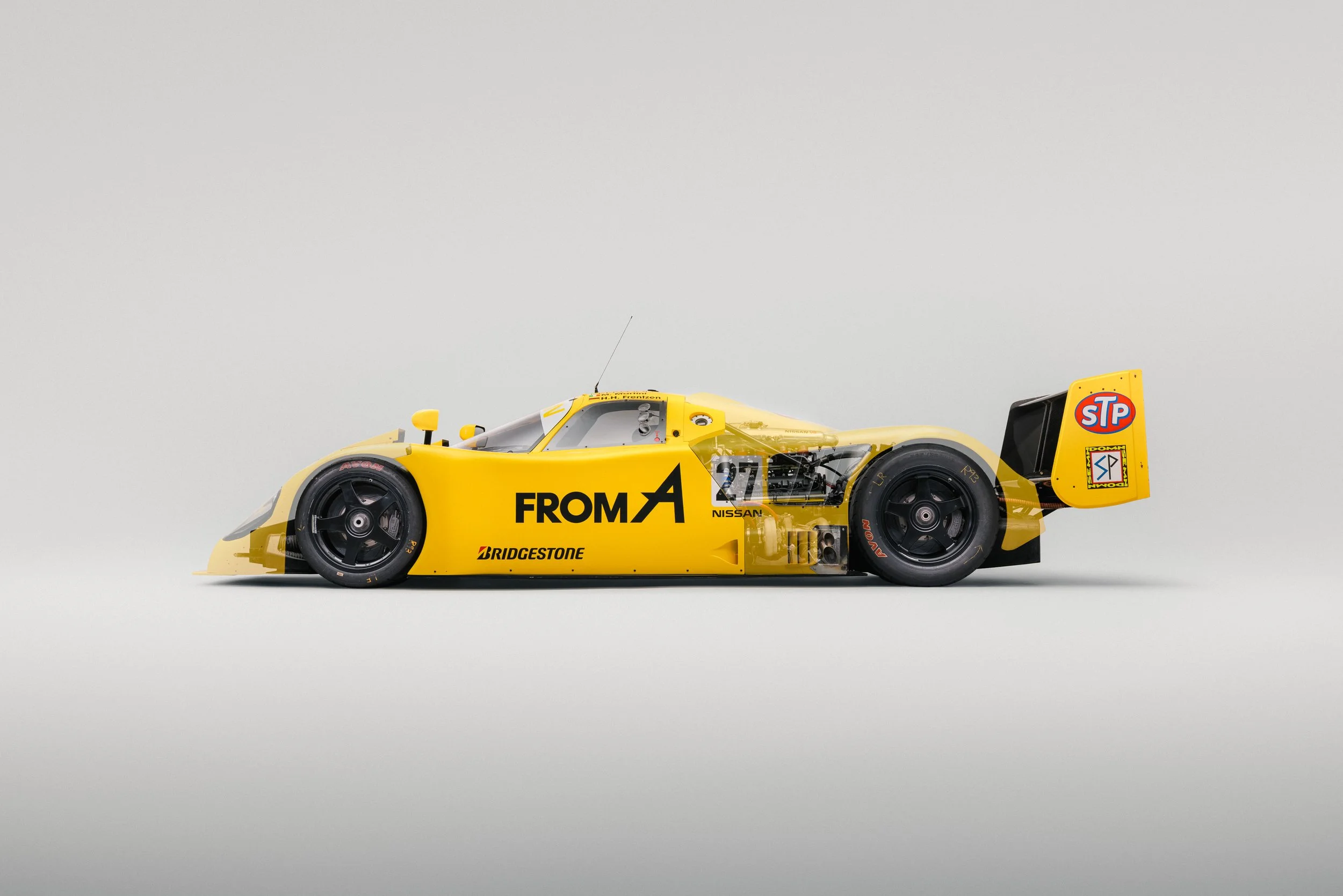
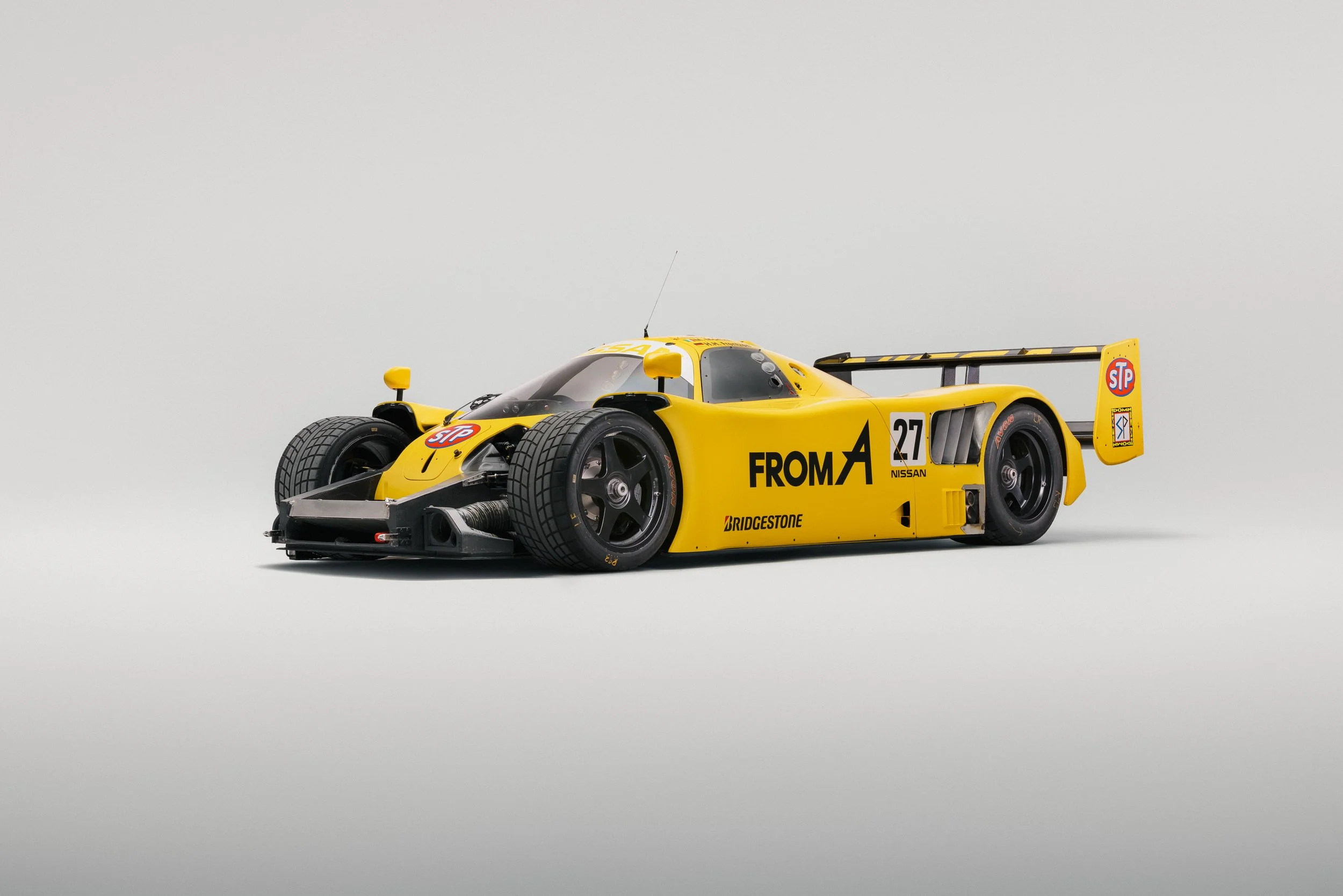
This R91CK is the final evolution of Nissan's most successful Group C car. A multiple podium finisher in period and a veteran of the Daytona 24 Hours, it ranks among the fastest Group C cars ever built, and is offered in spectacular condition together with a vast spares package.
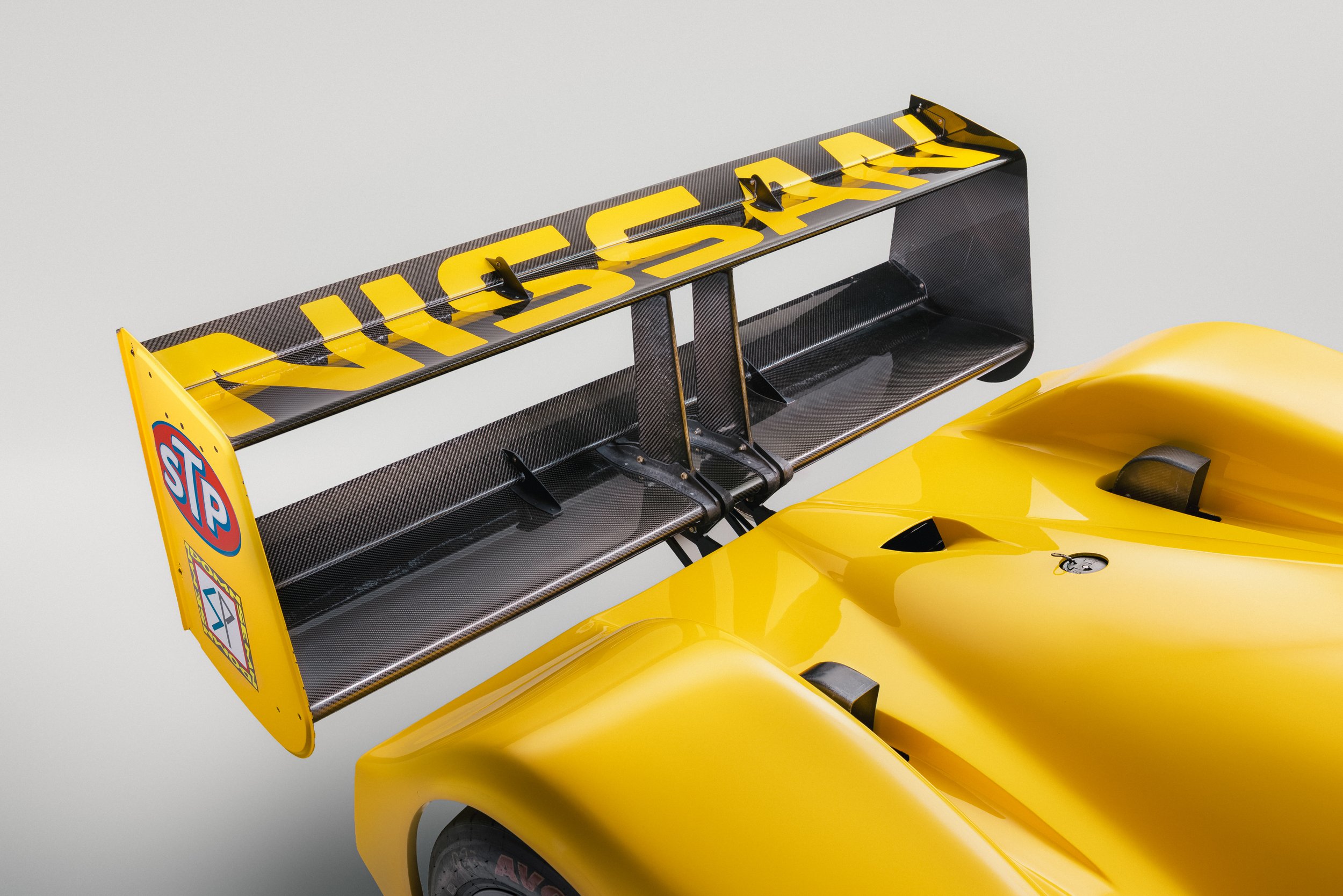
OverviewThe ultimate iteration of the Le Mans pole-winning Nissan R90CK
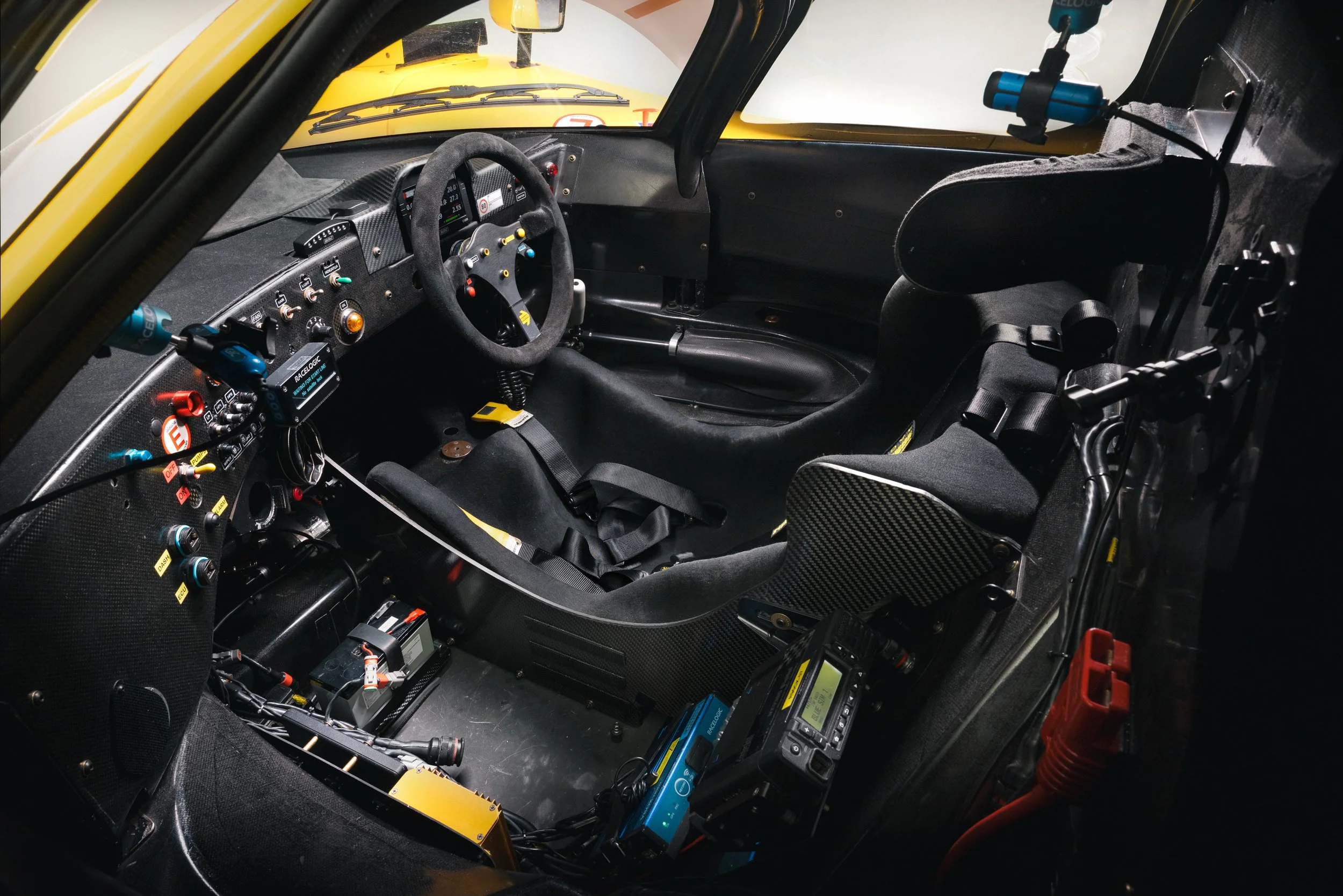
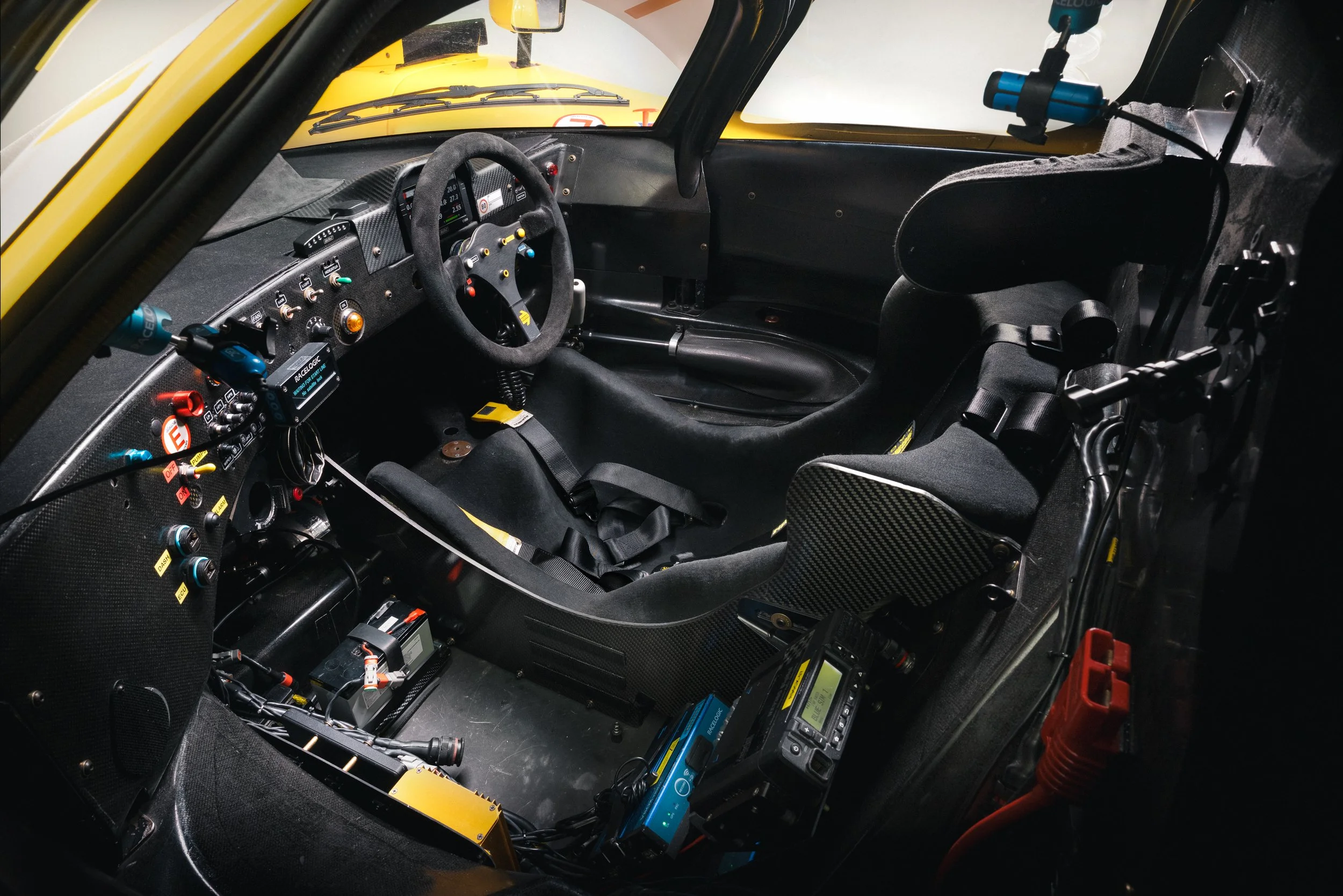
Carbon-fibre monocoque by Lola
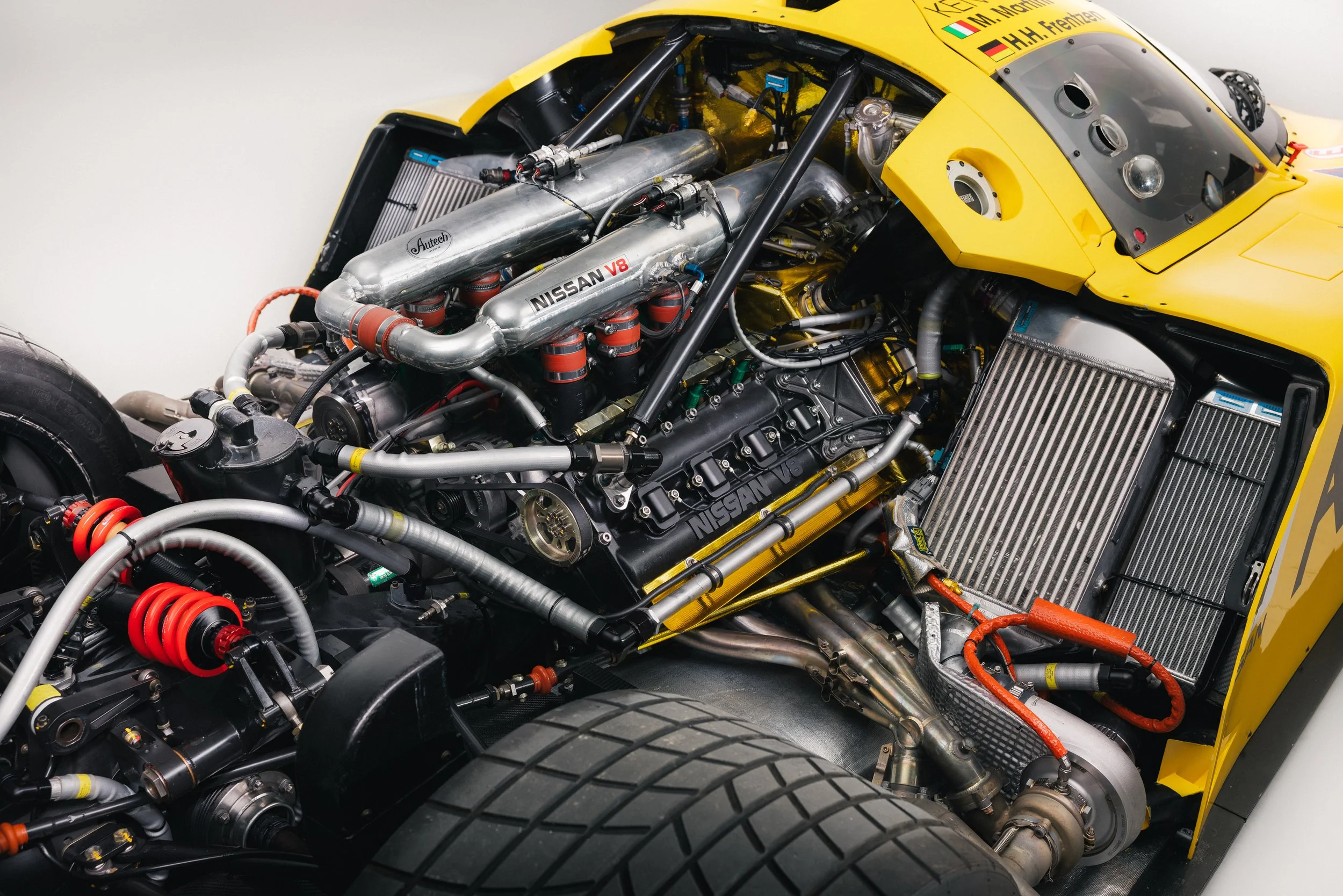
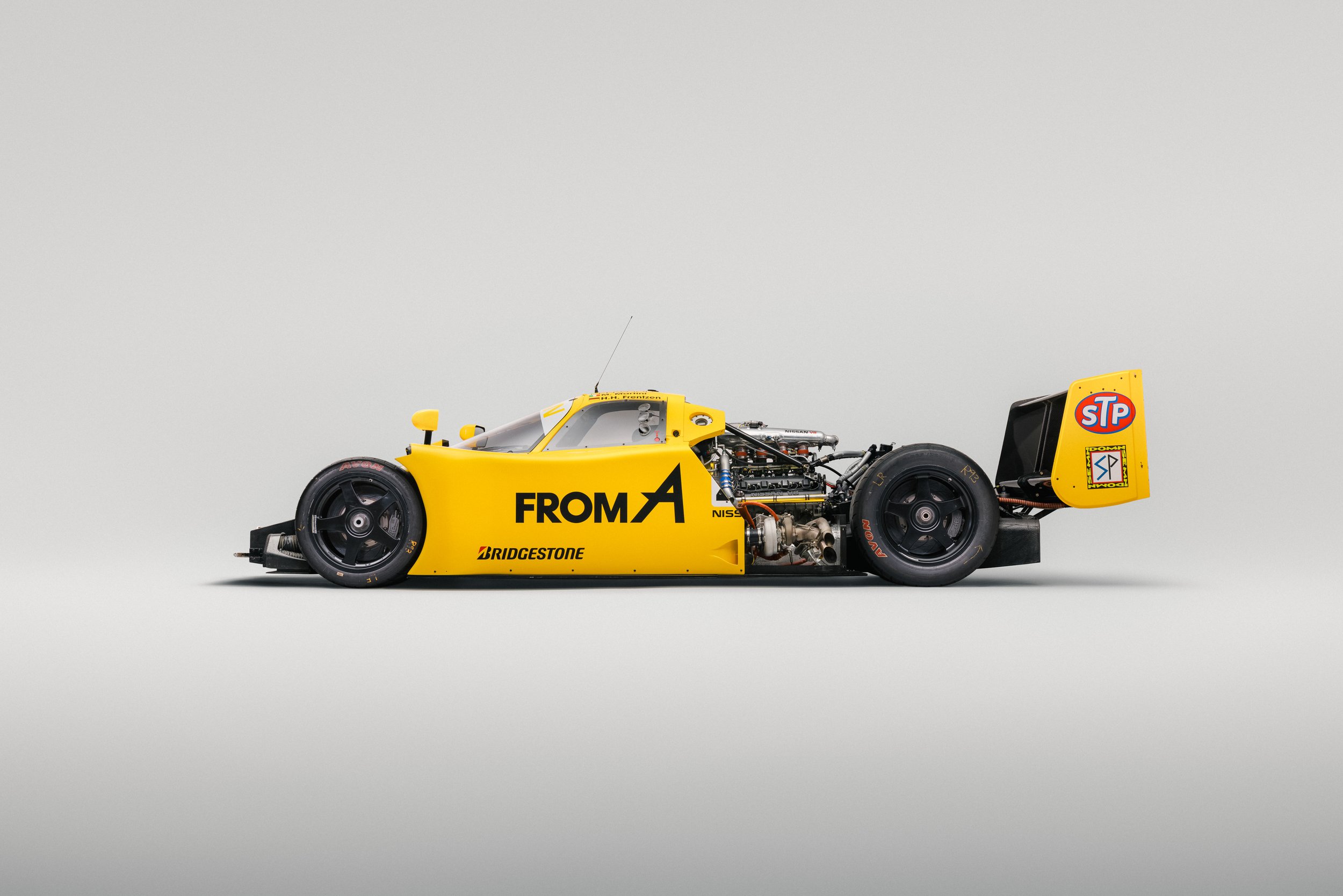
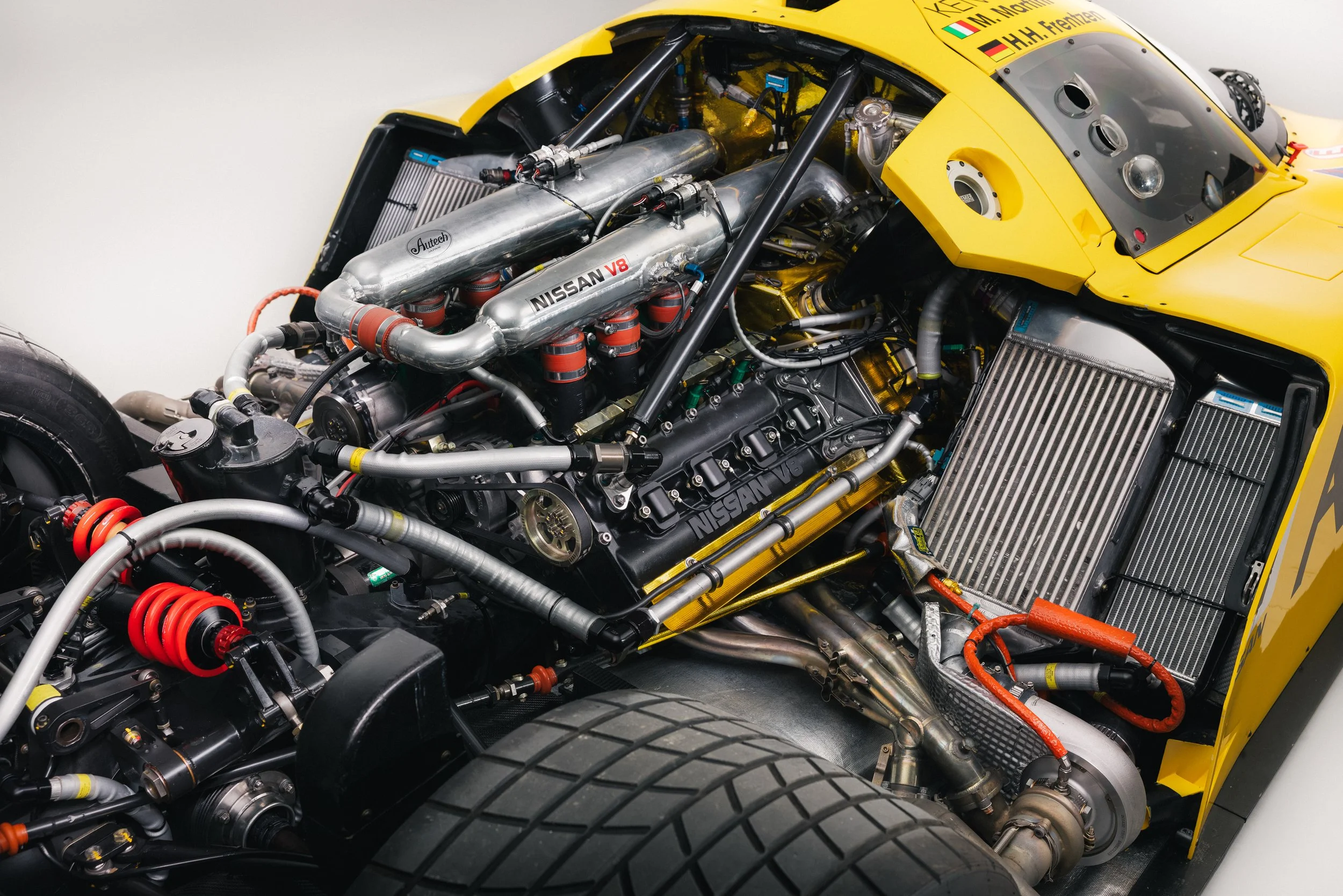
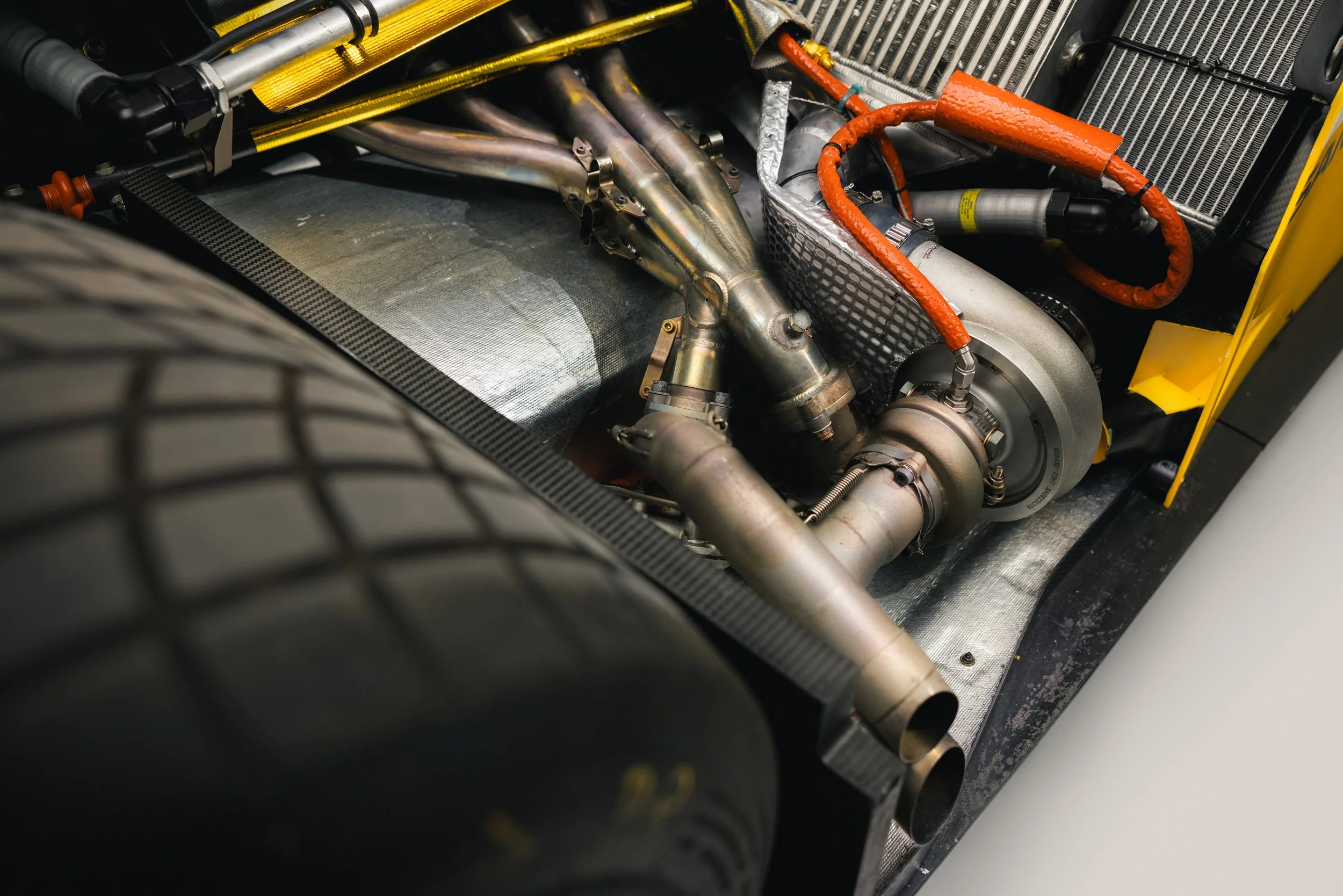
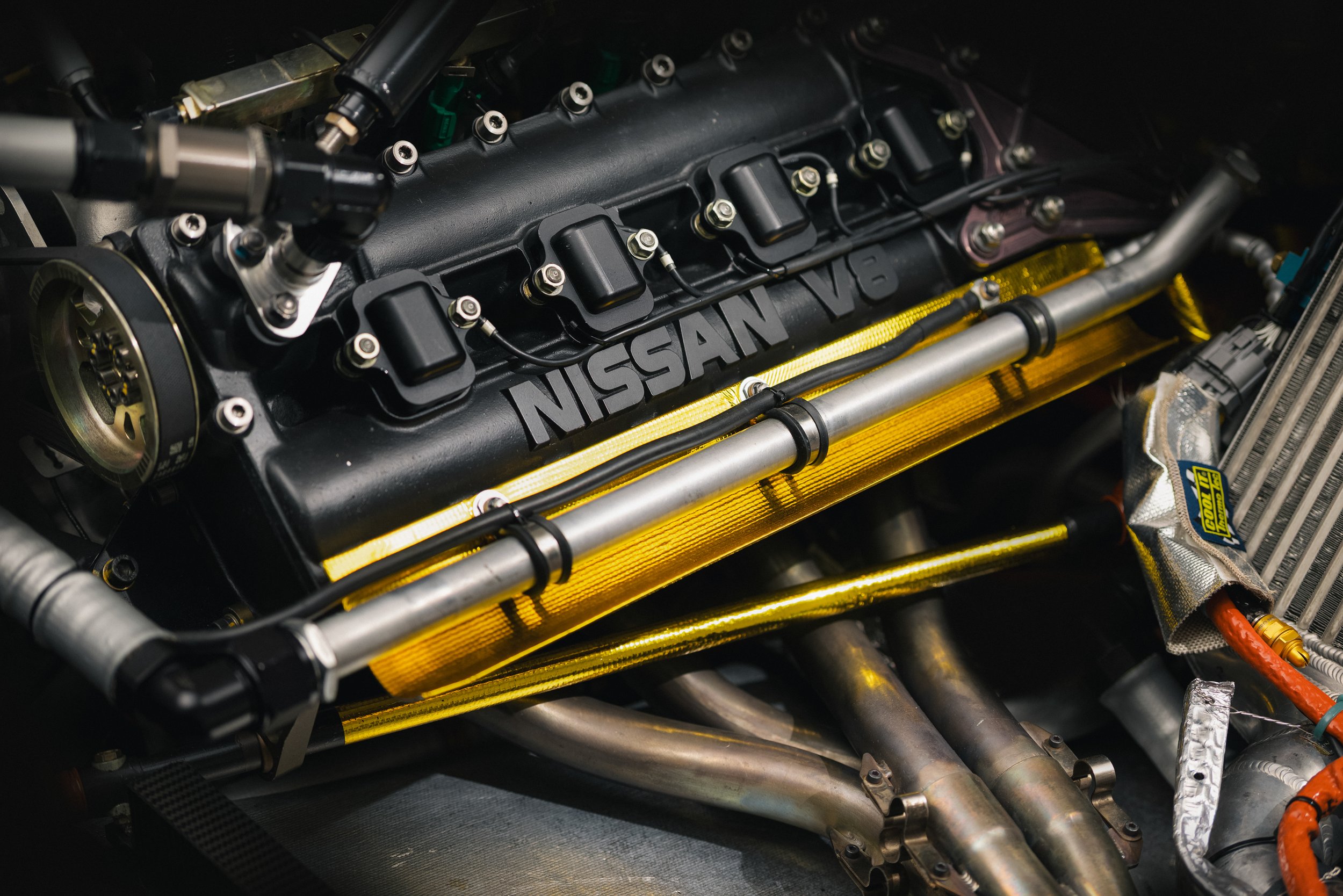
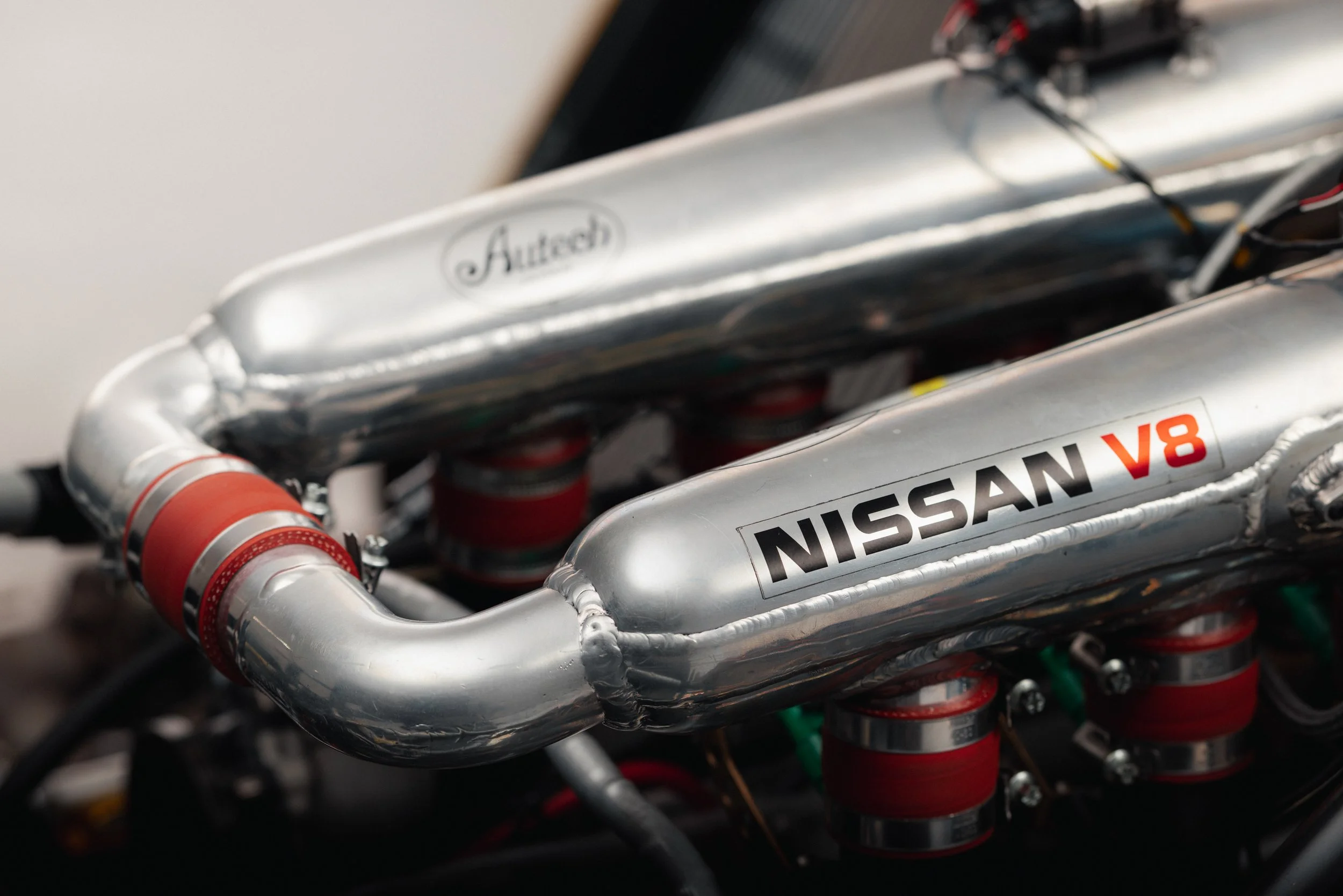
3.5-litre, twin-turbo V8, producing in the region of 900bhp and 1,000 Nm of torque
A multiple podium finisher and pole sitter in period in the All Japan Sports Prototype Championship between 1991 and 1993
Competitor in the 1992 24 Hours of Daytona, finishing eighth overall
Raced by multiple grand prix winner Heinz-Harald Frentzen and Le Mans winner Volker Weidler
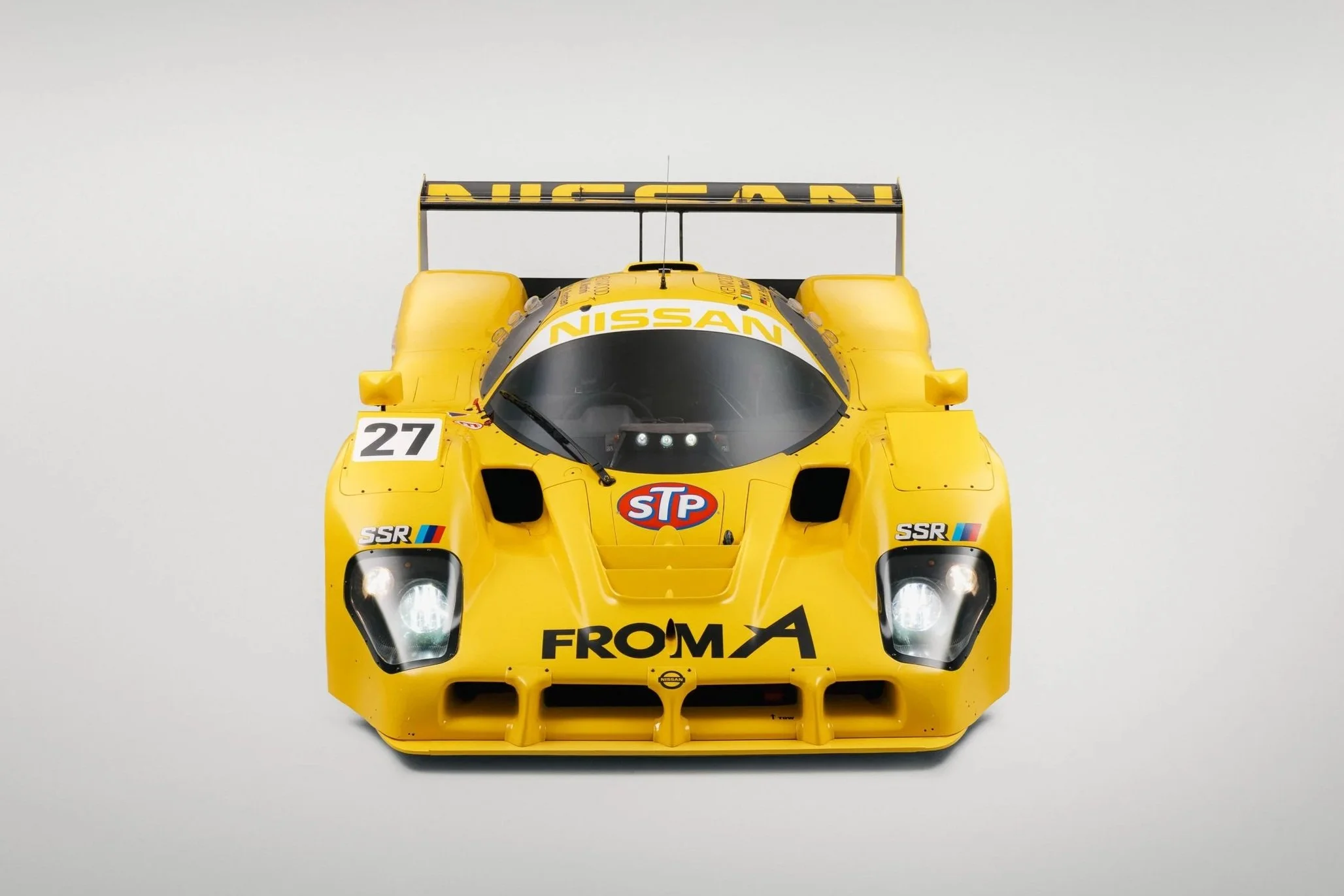
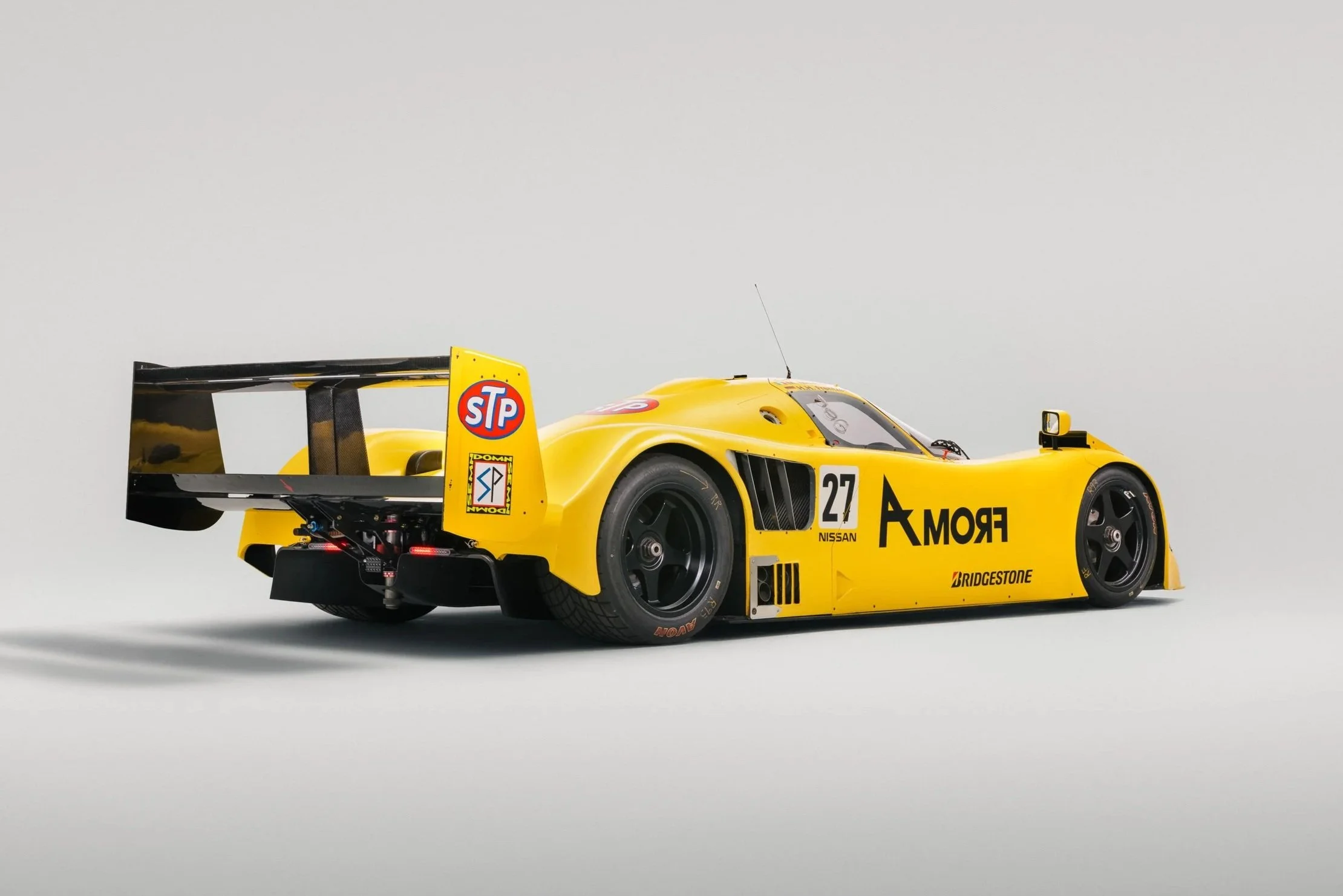
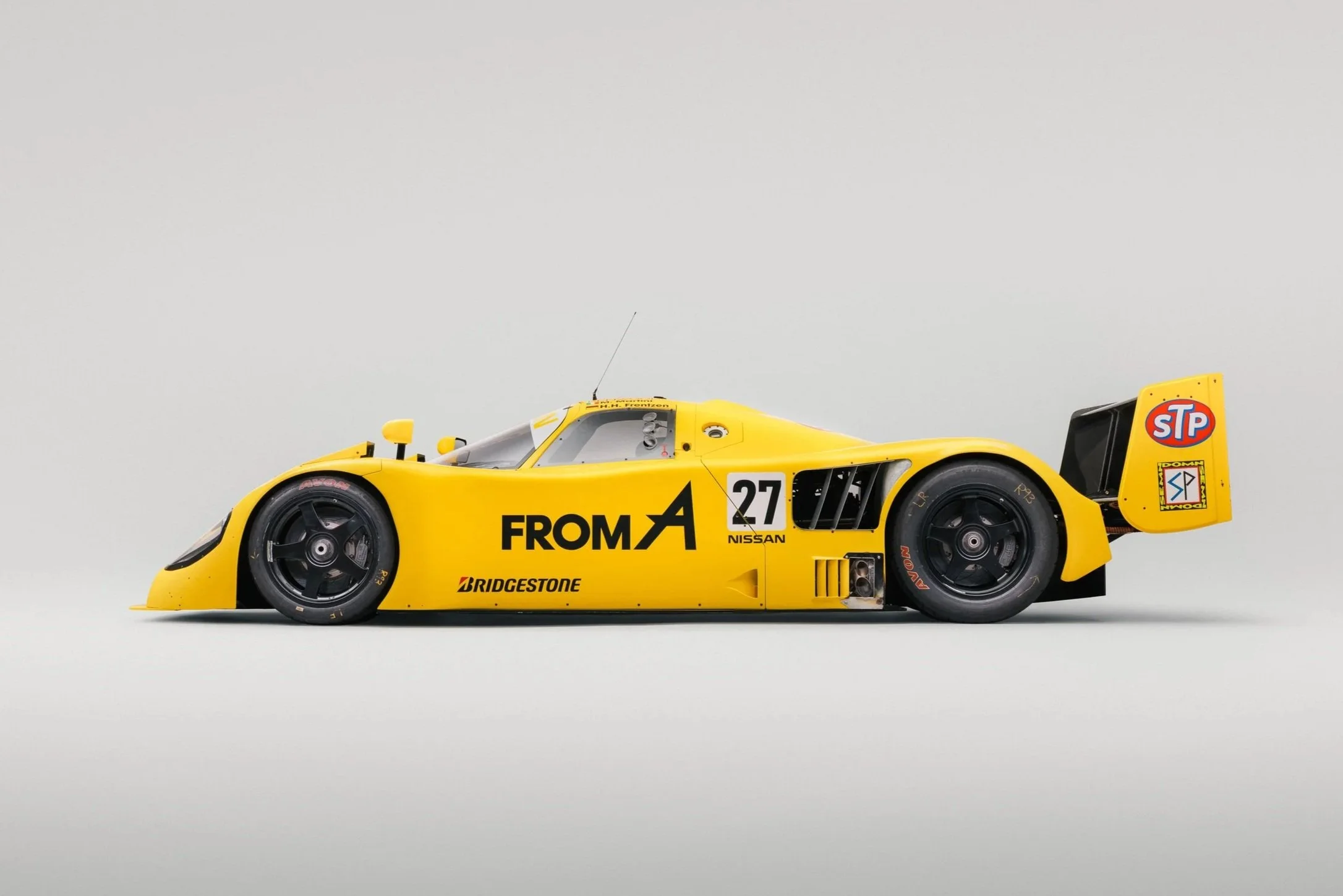
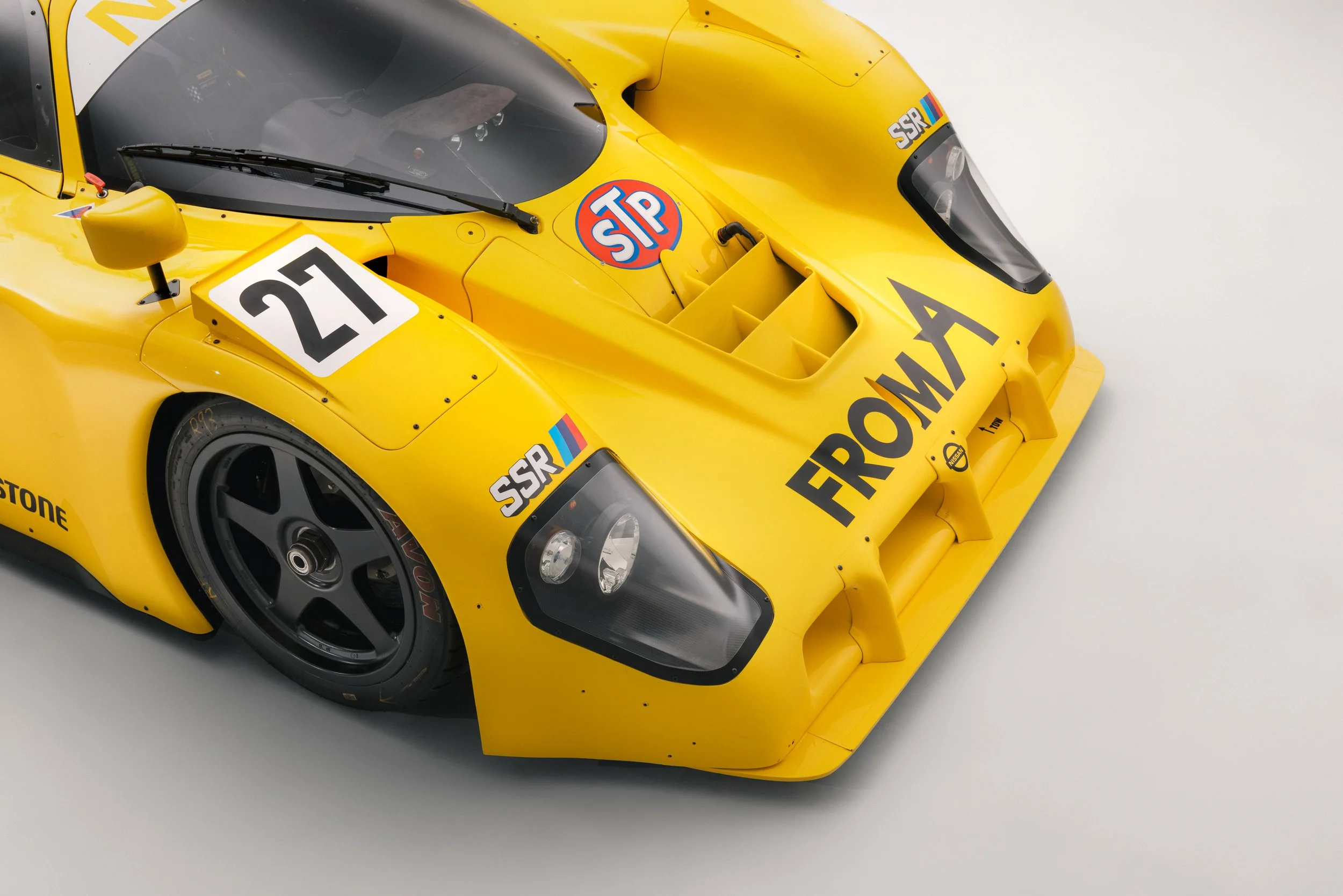
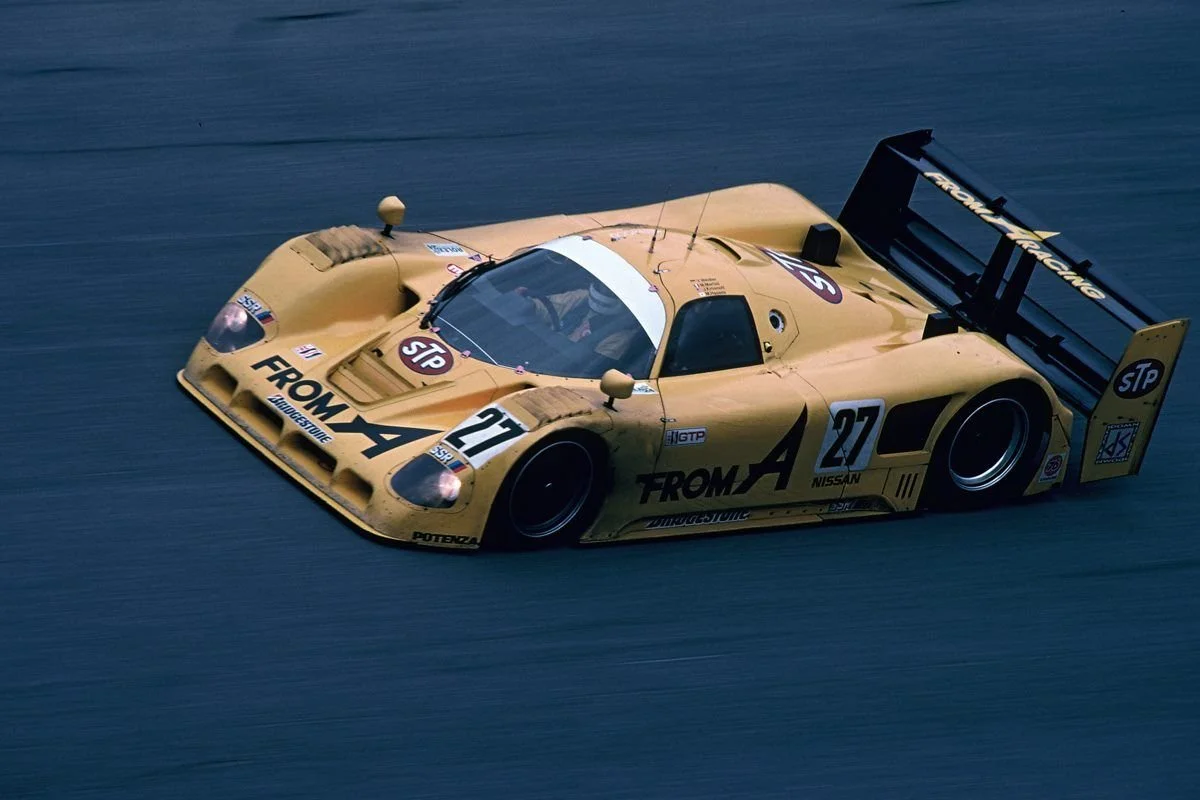
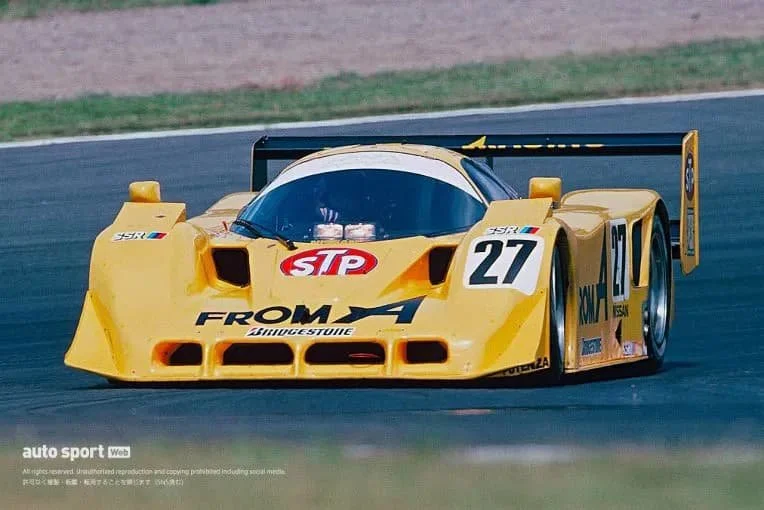
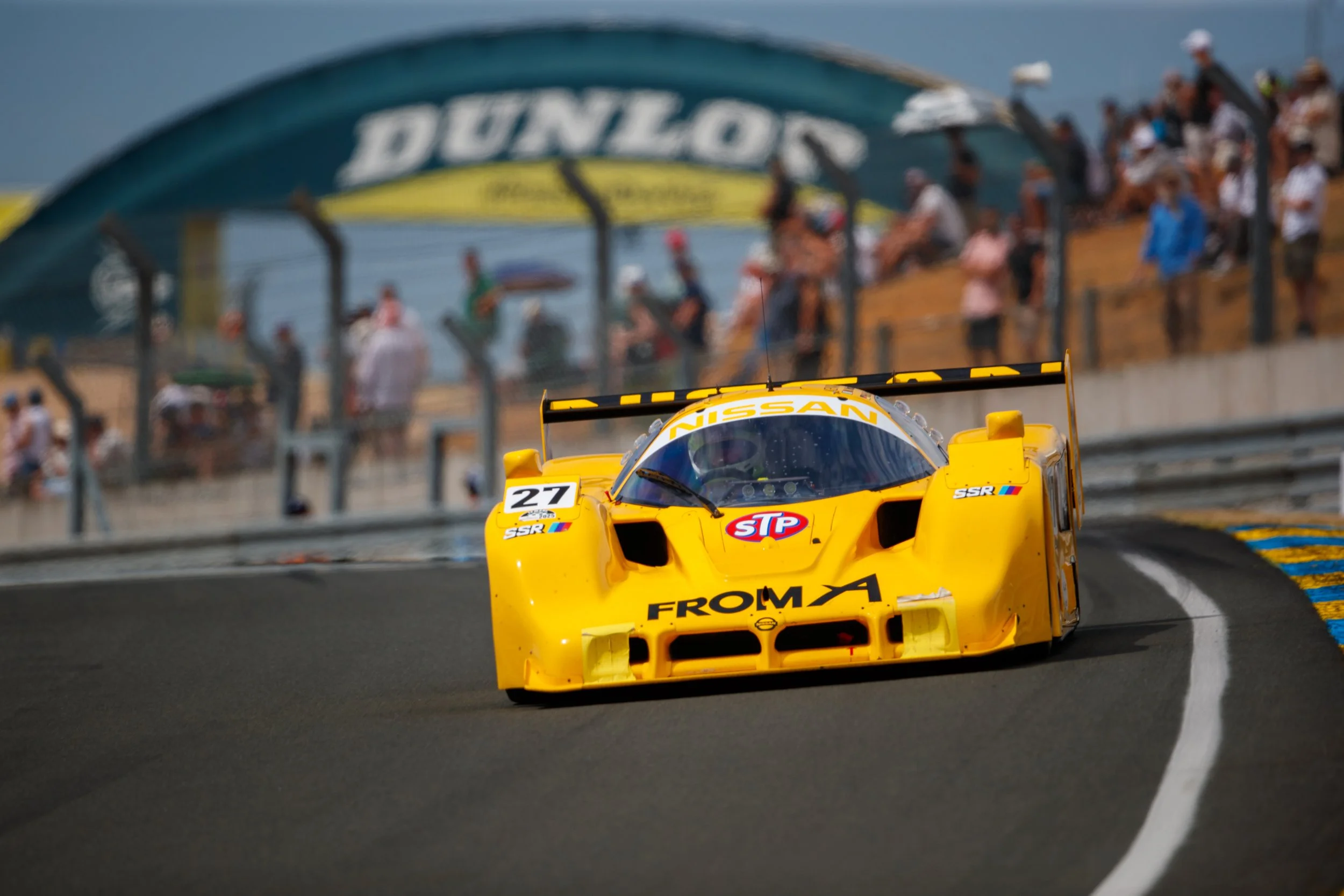
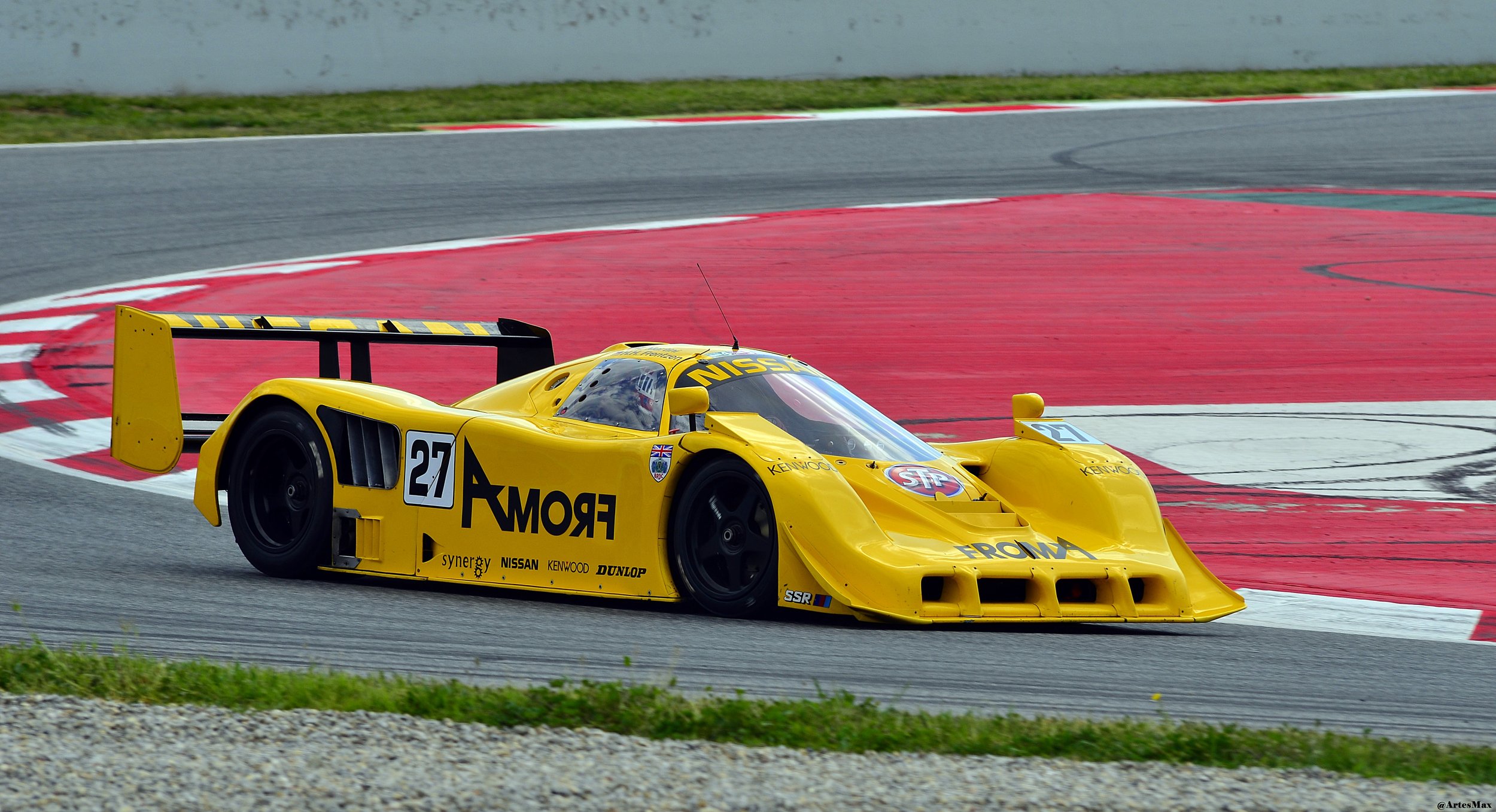
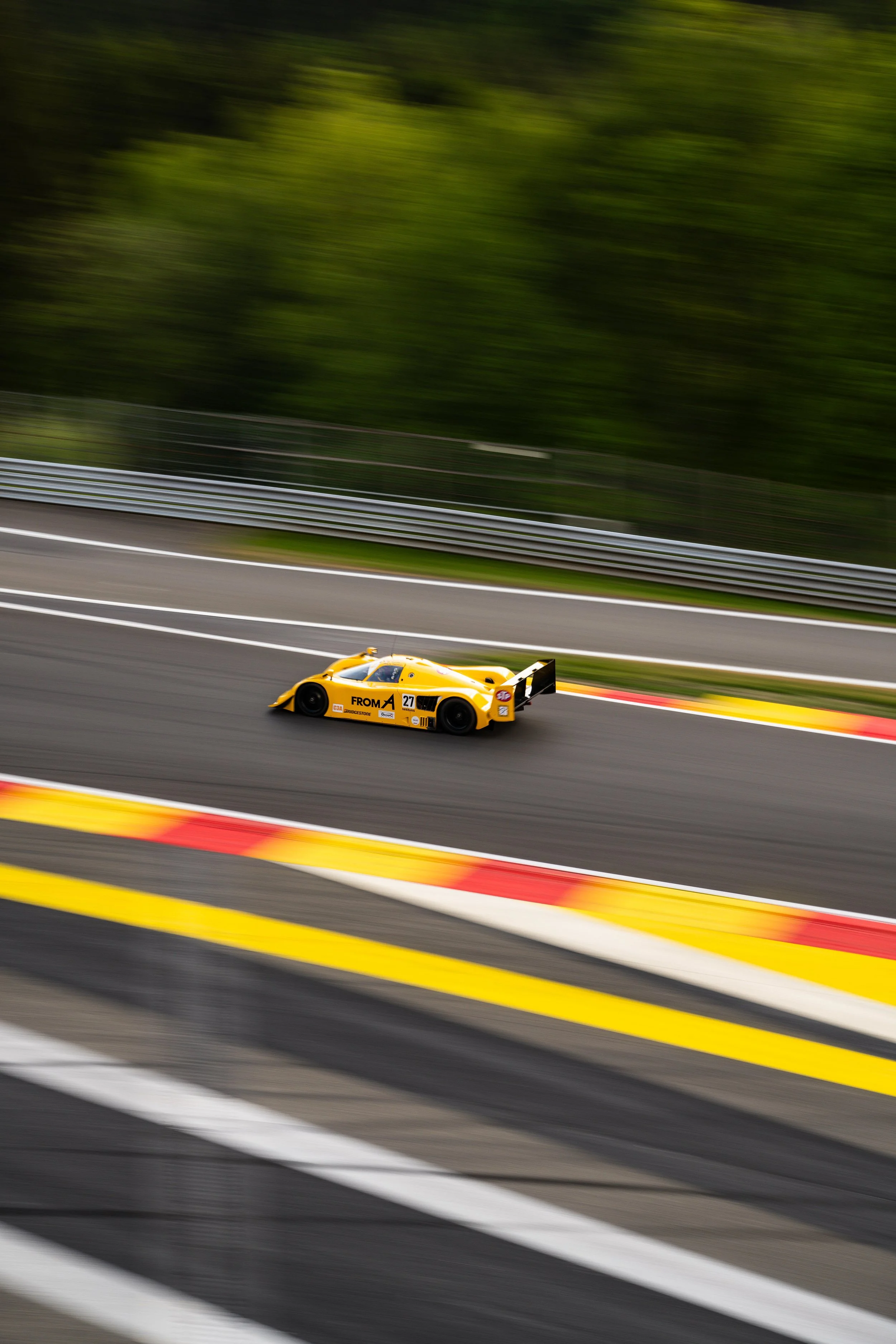
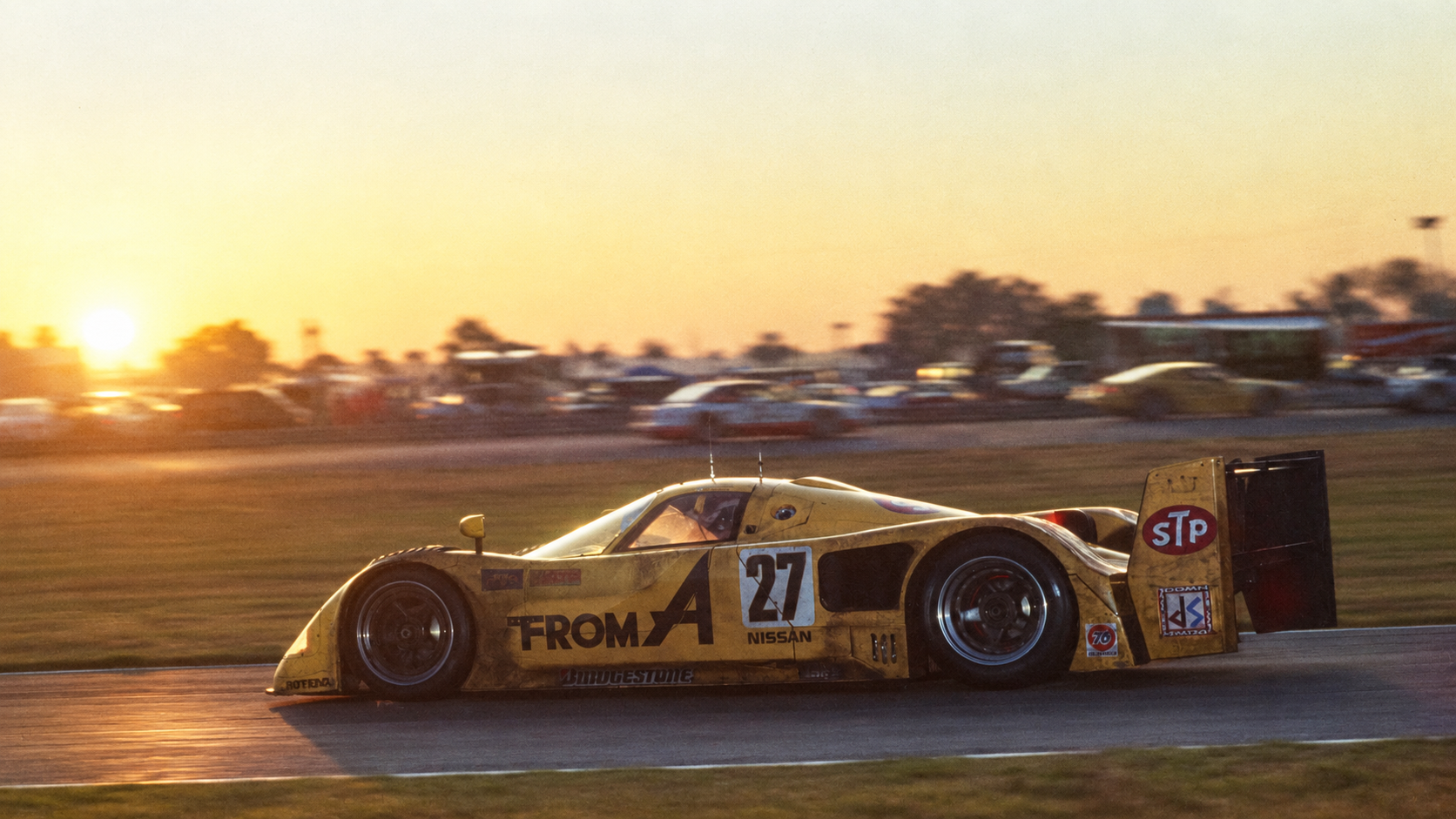
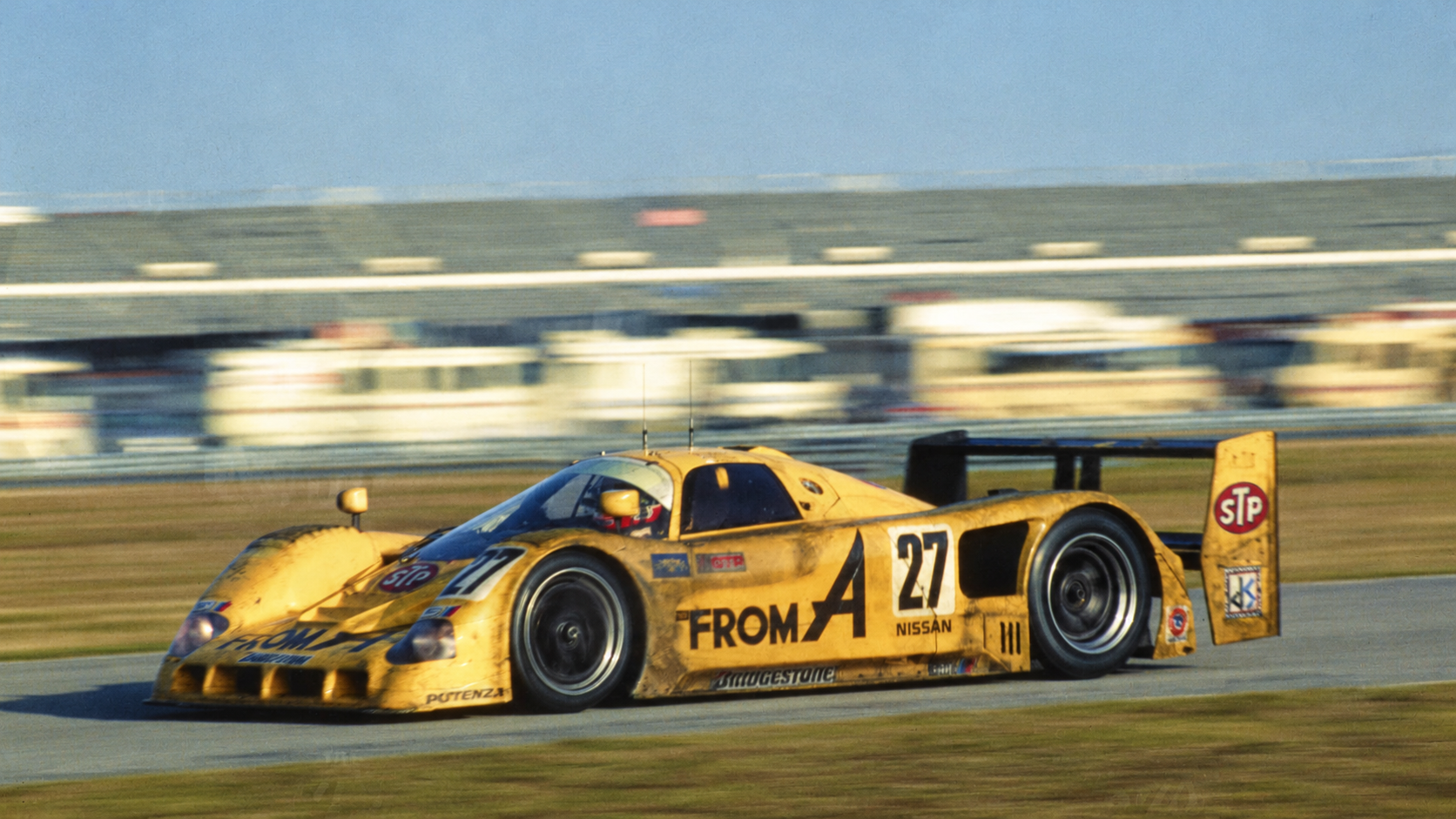
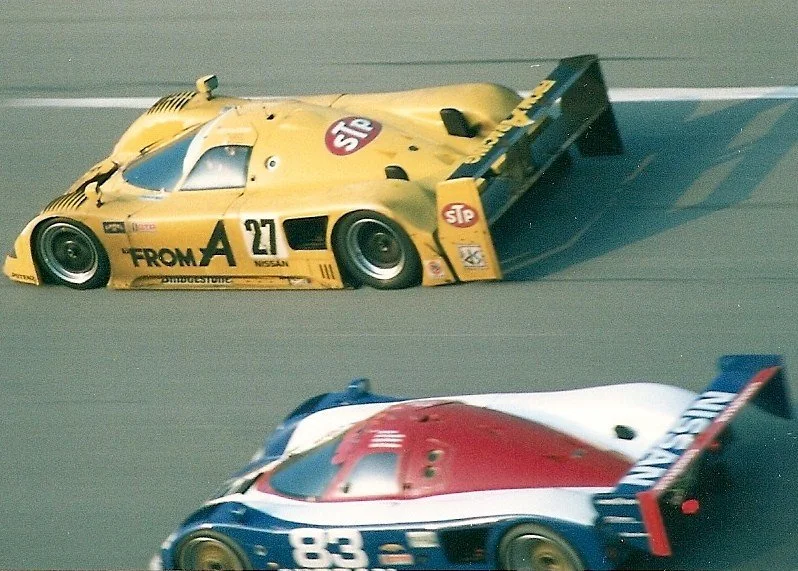
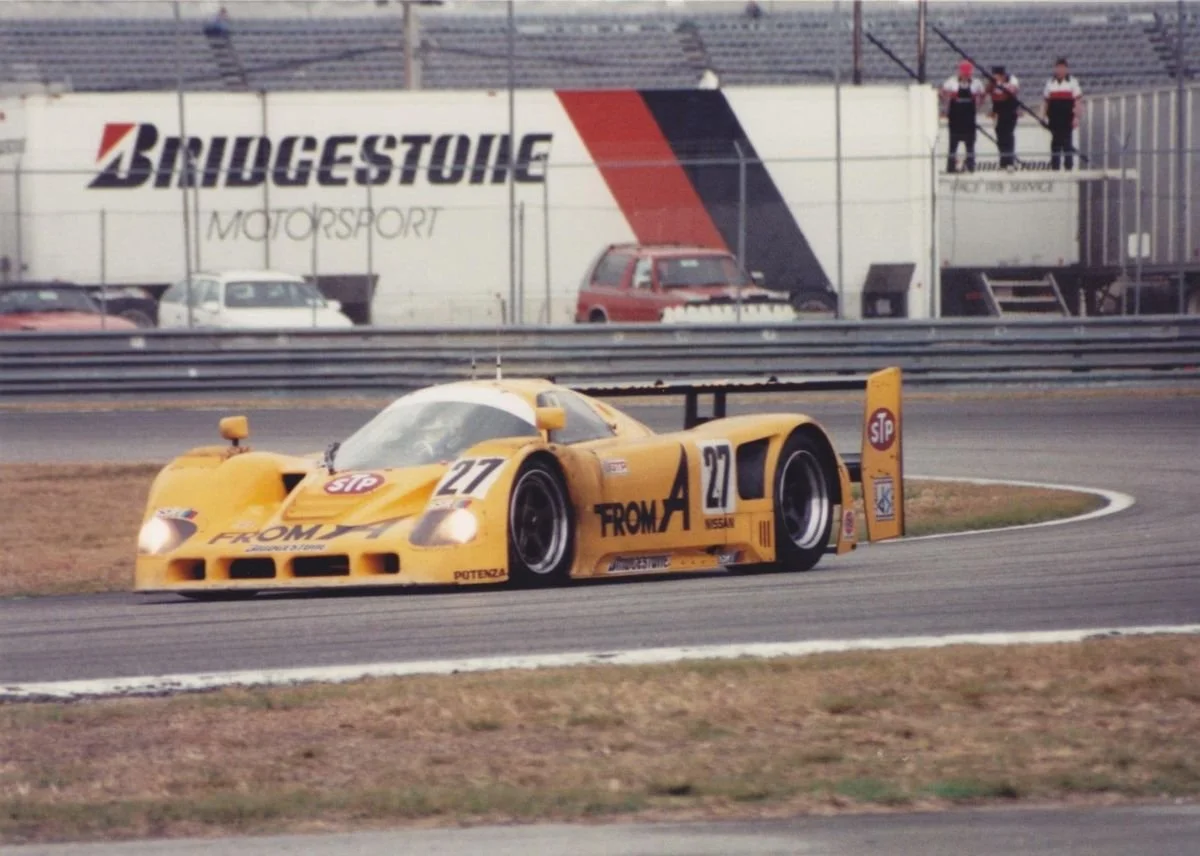
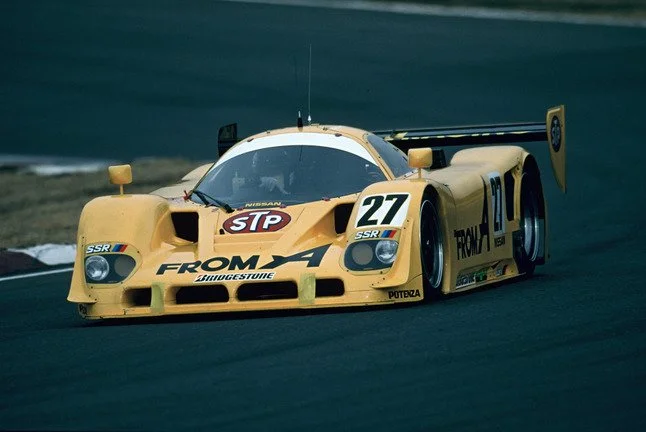
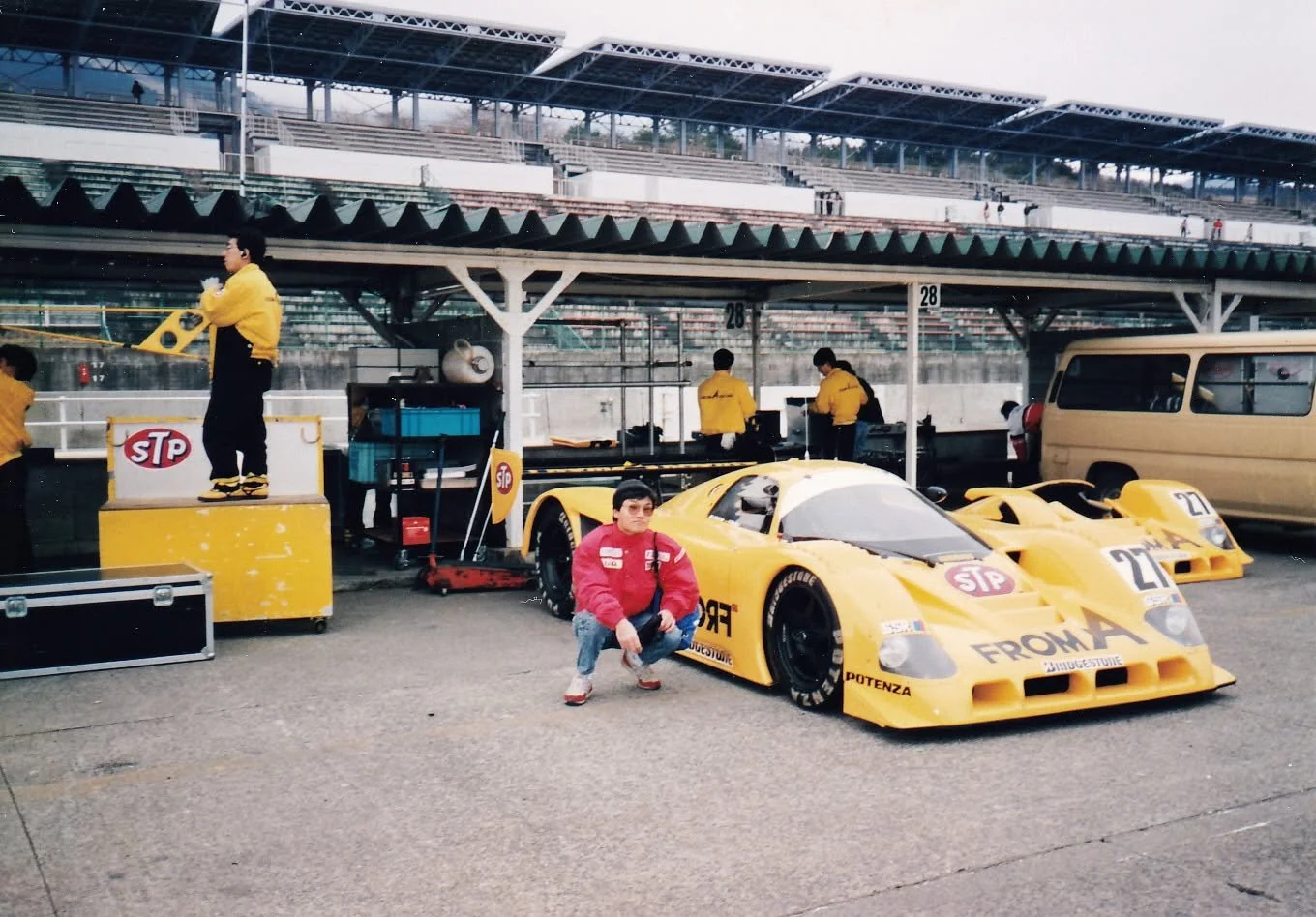
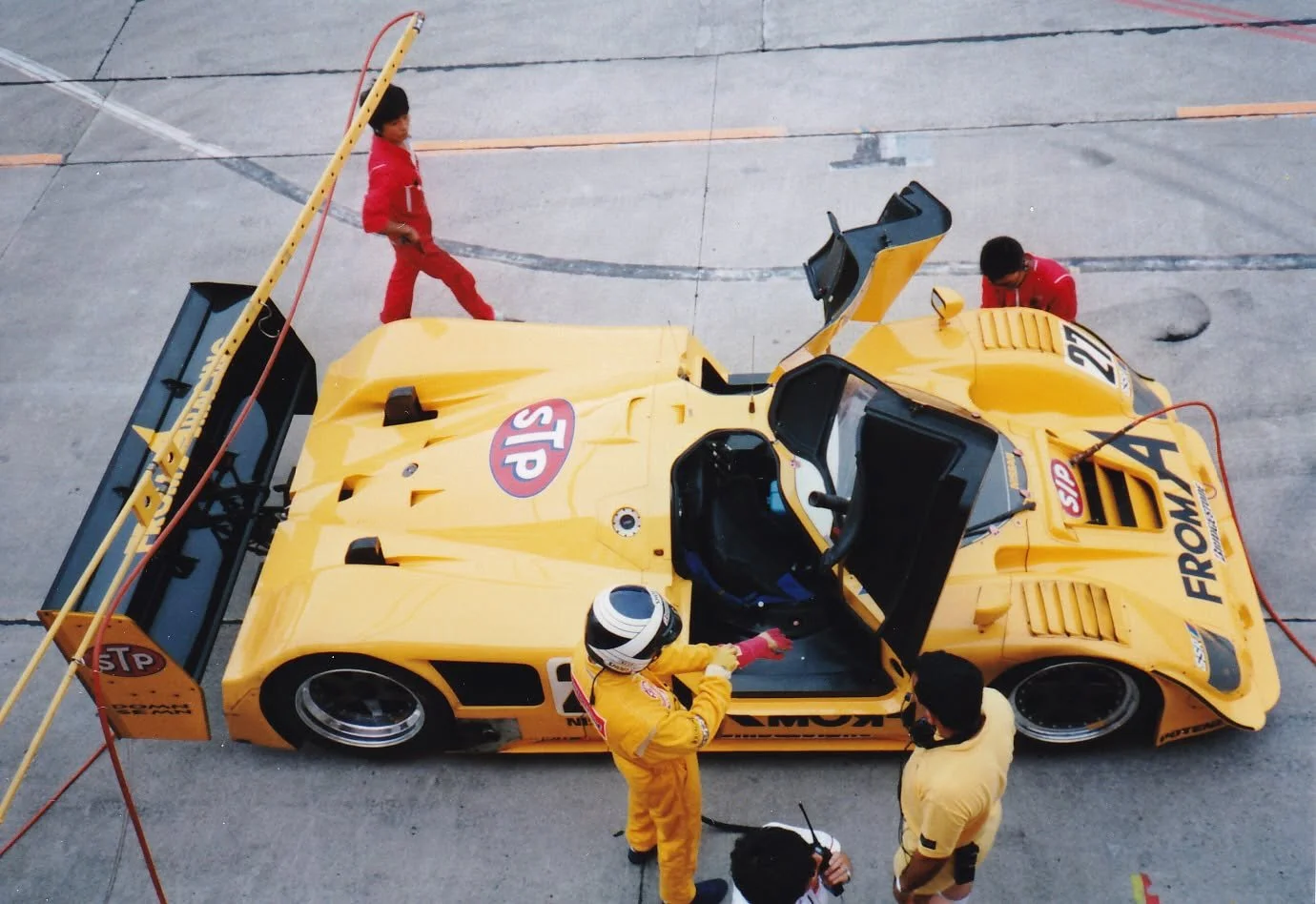
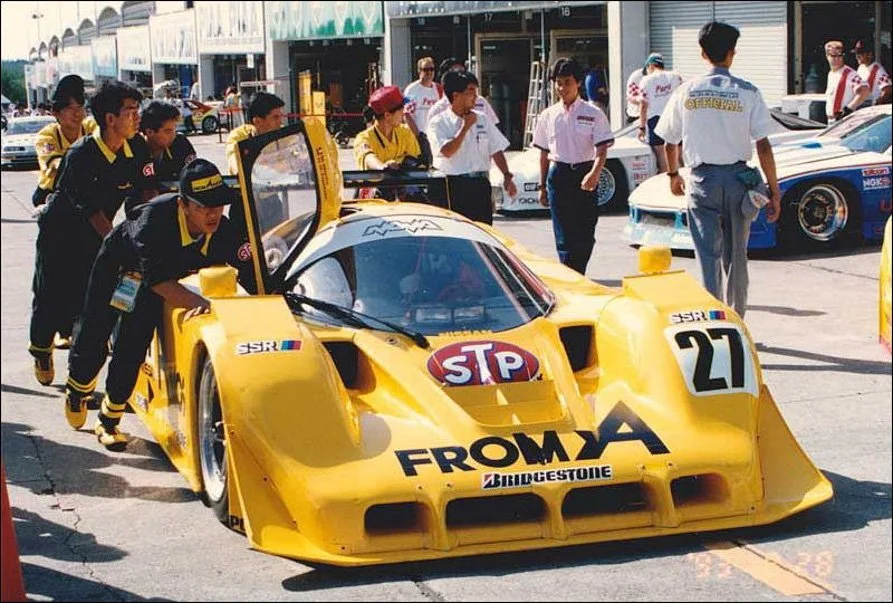
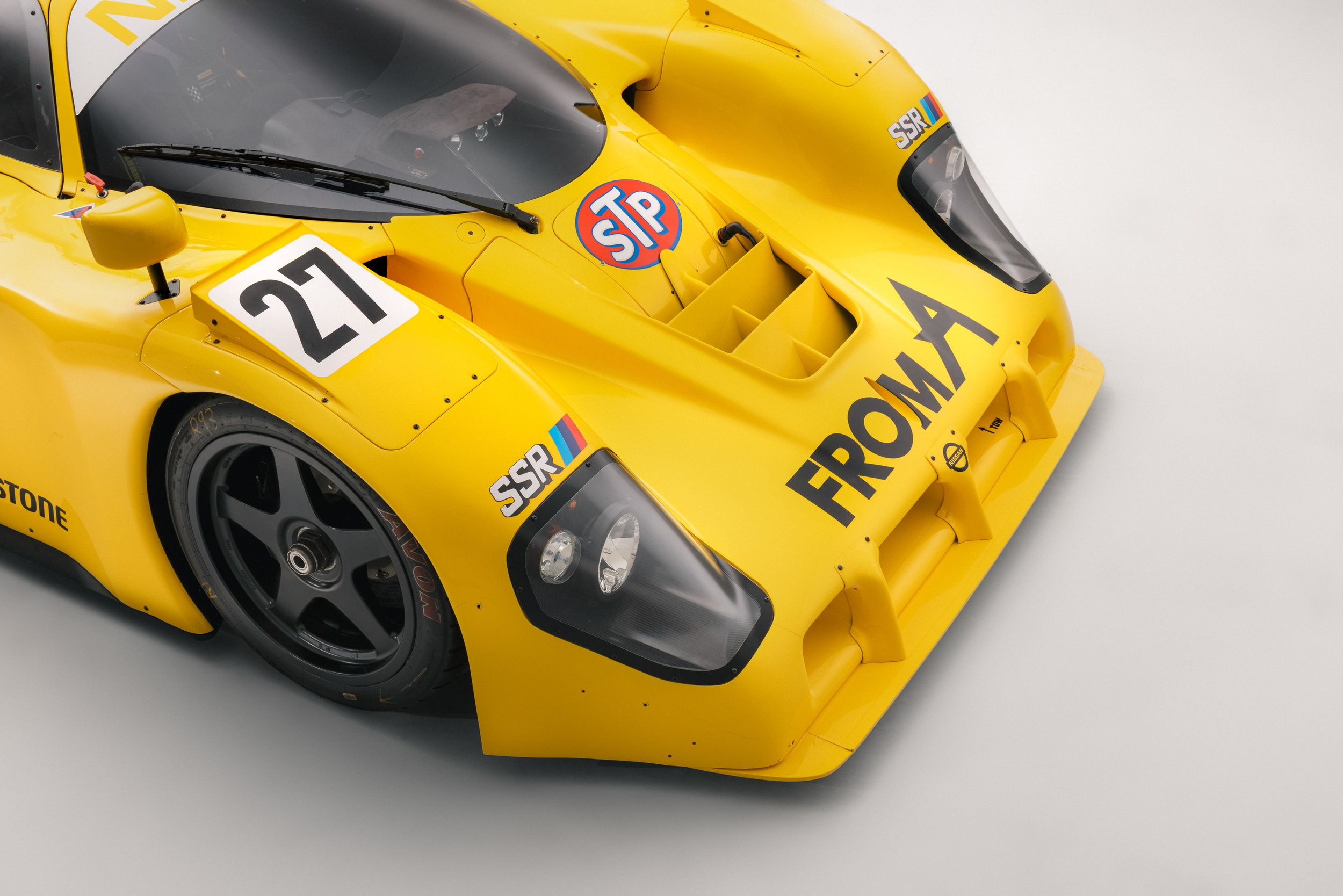
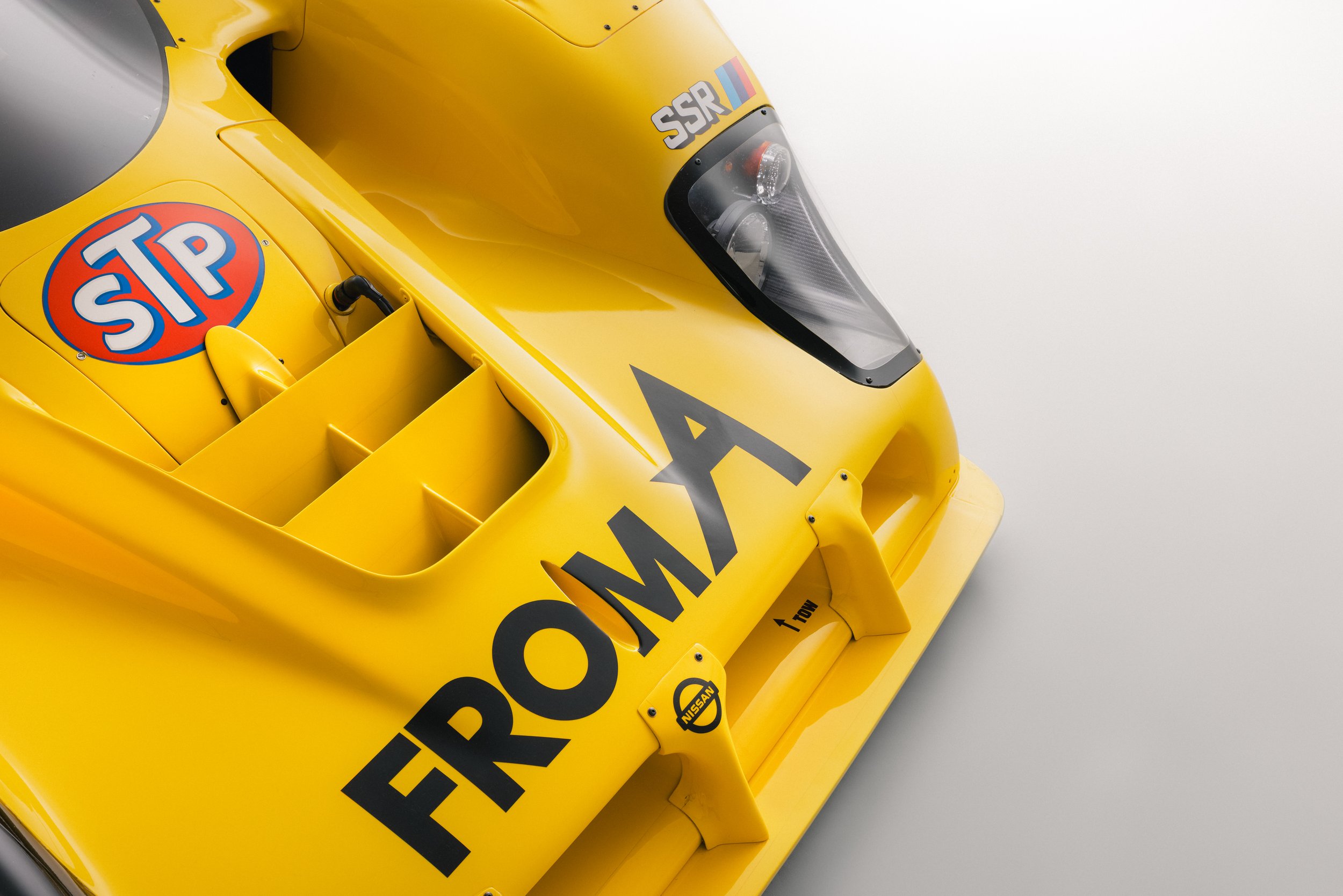
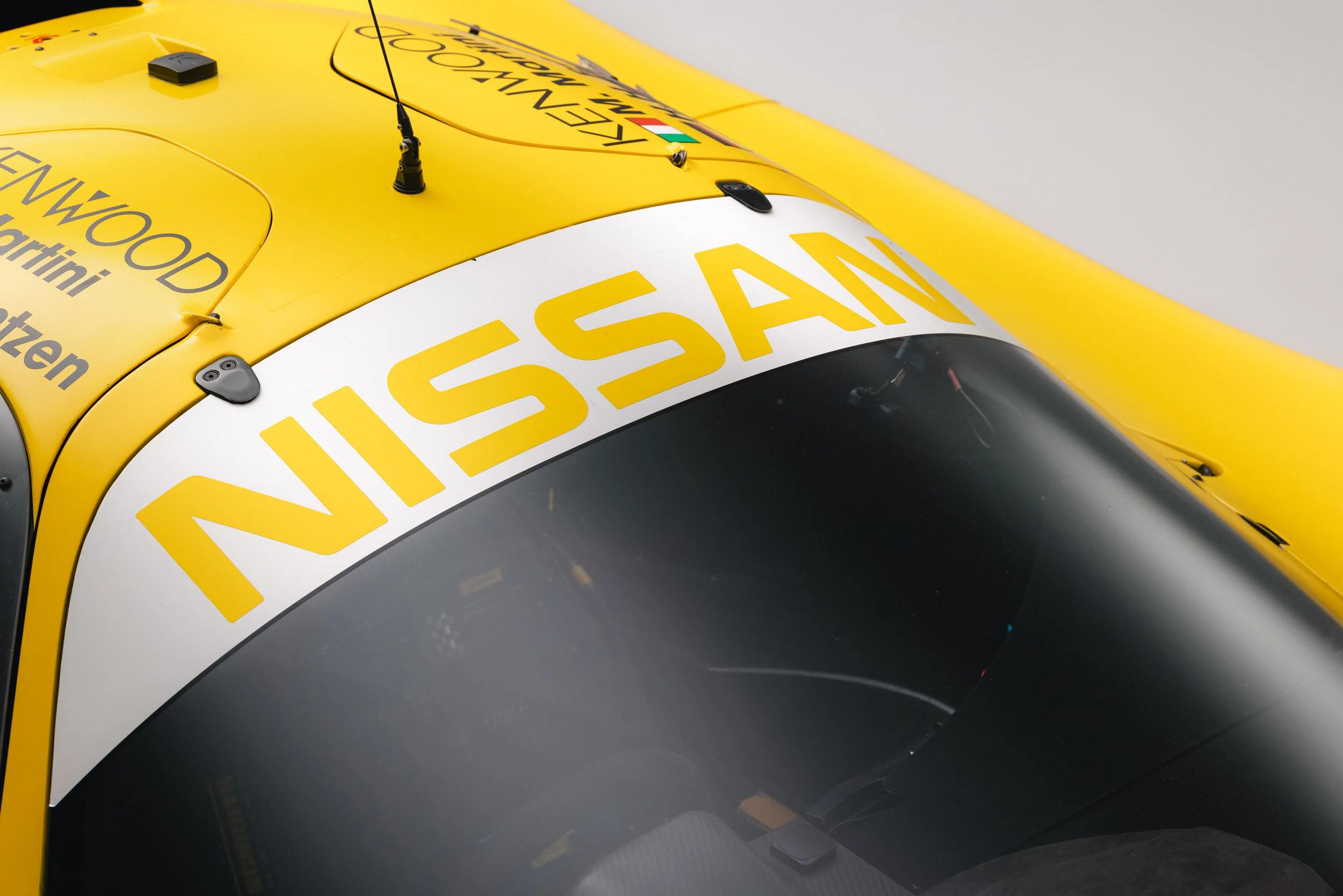
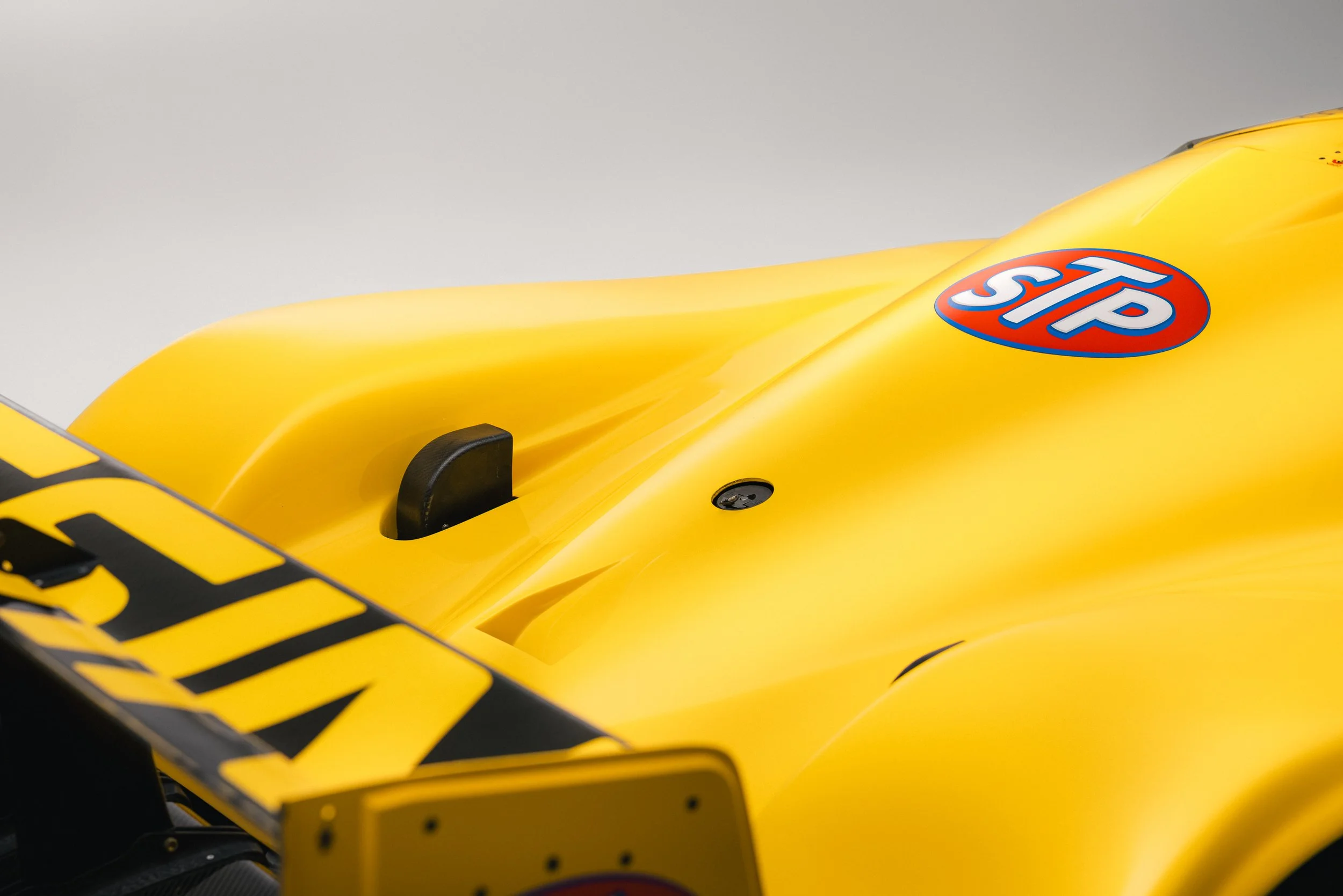
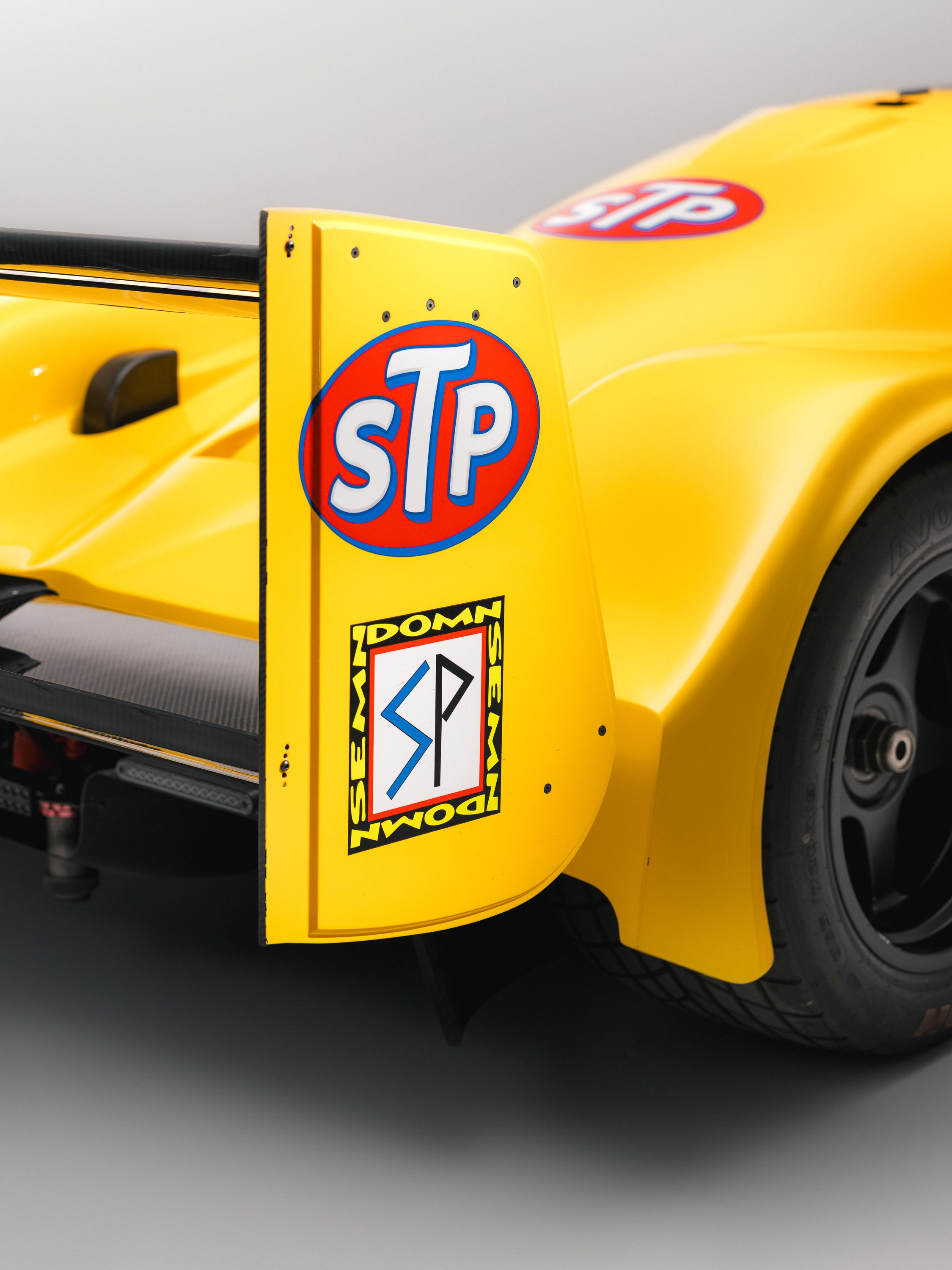
Presented in striking, period-correct ‘From A’ livery
Multiple pole positions and race wins in Historic Group C racing since the early 2000s, ahead of cars such as the Sauber C11 and Porsche 962C
Fully overhauled and prepared by British Group C experts, Motohistorics, to an exceptional standard during current ownership, with no expense spared
Offered for sale following a successful season of historic Group C Racing in 2025, and accompanied by a valid FIA HTP and valid crack-testing certificate
Scheduled to participate in the upcoming 2026 HSR Classic 24 Hour at Daytona from 11th to 15th November, where it will be available for viewings
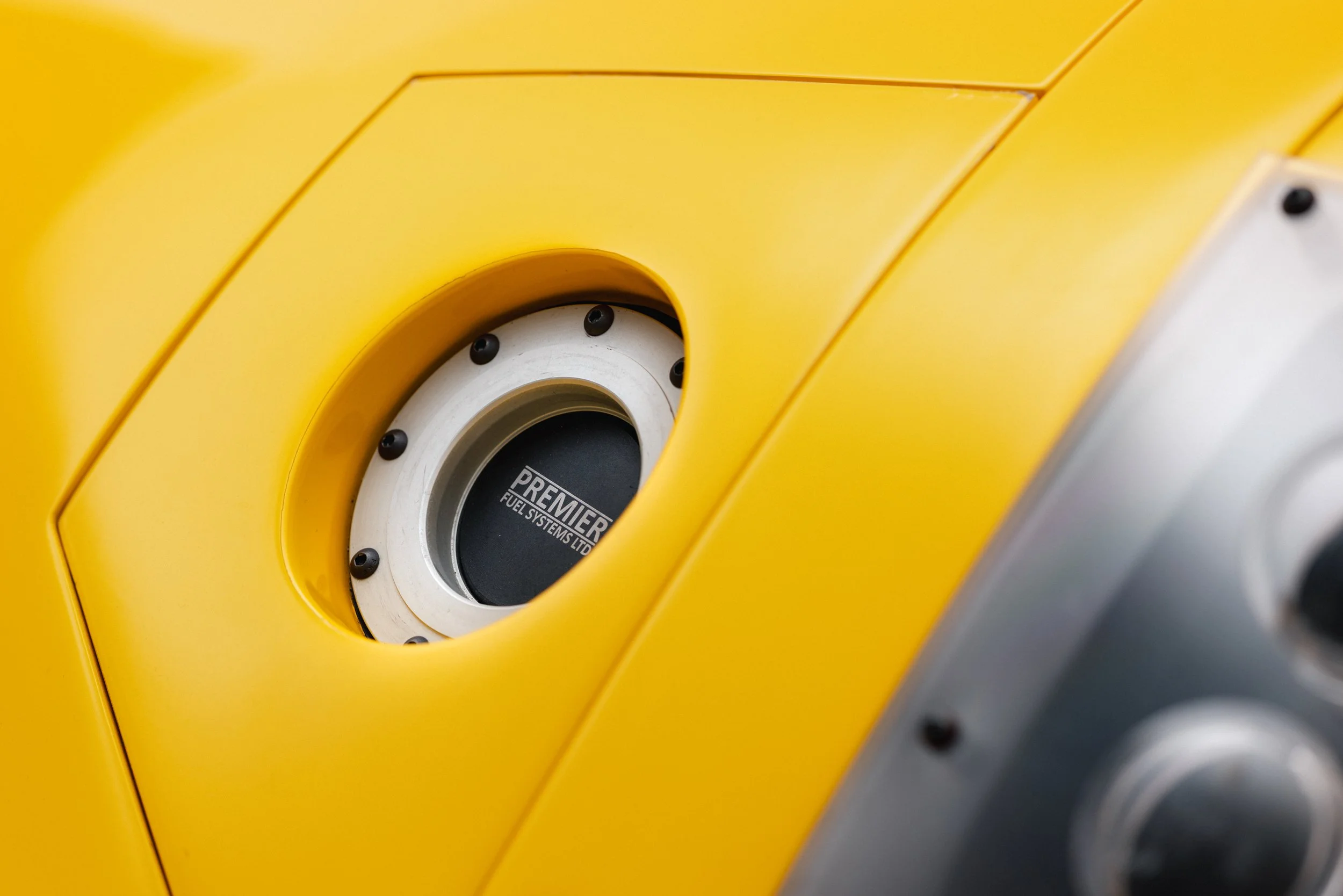
Accompanied by an extensive spares package, including a spare engine, bodywork, body moulds, uprights, wishbones, wheels and more
Eligible for a wide variety of prestigious historic events, including Le Mans Classic Legend (Plateau 7), Le Mans Classic Series Group C (Peter Auto), Masters Group C, as well as HSR’s Group 6 in America, including both Daytona and Sebring Classics


-
At the 1990 24 Hours of Le Mans, Mark Blundell put together one of the most sensational single lap performances the Circuit de La Sarthe had ever seen, qualifying his Nissan R90CK on pole position by a margin of six seconds to his nearest competitor. An utterly dominant qualifying performance, testimony to the model’s incredible pace. The combination of Nissan’s 3.5-litre twin turbo V8 engine, the Lola-built carbon-fibre monocoque construction, and, admittedly, a reported wastegate malfunction momentarily giving the car around 1,100hp over the course of the lap, all came together to deliver Le Mans’ most famous single lap.
By the early 1980s, Japan's leading manufacturers had set their sights on international sports car racing. Mazda, Toyota and Nissan all committed substantial resources to the challenge, with Nissan pursuing it with particular ambition. Its early Group C cars were built largely around March chassis, powered first by four-cylinder and later six-cylinder engines. In 1987 the programme took a decisive step forward with the arrival of a purpose-built 3.0-litre twin-turbo V8. That engine would underpin Nissan's sports car efforts for more than a decade, and its influence is widely reported to extend as far as McLaren's modern twin-turbo V8 road car engines.
For 1989, Nissan recognised that to challenge Mercedes, Jaguar and Porsche at the front of the field, its potent twin-turbo V8 needed a chassis to match. The task was entrusted to Lola, the revered British constructor, which produced a bespoke carbon-fibre composite monocoque for the new R89C. The result was a substantial step forward from the R88C it replaced. Pushrod-actuated inboard suspension was fitted all round, while the V8 was enlarged to 3.5 litres and mated to a five-speed Hewland gearbox. More aerodynamically efficient carbon-Kevlar bodywork completed the package.
Lola built six R89C chassis for the 1989 season, and the car made its debut at the Dijon 480km. Three works cars were then entered for the 24 Hours of Le Mans, but despite a determined effort, none reached the finish. Continued development through the rest of the season soon paid off, however, and the R89C claimed third place in the World Sports-Prototype Championship rounds at the Nürburgring and Spa-Francorchamps.
Over the winter, the design evolved into the R90CK, developed for the World Sports-Prototype Championship, alongside its sister car, the R90CP, built specifically for the All Japan Sports Prototype Championship. Both featured revised bodywork and a reworked 3.5-litre twin-turbocharged VRH35Z V8. Six brand-new CKs and a spare tub were constructed by Lola, a clear statement of Nissan’s intent ahead of the 1990 season.
Le Mans was the principal objective, and Nissan arrived with an armada of seven cars, five of them works entries. Qualifying proved a resounding success, with Mark Blundell securing pole position in his R90CK by six seconds, famously aided by a jammed turbo wastegate that unleashed a reported 1,100bhp. In doing so, Nissan became the first Japanese manufacturer to take pole at Le Mans. Nissans also filled four of the top five grid positions, underlining the cars' outright pace. Despite this commanding display, mechanical problems and misfortune would ultimately deny Nissan the chance to convert pole position into overall victory.
The pace shown at Le Mans carried through the season, with the R90CK scoring four podiums and Mark Blundell and Julian Bailey coming close to victory twice, finishing runner-up in both Montreal and Mexico City. In Japan, however, the R90CP truly came into its own. Nissan won the 1990 All Japan Sports Prototype Championship constructors’ title, while Masahiro Hasemi, Toshio Suzuki, Kazuyoshi Hoshino and Anders Olofsson shared the drivers’ crown.
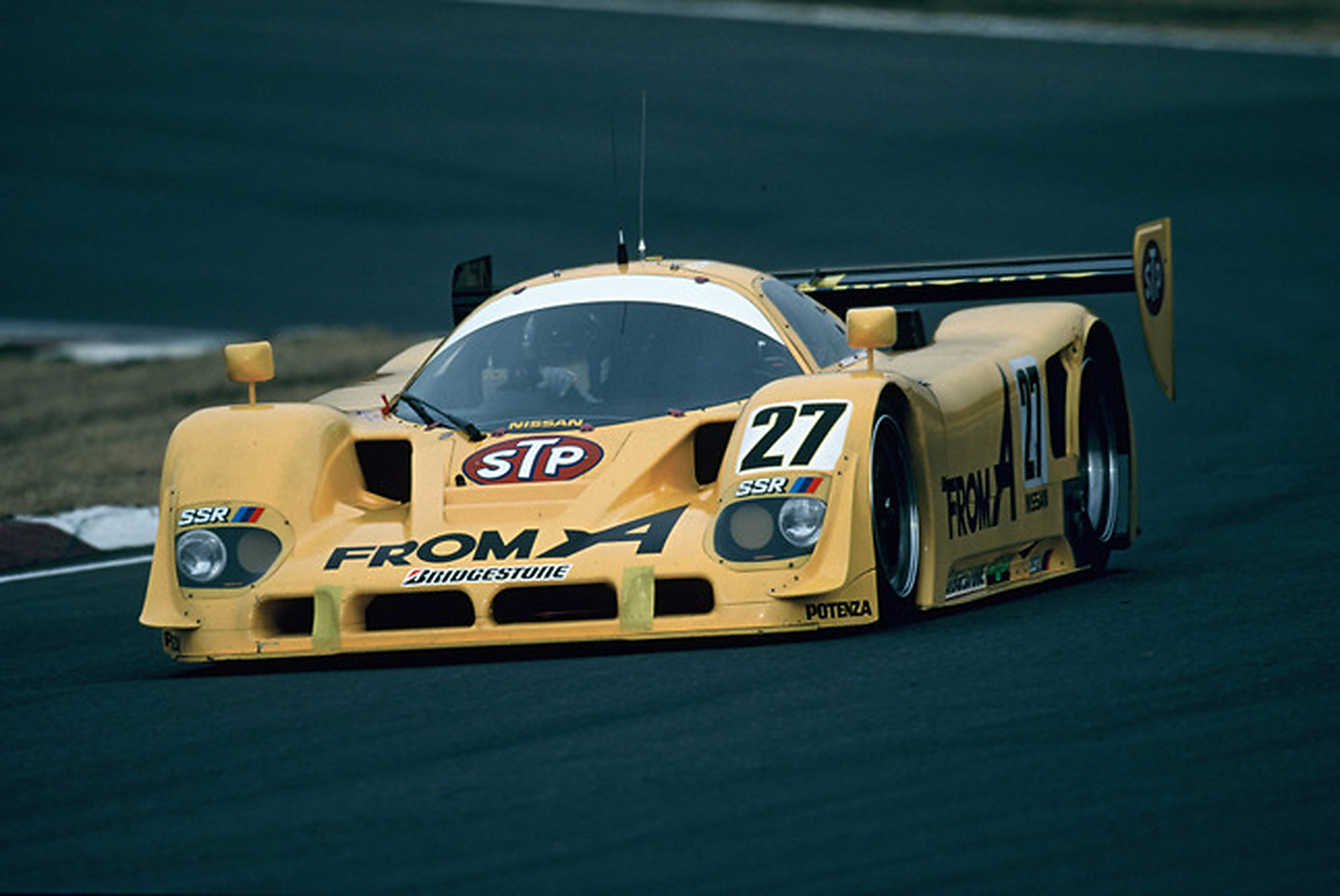
At the end of 1990, Nissan decided to concentrate on the JSPC and IMSA championships, pulling the plug on the World Sports Car Championship. Further evolutions of the R90CK saw the light of day from 1991 however. The seventh and final Lola chassis, held in reserve during 1990, was sold to Nova Engineering and built up as the R91CK. Raced in From A colours in the 1991 All Japan Sports Prototype Championship, it finished second on debut at Fuji, just over a second behind the winner, and later contested the 1992 Daytona 24 Hours, finishing a commendable eighth overall.
Blisteringly fast in period, the R90 platform had the pace to win at the highest level. Three consecutive All Japan Sports Prototype Championship titles and the R91CP's outright victory at the 1992 Daytona 24 Hours, the first by a Japanese manufacturer, are proof enough. Today, these mighty twin-turbo V8 Nissans remain a fixture of historic Group C racing, consistently competitive against ex-works Saubers, Jaguars and Porsches.
-
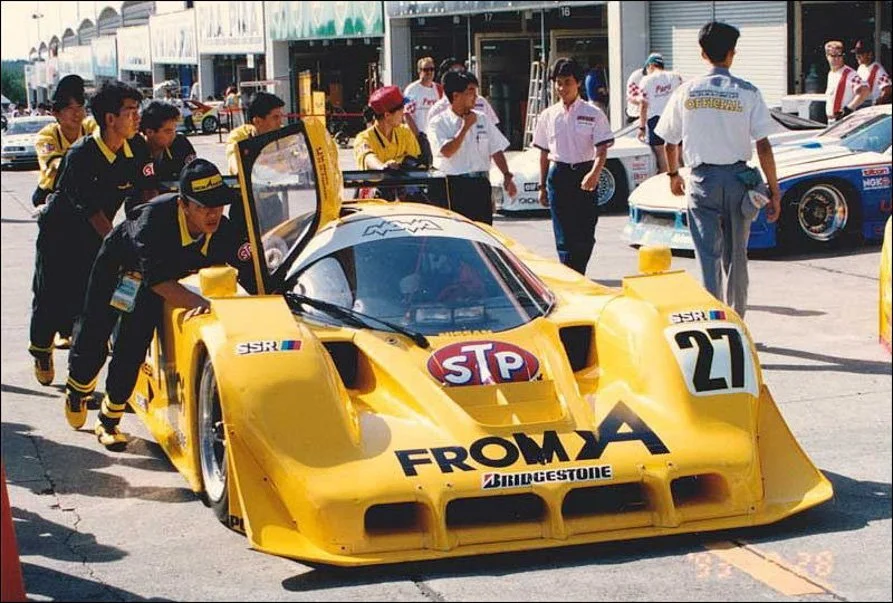
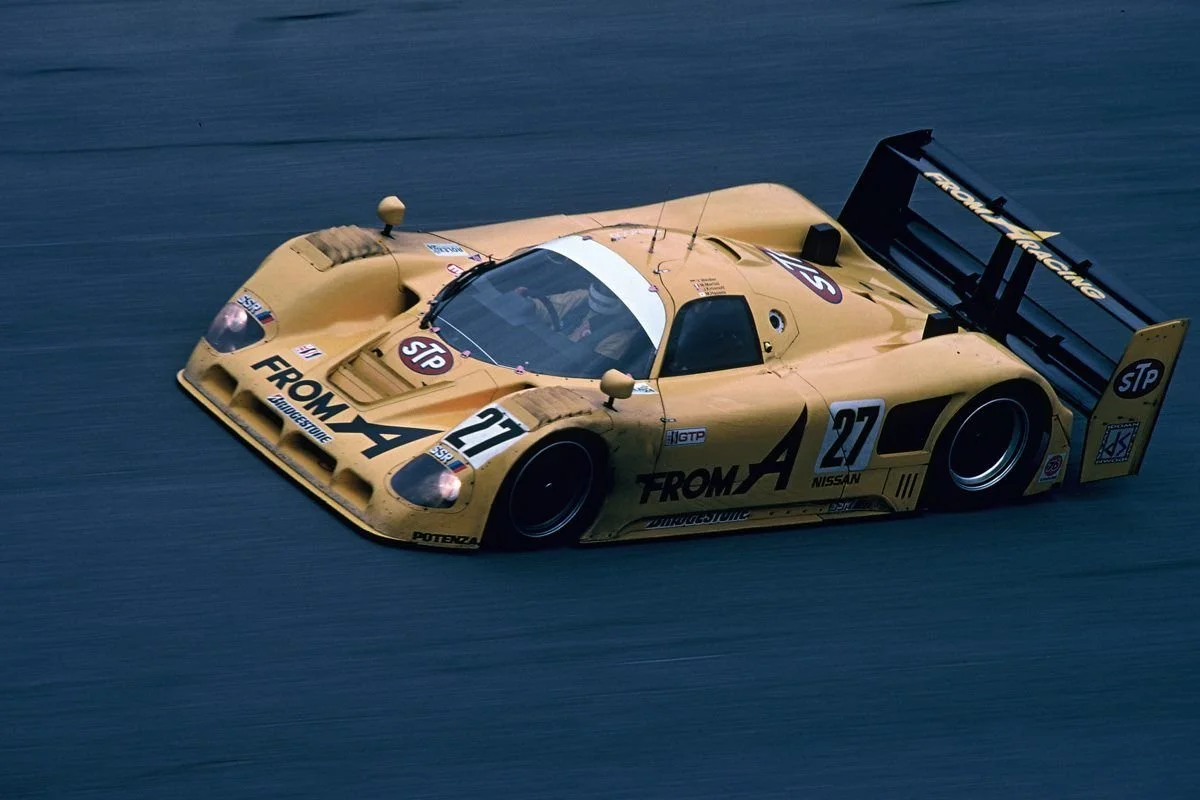
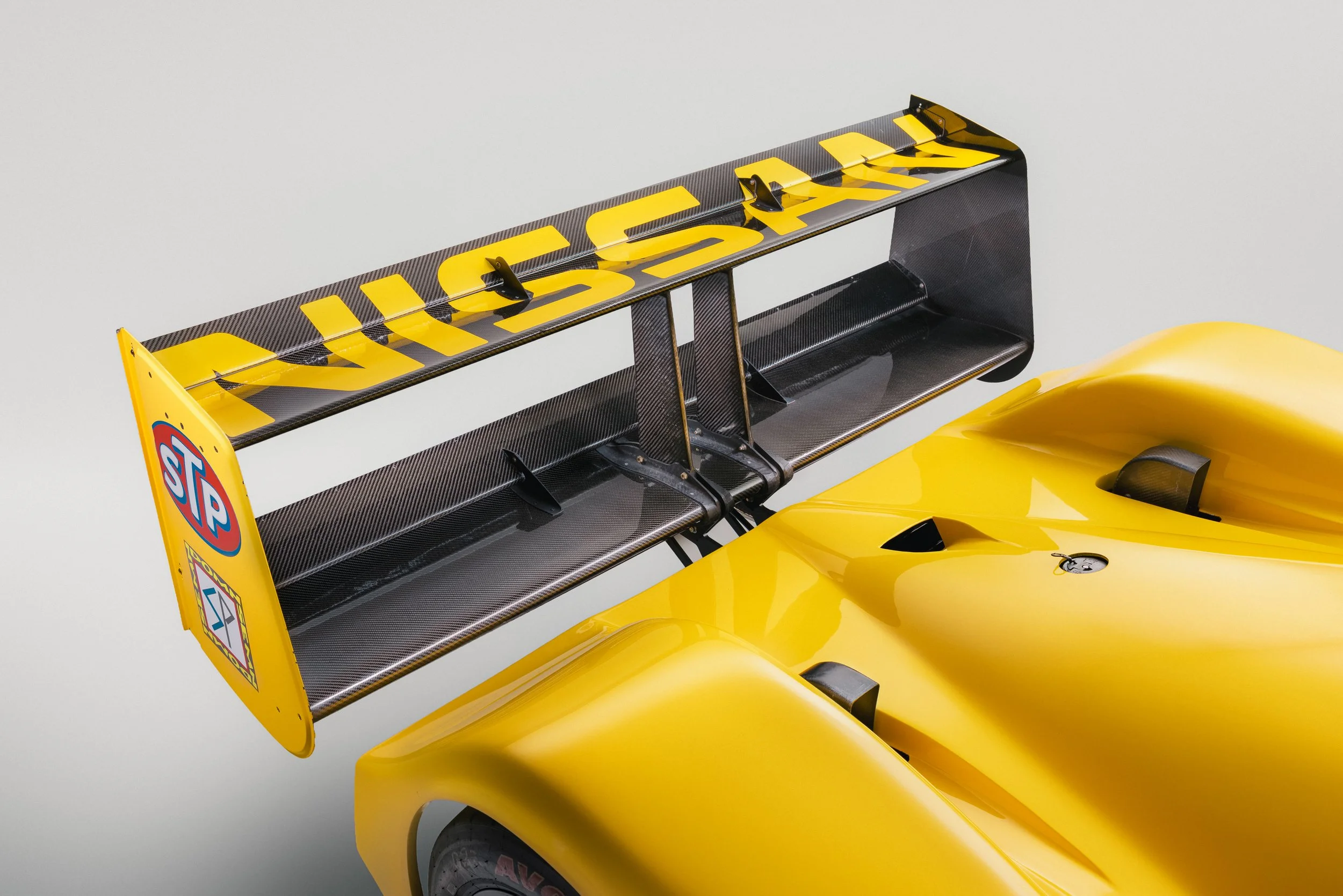
R90C-07 was the seventh and final chassis built by Lola for Nissan's 1990 programme. Held in reserve as a bare monocoque throughout the season, it was sold towards the end of the year to Nova Engineering, one of Japan's most accomplished privateer teams. Founded in 1973, Nova had built its own Formula 2 cars before turning to sports car racing, where its Porsche 956s and 962Cs became front-runners in the All Japan Sports Prototype Championship, even winning the title in 1985. Nova developed a series of aerodynamic upgrades for chassis 07 in the wind tunnel, including a roof scoop, extended rear bodywork and a new rear wing. Renamed the R91CK and completed in December 1990, the car was finished in the distinctive yellow livery of Nova's long-term sponsor, From A.
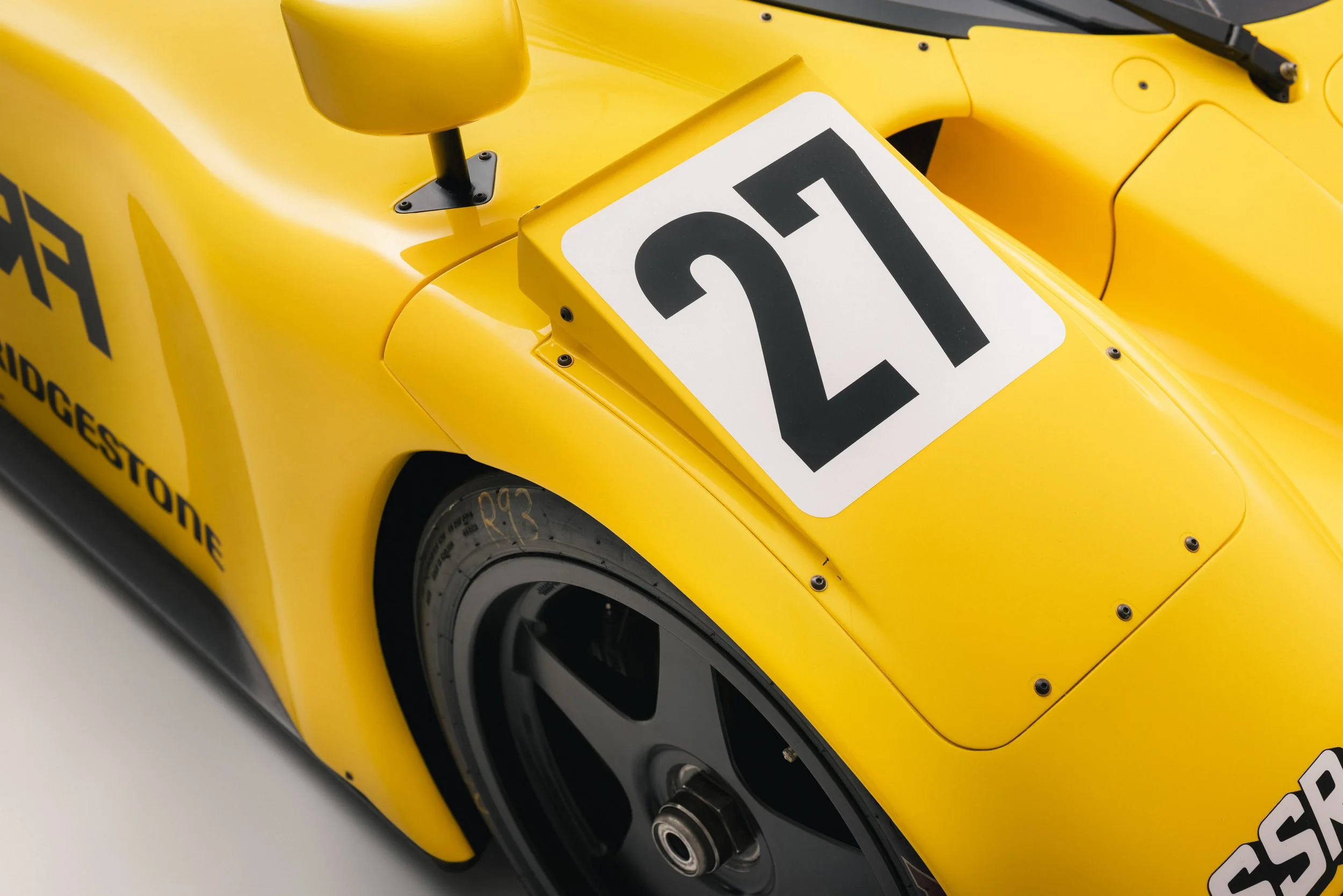
For 1991, Nova Engineering entered the yellow #27 R91CK in the All Japan Sports Prototype Championship for Akihiko Nakaya and Volker Weidler, who would go on to win Le Mans for Mazda that June. The car was on the pace from the outset. At the opening Fuji 500km it finished second overall, little more than a second behind the winning works Nissan R91CP.
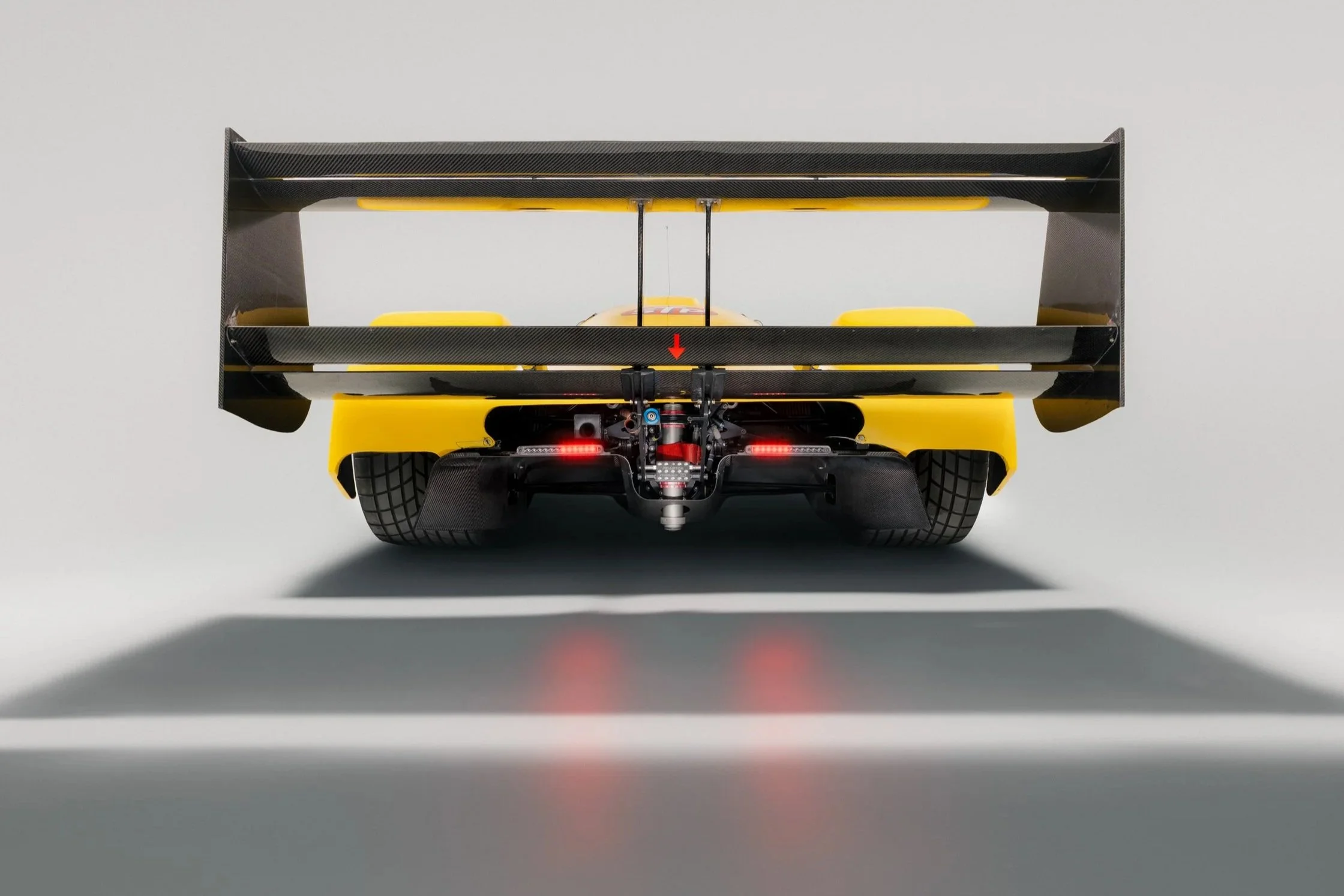
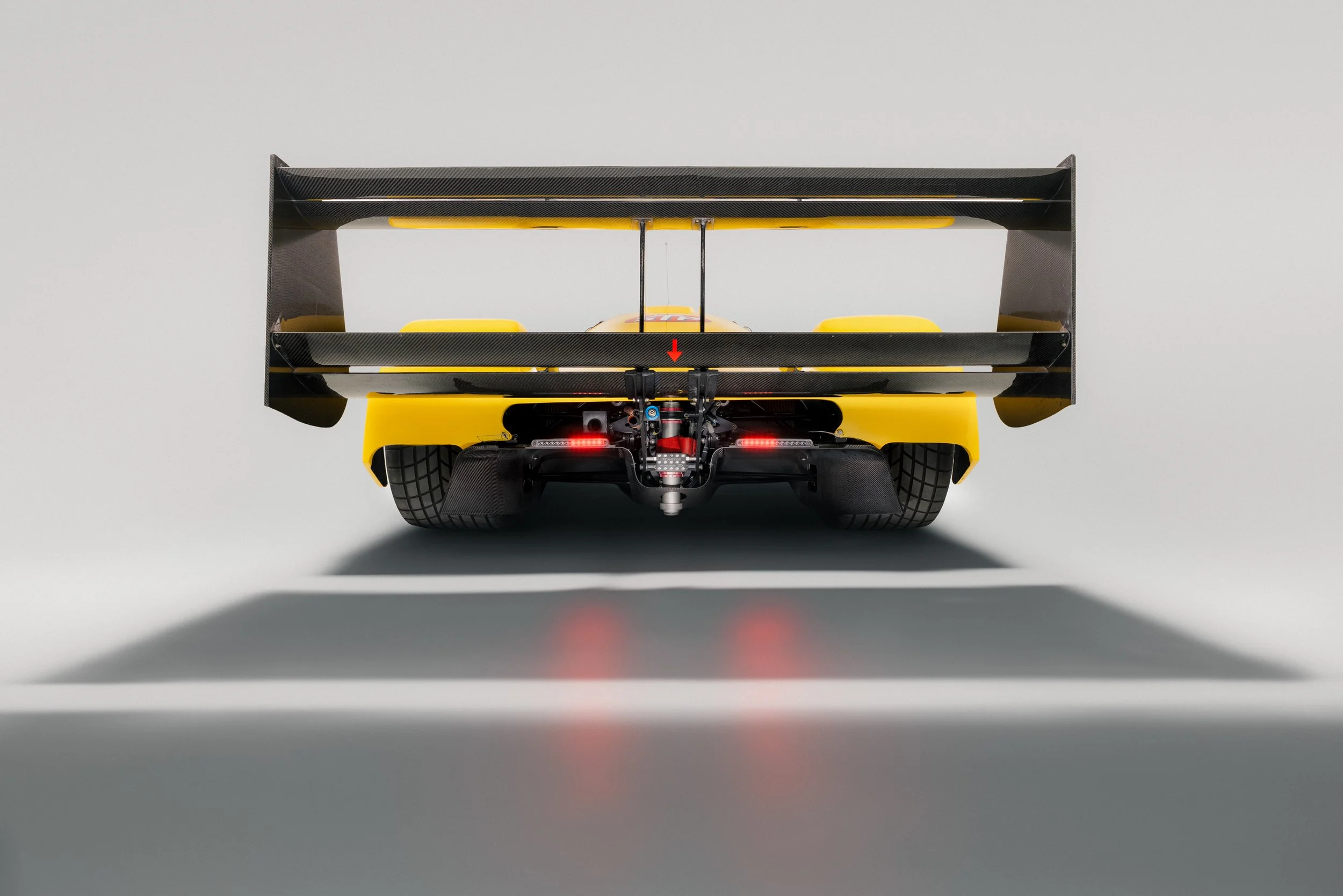
Joined by Thomas Danielsson for the Fuji 1000km in May, the crew qualified sixth, only for a transmission failure to end their race early. At the Fuji 500 miles in July, chassis 07 appeared with a heavily reworked twin-element rear wing inspired by that of the all-conquering Jaguar XJR-14. Its upper element generated downforce in the conventional manner, while the lower element extended the underbody’s ground-effect tunnels, an effect further enhanced by taller endplates. Sixth place ensued at round three of the championship, before the car embarked on its finest run of the season. Back-to-back second places at Suzuka and Sugo saw the privateer From A Nissan finish ahead of both works R91CPs each time. The season closed with tenth place in the Sugo 500 Miles.
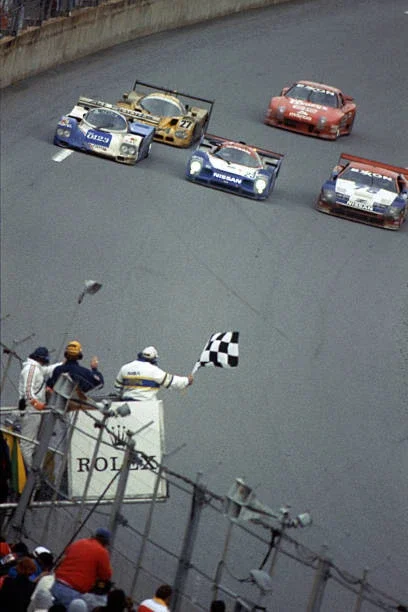
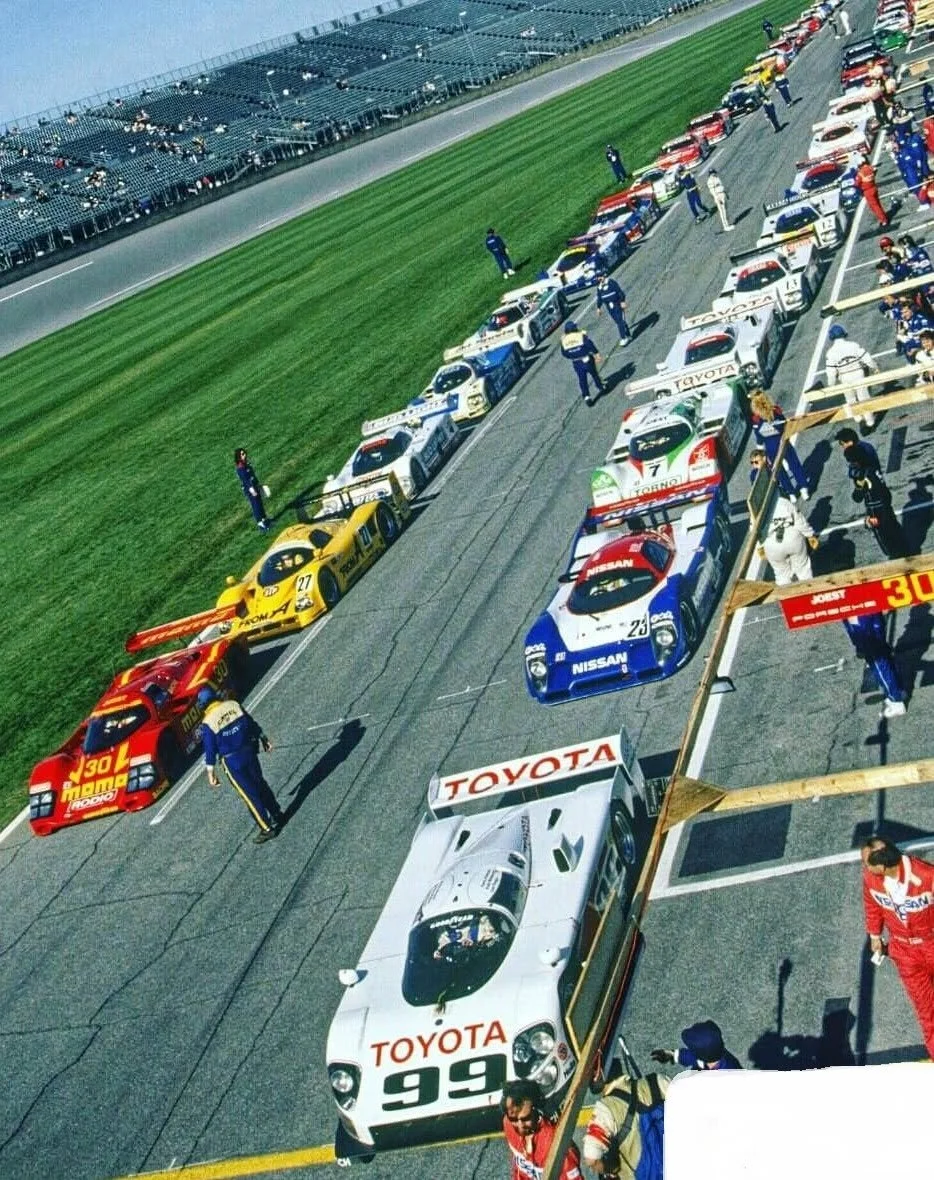
Ahead of a planned assault on the 1992 Daytona 24 Hours, R90C-07 was substantially reworked over the winter of 1991/92 with further aerodynamic upgrades and a higher downforce twin-element rear wing. Retaining its yellow From A livery and familiar #27, the car was entrusted to the formidable trio of Mauro Martini, Volker Weidler and Jeff Krosnoff. They qualified fifth, ahead of one of the works Eagle MkIII Toyotas and the works Jaguar XJR-12D. After a gruelling twice-round-the-clock battle, R90C-07 took the flag in a highly credible eighth overall and second in class. For the remainder of 1992, R90C-07 served as the spare car for Nova Engineering’s All Japan Sports Prototype Championship campaign.
Chassis R90C-07 received one final update for 1993. The bodywork was further refined again, with a redesigned nose and shorter rear wing endplates, in what became known as R93CK specification. In this guise, it was entered by Nova Engineering in the Suzuka 1000 km for Mauro Martini and future multiple grand prix winner Heinz-Harald Frentzen. The pair stormed to pole position with a margin of well over a second over the second placed Nissan R92CP and finished a brilliant second overall in the race.
After three seasons of front-line competition, R90C-07 was retired and placed into storage by Nova Engineering. In 1996 it was awoken from its slumber when acquired by Michael Gue of Essex Racing. The following year it passed to respected historic racer Charlie Agg, who prepared it for historic competition, and from the early 2000s raced the yellow Nissan on both sides of the Atlantic. The car proved highly competitive at the Daytona and Sebring historic enduros, winning the Sebring 3-hour race in 2001. The undoubted highlight of the car's period with Agg was a victory in the Group C support race at the 2004 24 Hours of Le Mans, against the likes of Jaguar XJR-11s and Porsche 962s.
In 2008 the car was acquired by Steve Purdie, and that same year his son Andy demonstrated it at the Goodwood Festival of Speed before campaigning it in historic events. Two years later it passed to Steve Tandy, who raced chassis 07 across the UK and Europe, with preparation entrusted to Alastair Bennett at CGA (now Front Row Racing). A consistent front-runner, the Nissan scored an overall victory at Paul Ricard in 2012, beating a Sauber C11 and reportedly touching 347 km/h at the end of the Mistral Straight, and added further podiums at Silverstone and Paul Ricard.
By 2015 R90C-07 had joined the stable of Gareth Evans, with preparation handled by Bob Berridge’s BBM Sport. Shared by Evans and Berridge, it continued to run at the sharp end, taking pole and second place at the Silverstone Classic and winning at Spa. The following year it returned to the Silverstone Classic to claim a commanding victory, and also appeared at Le Mans Classic.
By 2018 the Nissan had been acquired by Pierre-Alain France, who entrusted its preparation to French specialists Equipe Europe. A regular fixture on the Peter Auto Group C Racing grid, R90C-07 continued its rich vein of form, taking overall victory at the Hungaroring in 2019 and again at Dijon in 2021. Sharing driving duties with his son Erwin, the pair would be regularly be at the front and added a string of podium finishes to the car’s various accolades. It also returned to Le Mans Classic in both 2018 and 2022.
In 2023, chassis 07 was acquired by our vendor and entrusted to Group C specialists Moto Historics. Since then it has benefited from significant investment, including a brand-new floor and a full engine rebuild by Init Racing in 2024. Completed in time for the 2025 season, the work immediately paid dividends. The car qualified on the front row at the season-opening Barcelona round and delivered further impressive qualifying performances throughout the year, including at Le Mans Classic.
Over the winter of 2025/26, improvements were made, with the engine receiving a Rattler damper and a brand-new bottom end, as well as a full gearbox rebuild, before the car took part in Peter Auto’s official test at Paul Ricard in March 2026.
Today, R90C-07 is presented in exceptional condition and is offered with an FIA Historic Technical Passport valid until 2036 and current crack-test certification. The engine has substantial life remaining before its next rebuild, while the gearbox has seen minimal usage since its rebuild by Venture Engineering. The car is accompanied by an extensive spares package, including a second engine currently being rebuilt by Init Racing, uprights, wishbones, two sets of wheels and spare bodywork, together with the original body moulds, allowing replacement panels to be produced as required.
This unique Nissan R91CK can be considered as the ultimate evolution of Nissan’s Group C program, being the fastest and most advanced iteration of Nissan’s legendary R90C platform. A proven front-runner in historic Group C racing over the past 25 years with its iconic and instantly recognisable bright yellow From A livery, chassis R90C-07 has been maintained and recently overhauled regardless of cost, and to the very highest standard a racing car could benefit from. It is eligible for the most prestigious events in historic endurance racing. These include the new Le Mans Classic Legend (Plateau 7), Peter Auto’s Group C Racing, Masters Group C and HSR’s Classic 24 at Daytona and Classic 12 at Sebring. A former guest at the Goodwood Festival of Speed, it is equally suited to the world’s most prestigious demonstration events.
-
Technical Passport:
Expiry date: 31st December 2036
Crack Testing:
Last completed in September/October 2025
Engine Life:
As reported by Nigel Medcalf of Moto Historics, the current engine is reported to have 20 hours of running at the time of writing. Please note the car is scheduled to be run at the 2026 Classic 24 Hours of Daytona from 11th to 15 November. The engine was last rebuilt in 2024 by Init Racing. Most recently, the engine has been fitted with a brand-new bottom end and a brand-new rattler damper. Recommended rebuild intervals are 25-30 hours, as advised by Nigel Medcalf.
Gearbox:
The gearbox has minimal usage, only being tested at Paul Ricard in March 2026, as reported by Nigel Medcalf of Moto Historics. It was rebuilt over the winter 2025/2026 by Venture Engineering, including brand-new selector forks and gears.
Fuel Cell Certification:
Expiry date: November 2026 (can be extended for a further 2 years)
Seatbelts:
TBC
Fire Extinguisher:
Next service date: February 2027
-
Category: Group C
Chassis: Carbon fibre monocoque
Engine: 3,496cc, twin-turbocharged, Nissan VRH35Z V8, producing 900 bhp at 7,500 rpm and 1,000 Nm of torque
Gearbox: Hewland VG 5-speed manual
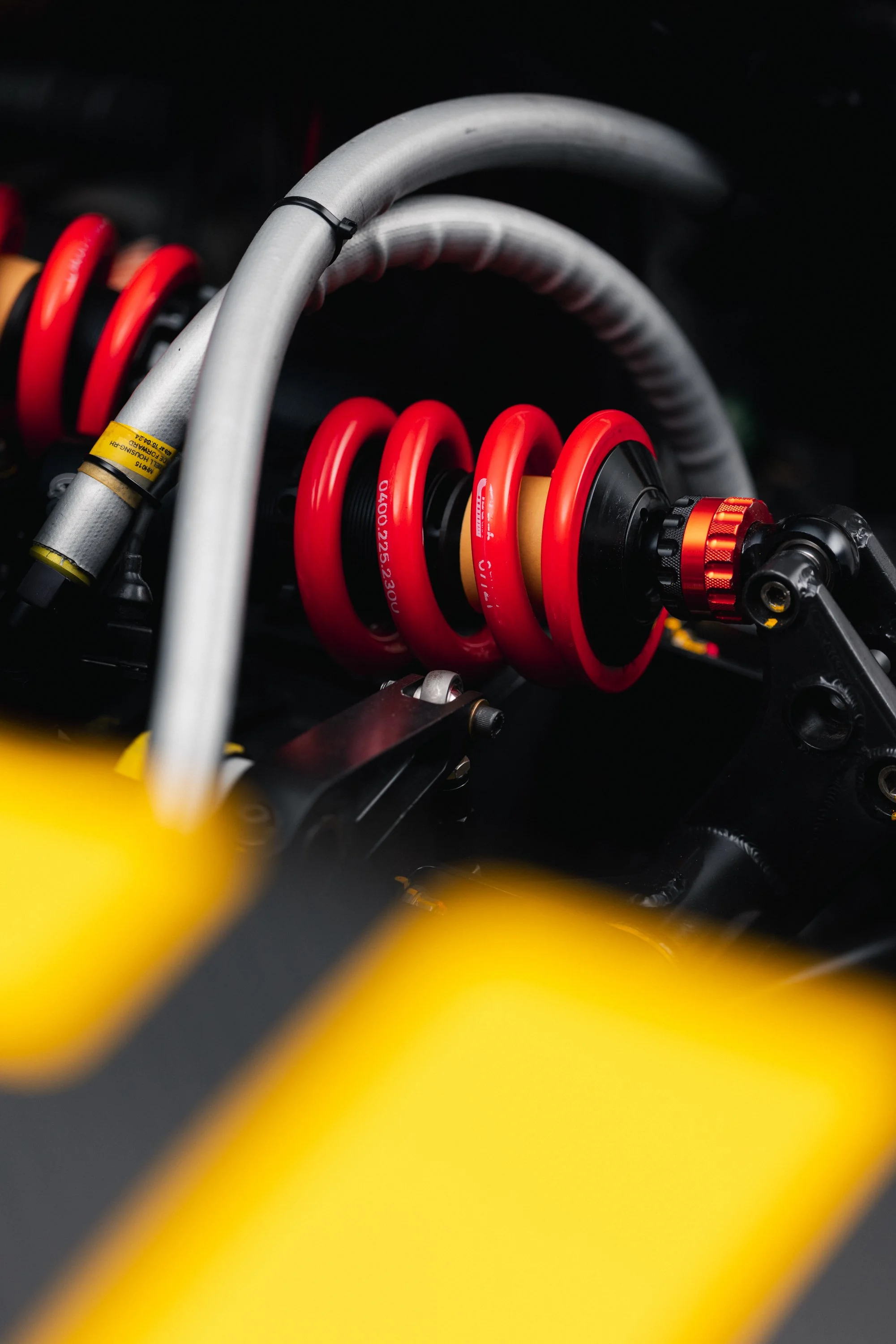
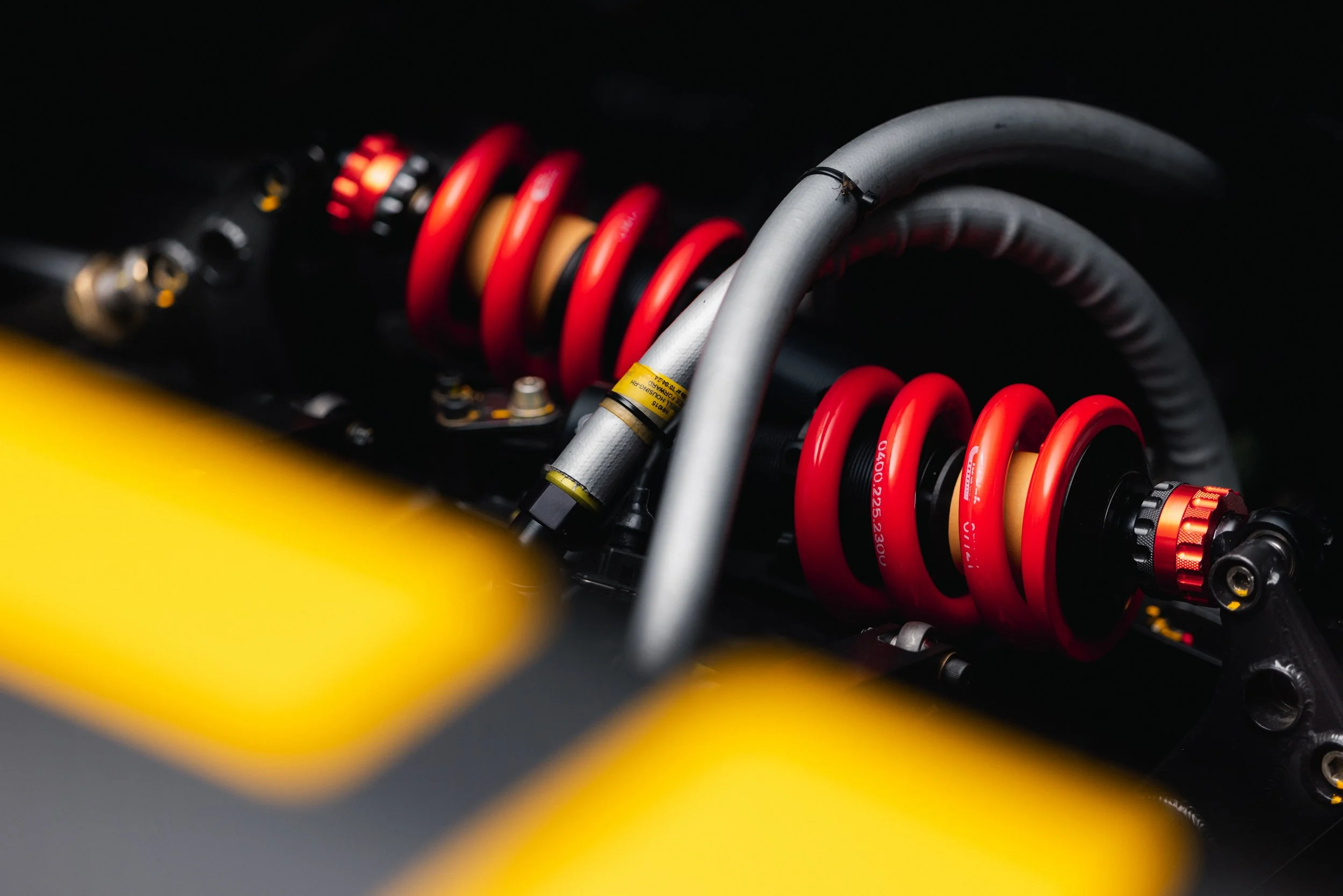
Front suspension: Double wishbones, coil springs over adjustable telescopic dampers, adjustable anti-roll bar
Rear suspension: Reversed double wishbones and top link, coil springs over adjustable telescopic dampers, adjustable anti-roll bar
Brakes: A choice of AP Steel or Carbon ceramic discs (currently fitted with steel, raced in period with carbon ceramic)
Weight: Homologation weight of 900kg
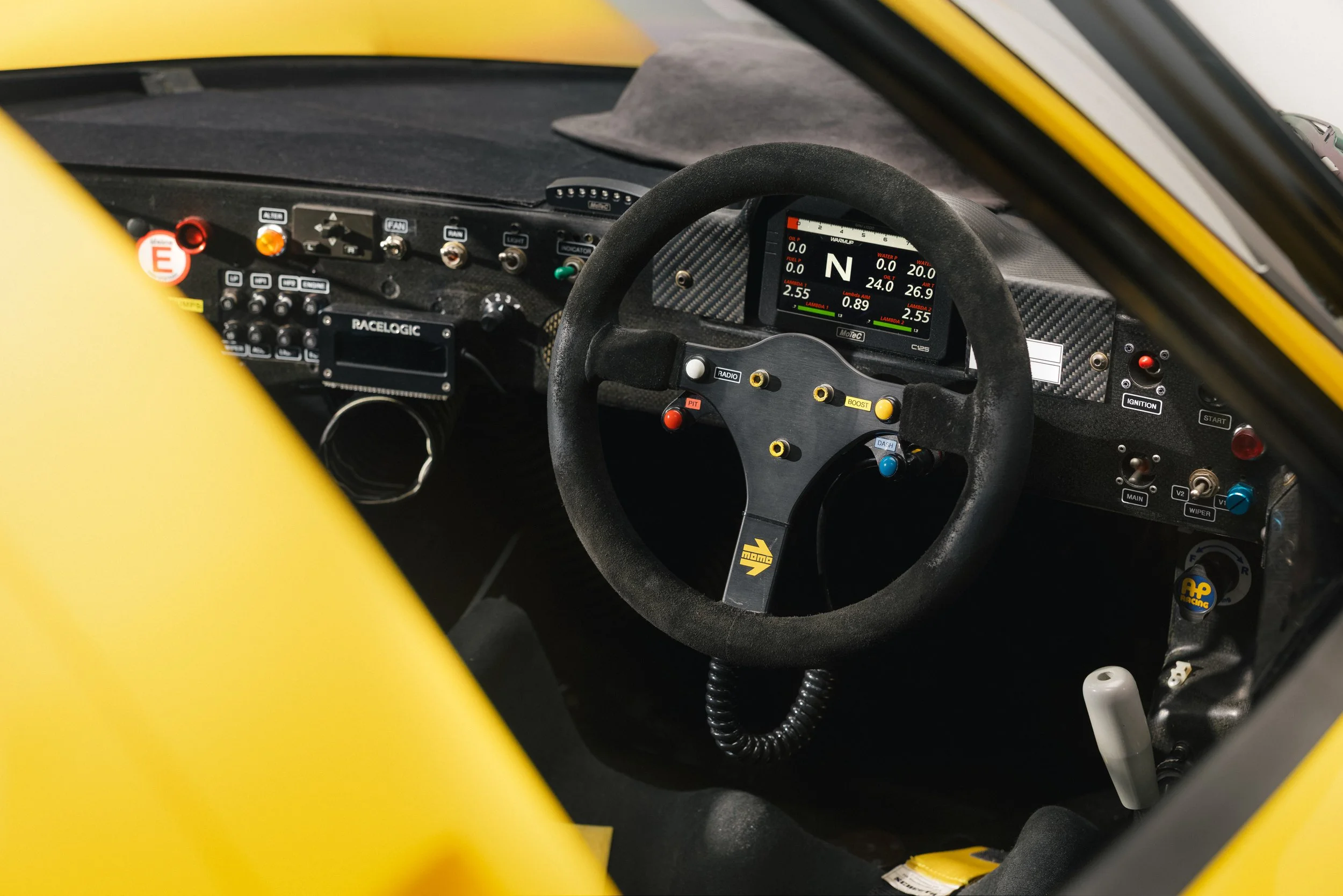
Electronics: Running a Motec M150 ECU, Motec C125 dash, Motec CDI 8 Ignition
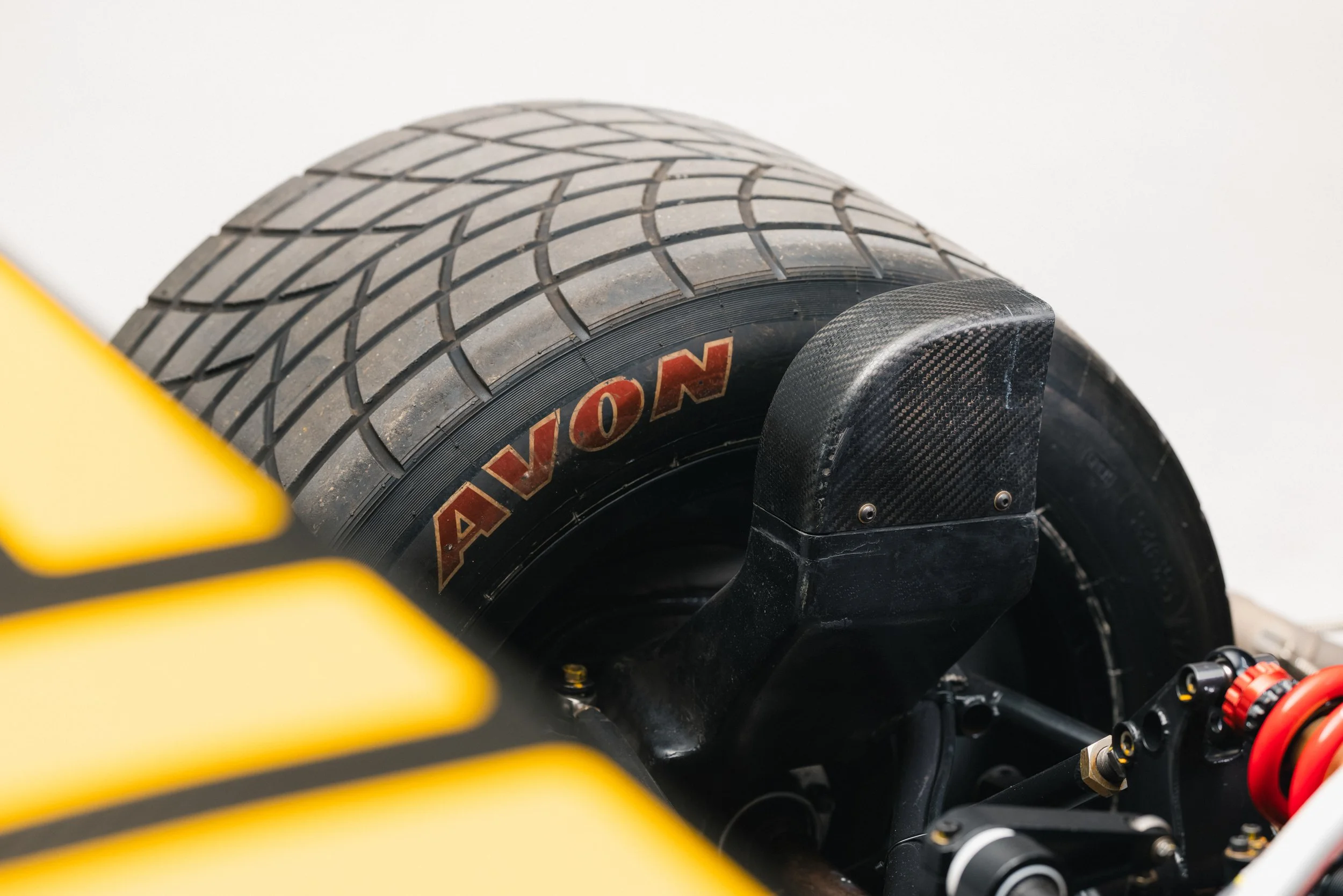
Tyres: Avon slicks/wets
-
Le Mans Classic Legends - Plateau 7
Newly announced, the biennial Le Mans Classic Legend will alternate with Le Mans Classic Heritage each year, focusing on cars that competed between 1976 and 2015. The first edition took place in 2026 and continues the legacy of one of historic racing’s most prestigious events.
Le Mans Classic Series (Peter Auto) - Group C
For Group C cars constructed between 1982 and 1993, Peter Auto’s historic Group C Grid visits some of Europe’s most revered circuits, including Barcelona, Spa and Paul Ricard.
Masters Group C
Masters’ Group C series caters for Group C cars constructed between 1982 and 1993 and visits superb circuits, including Paul Ricard and Monza.
Monterey Motorsports Reunion - Hurley Haywood Trophy
This annual event takes place during the iconic Monterey car week at the world-renowned Laguna Seca circuit and hosts a variety of races, including the Hurley Haywood Trophy for Group C and GTP cars between 1981 and 1991. The next event takes place in August 2027 and can be combined with the ‘Pre-Reunion’ event one week prior for those seeking the ultimate itinerary from their visit to this glorious corner of California.
HSR Group 6 - Including Daytona and Sebring Classics
For IMSA GTP & Group C cars, HSR’s Group 6 holds a full calendar of events in the United States. Among these events are two of the premier events for historic endurance competition, which are HSR Classic Daytona in November and HSR Classic Sebring 12 Hour in December.
-
This car is accompanied by an extensive spares package, including a complete and freshly rebuilt spare engine, spare bodywork, body moulds, uprights, wishbones, 2x sets of wheels and much more. Details available on request.
-
Car Location: this car is currently located in Florida, USA, where it will take part in the 2026 HSR Classic 24 Hour at Daytona from 11th to 15th November, on a temporary import. The car is scheduled to be coming back to the UK post-Daytona, and be displayed at our showroom facilities in Petersfield, Hampshire.
Taxes: The car is sold UK taxes paid
Sam Says“Fancy an unfair advantage? Look no further. This is weapons-grade plutonium for the Group C racer who wants to win. The last of the line, the latest iteration and now stunningly prepared to a condition that I suspect is as good, or in some ways better, than new.”
VideoHead to our youtube channel here to watch Sam walk you through the R91CK’s fascinating history.
PERIOD IMAGES


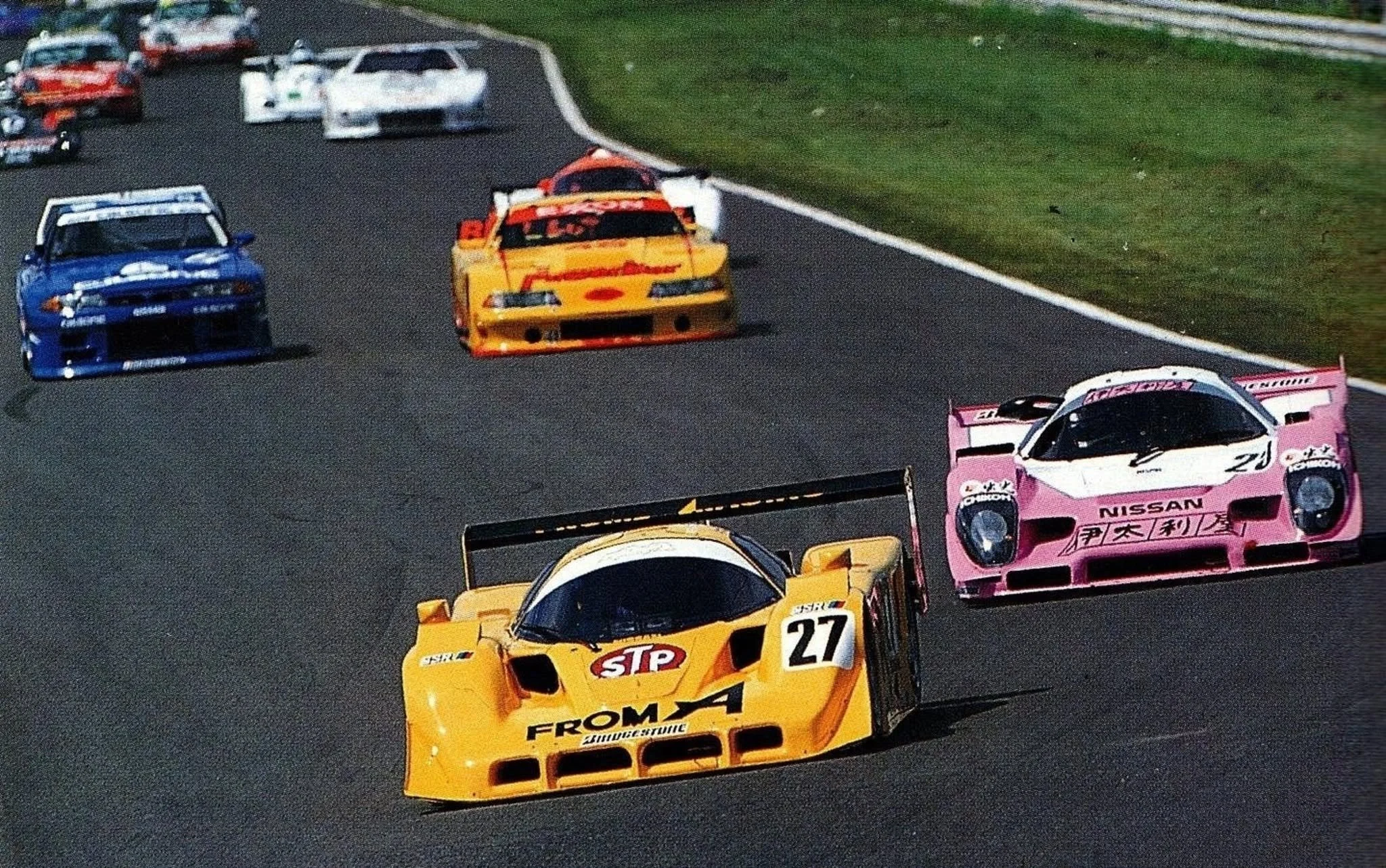
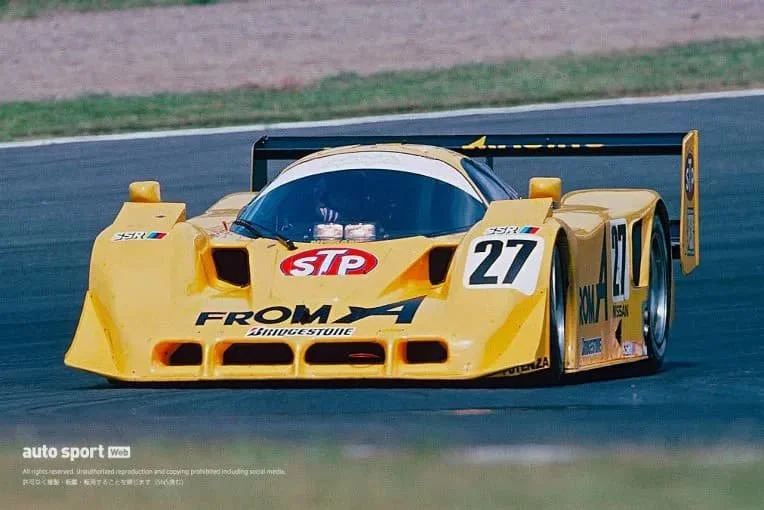
CONTEMPORARY IMAGES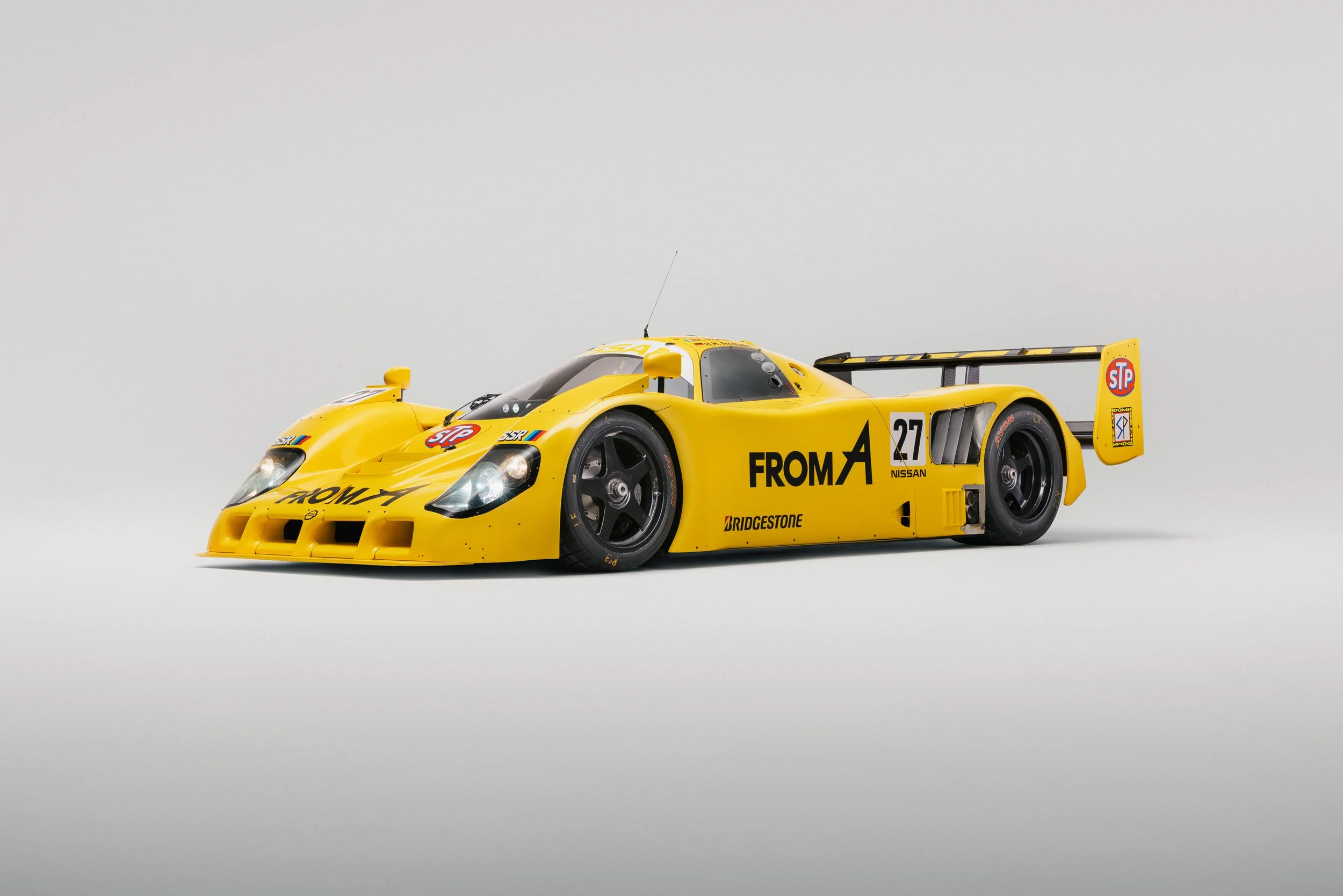
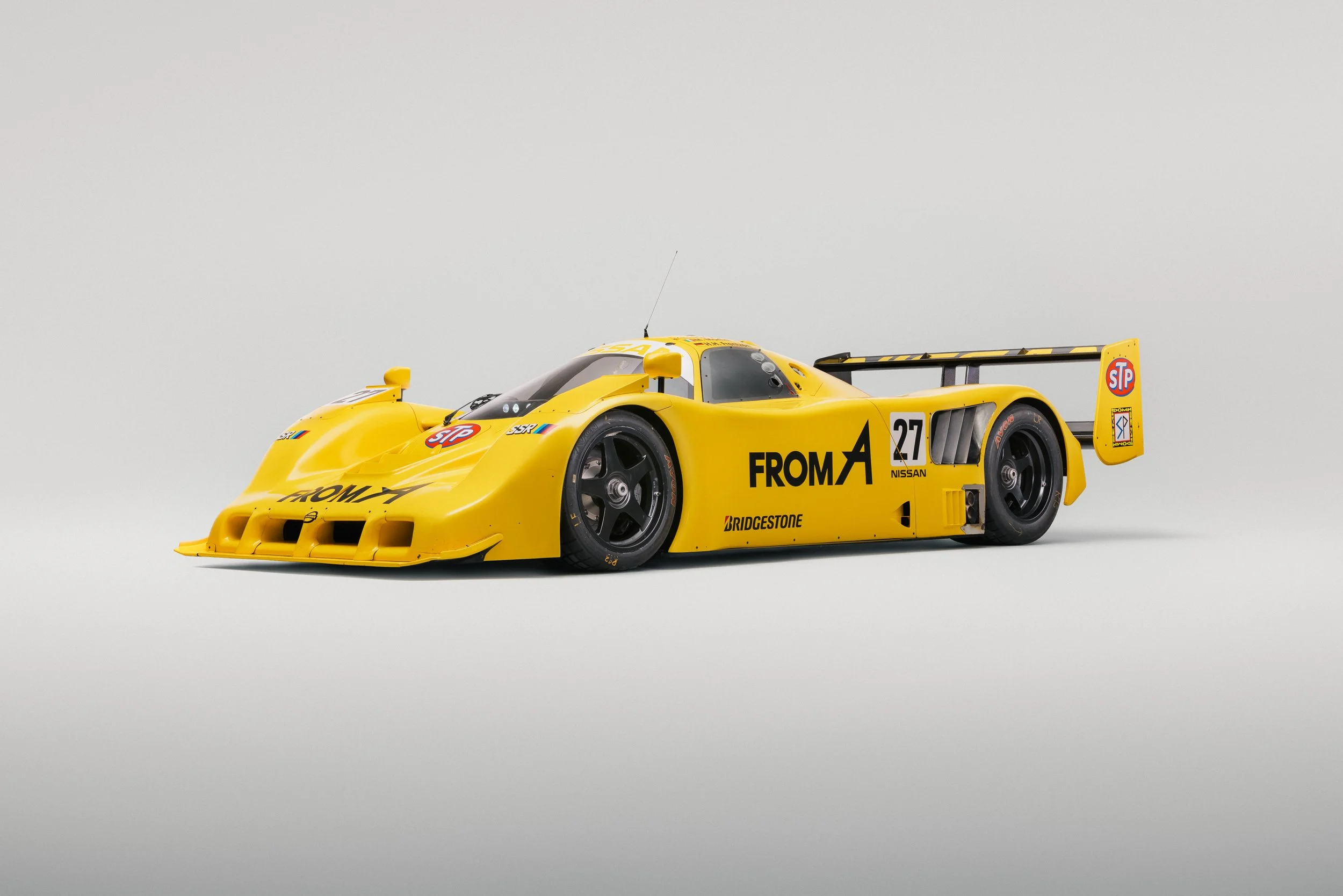
EnquiriesFor further information, please don’t hesitate to contact us.
ImagesBarneTech Ltd, Wouter Melissen