
price on application
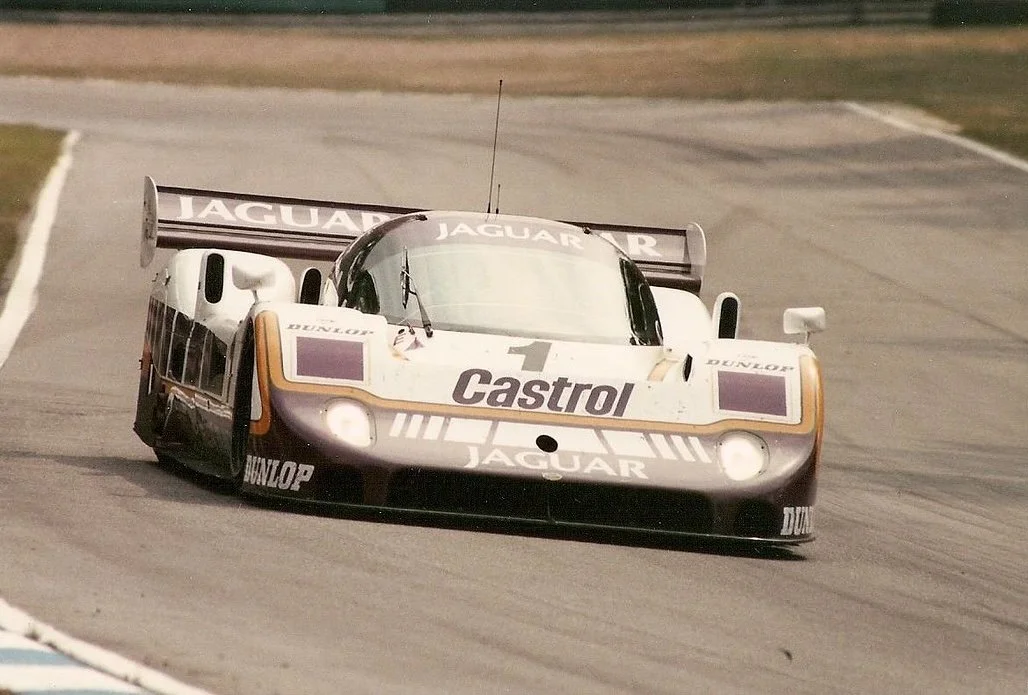
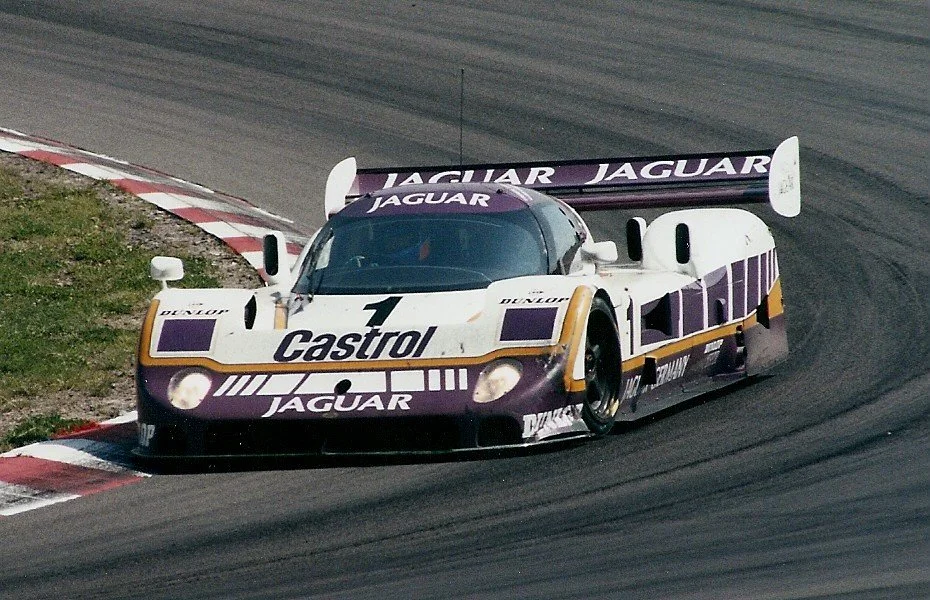
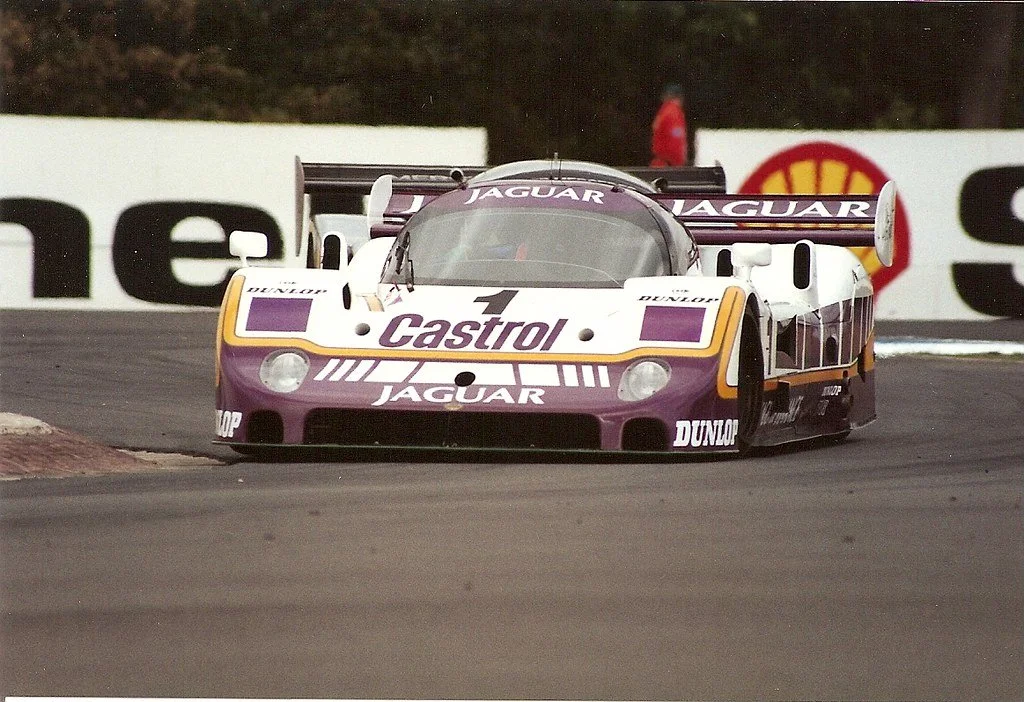
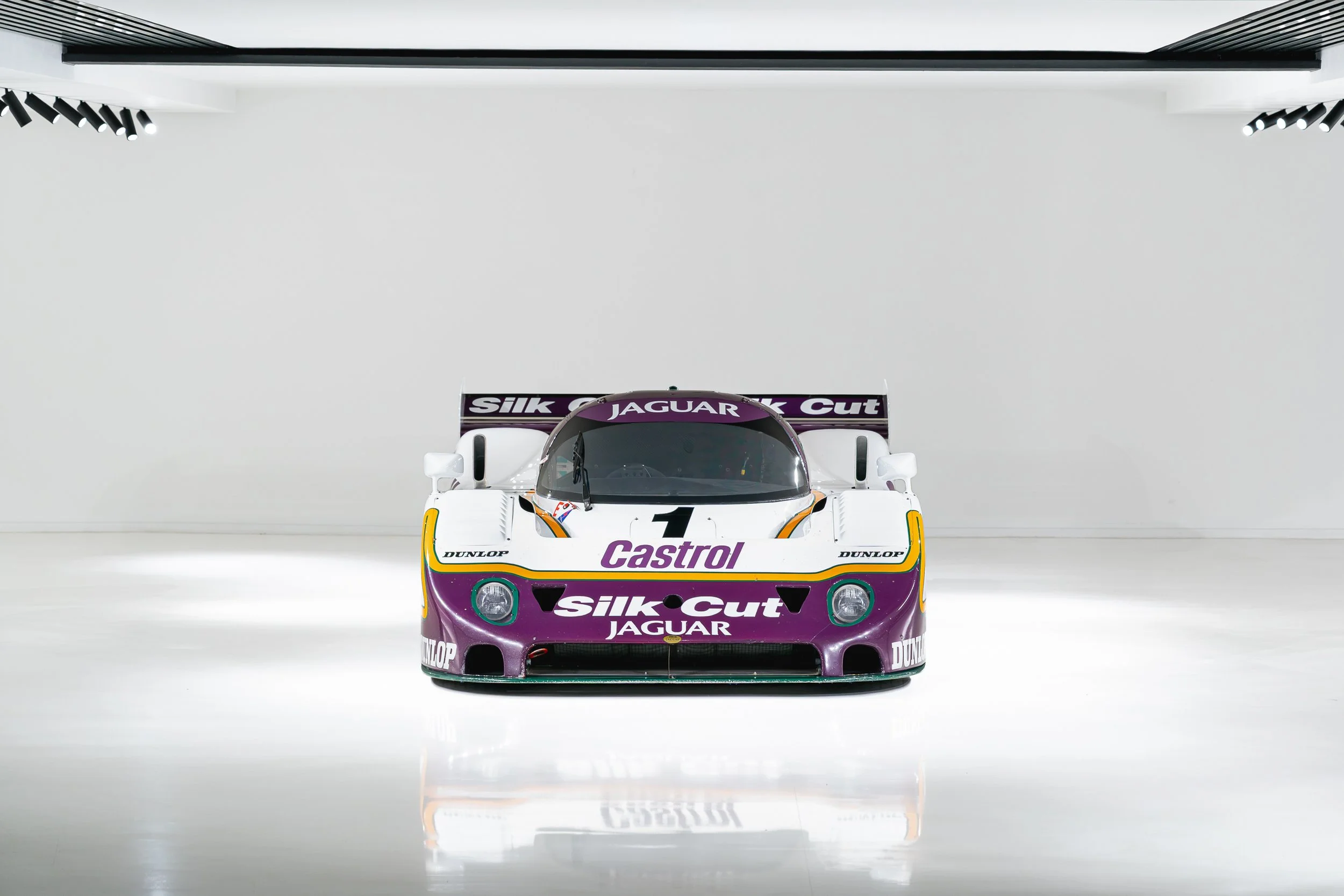
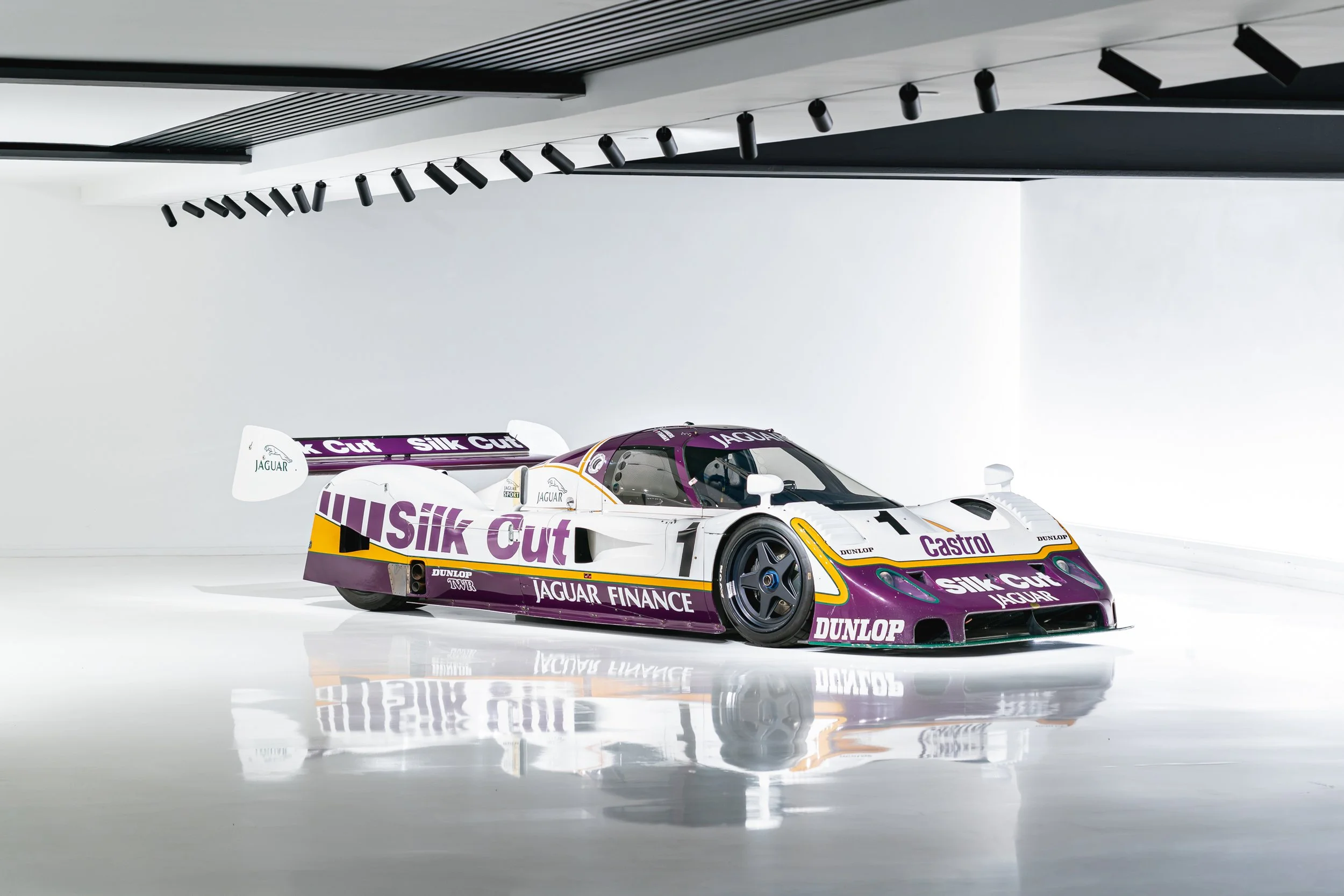
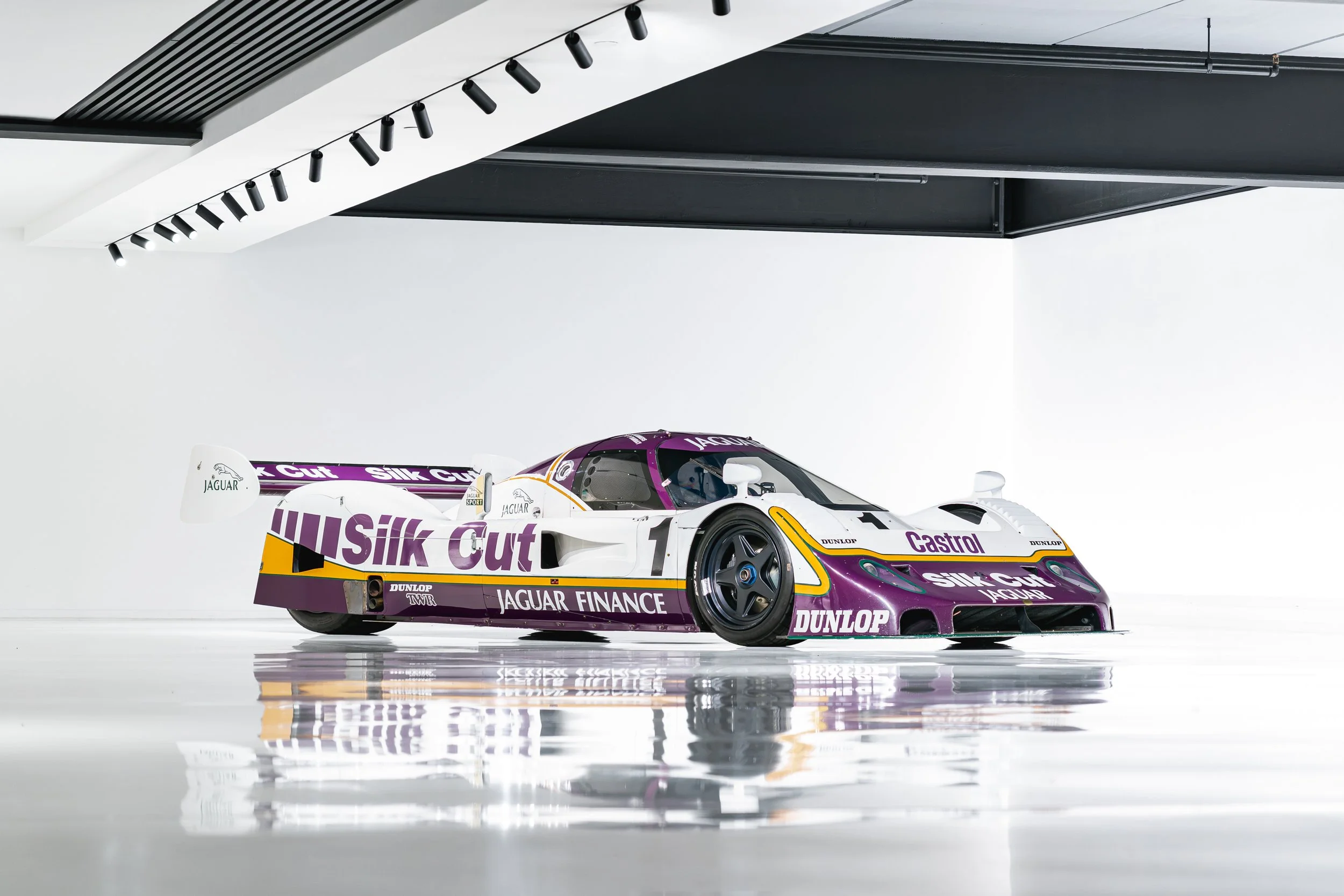
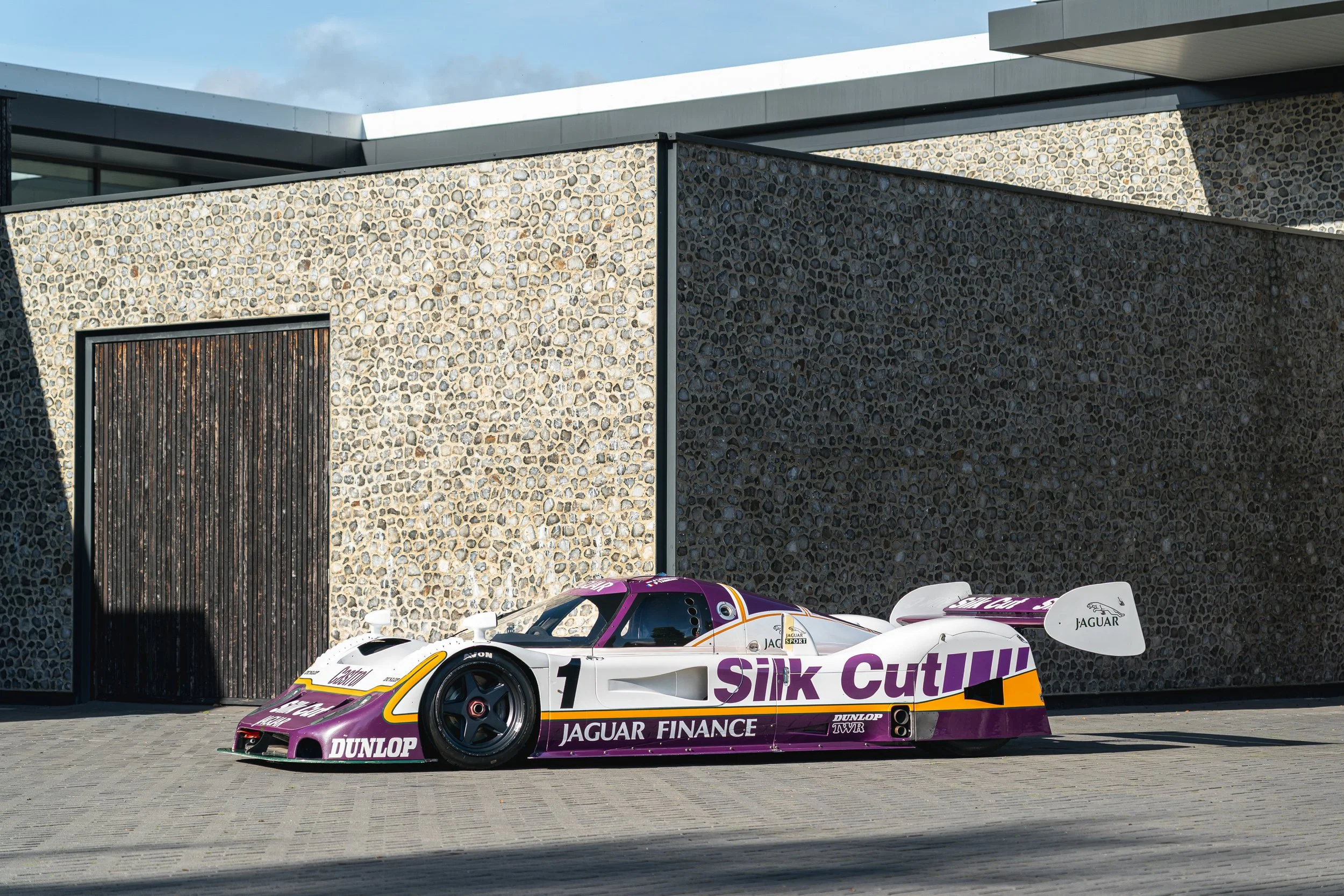
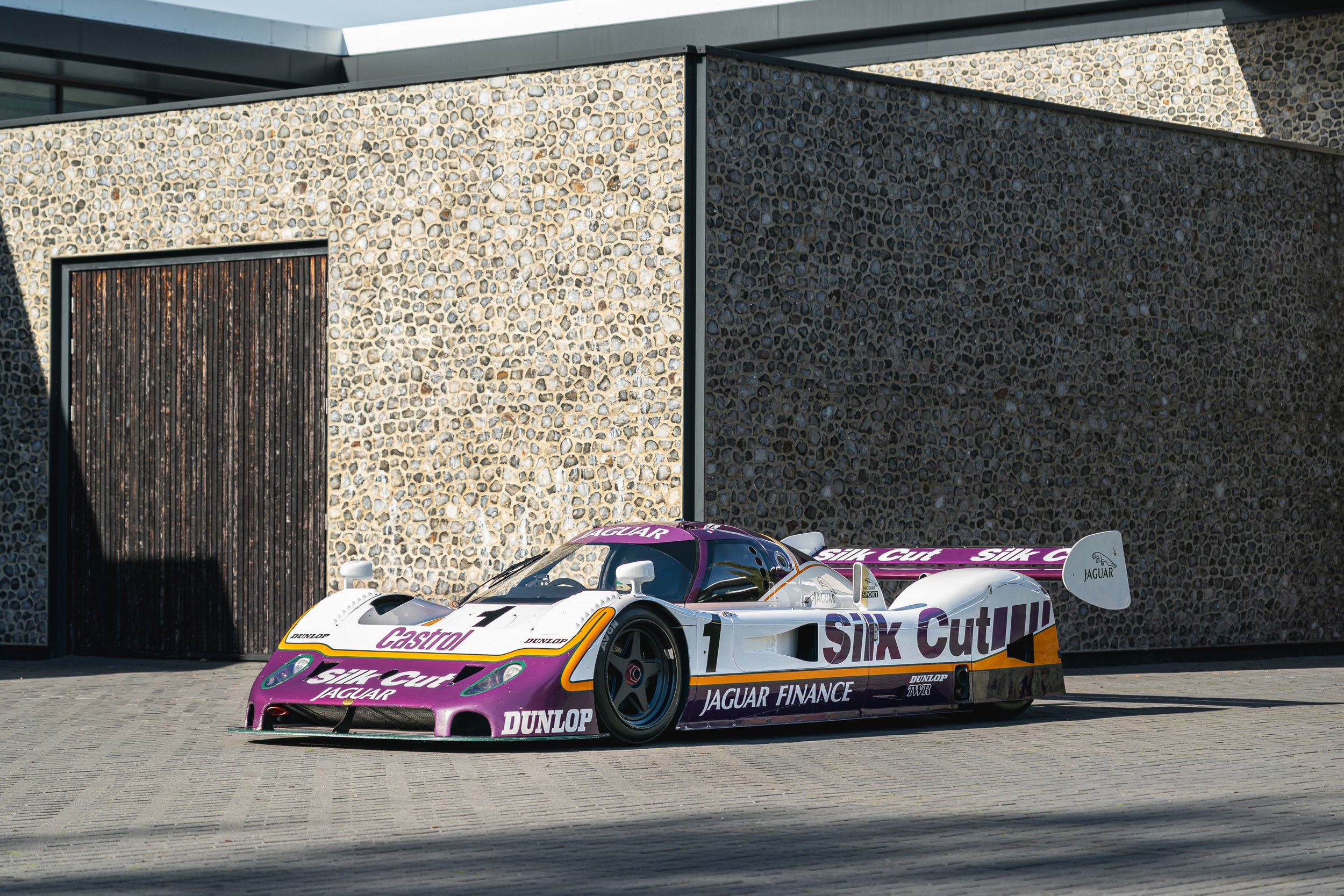
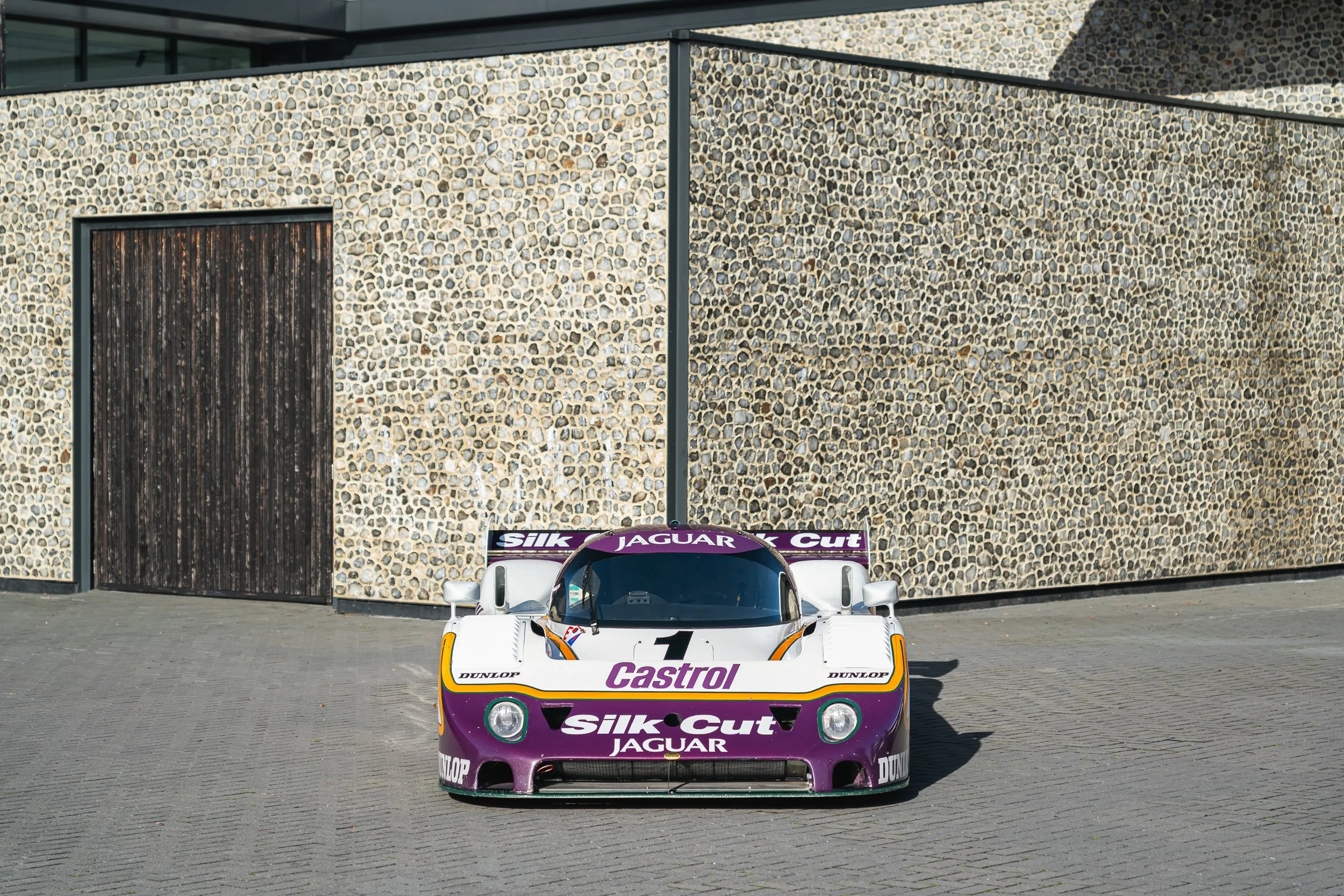
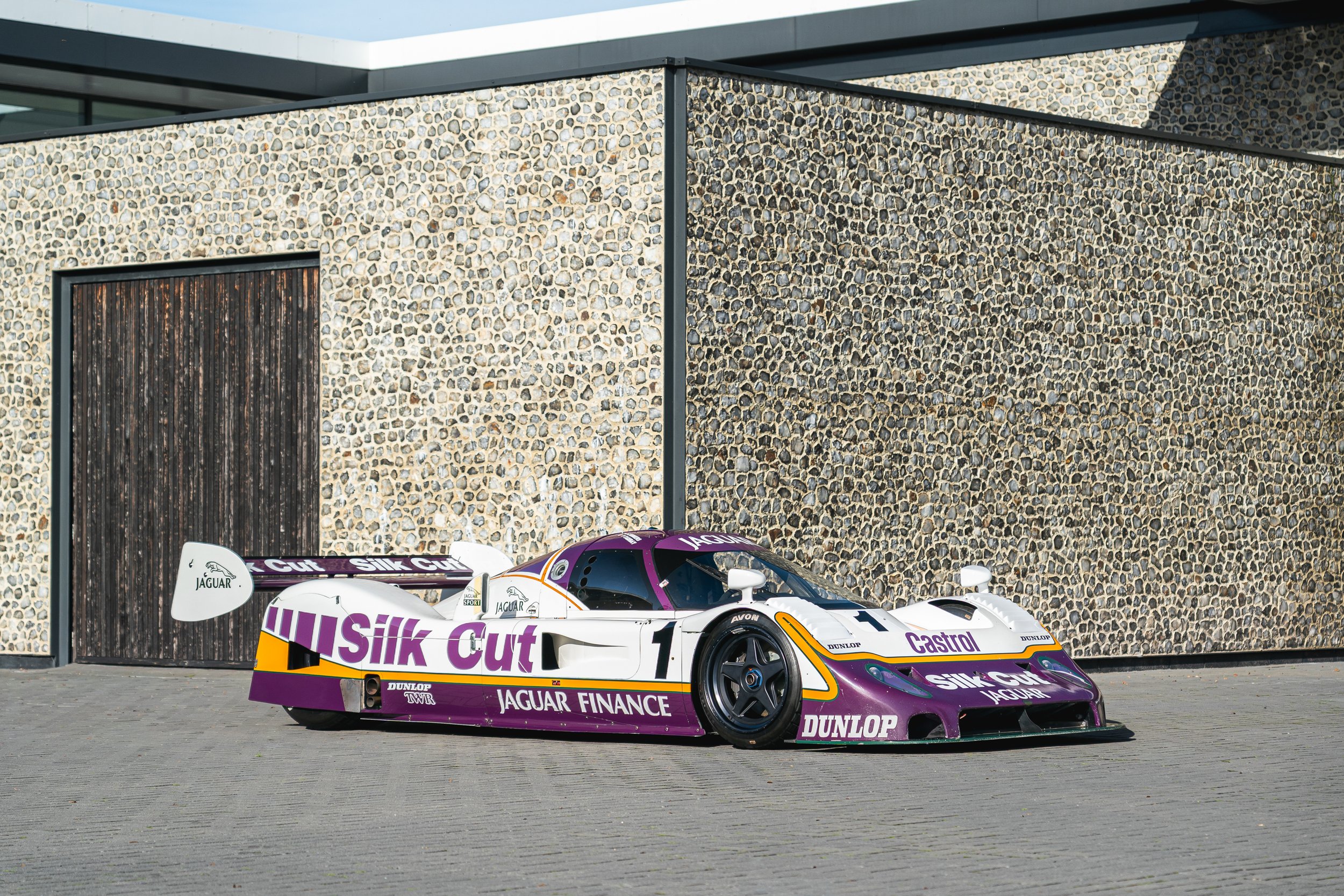
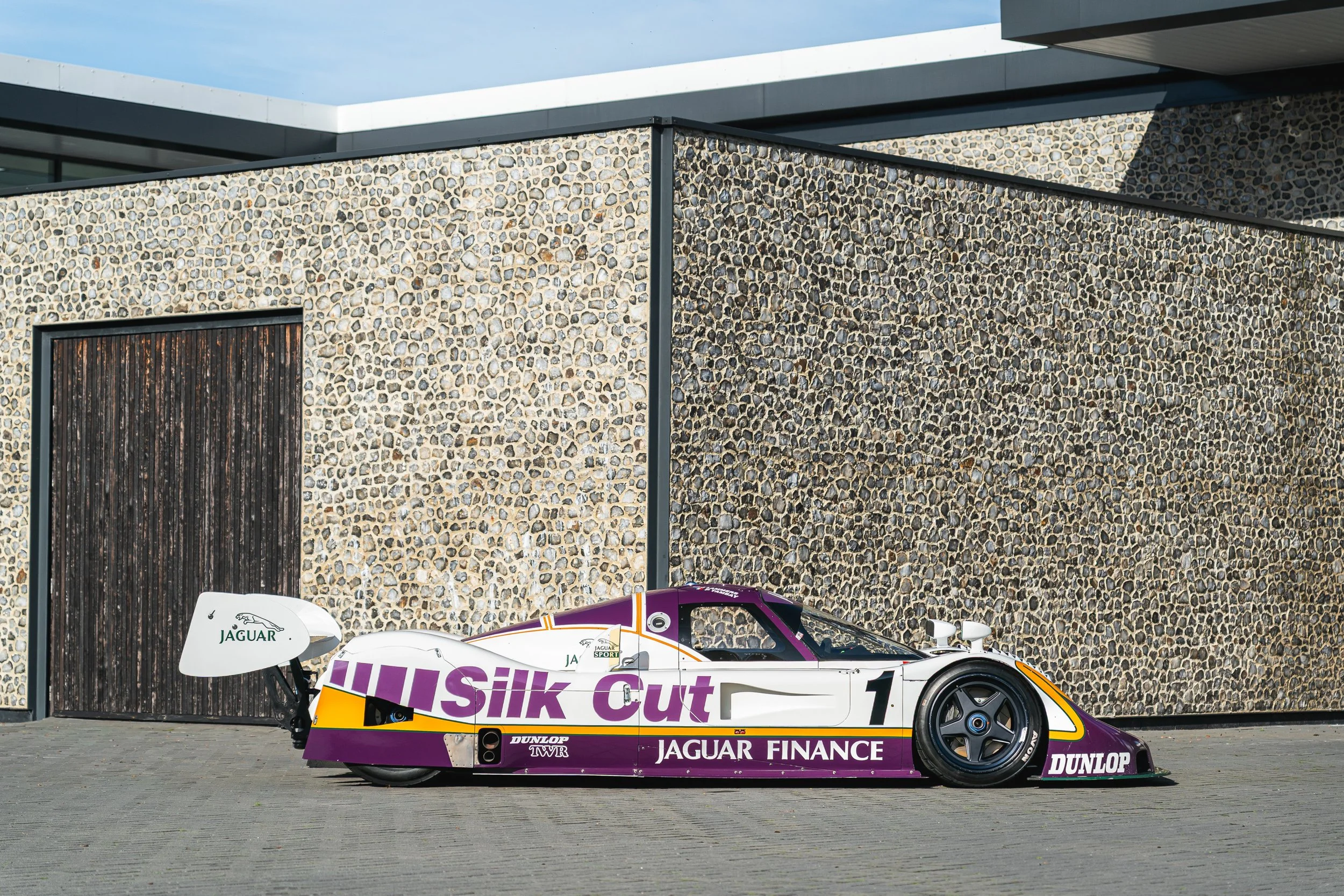
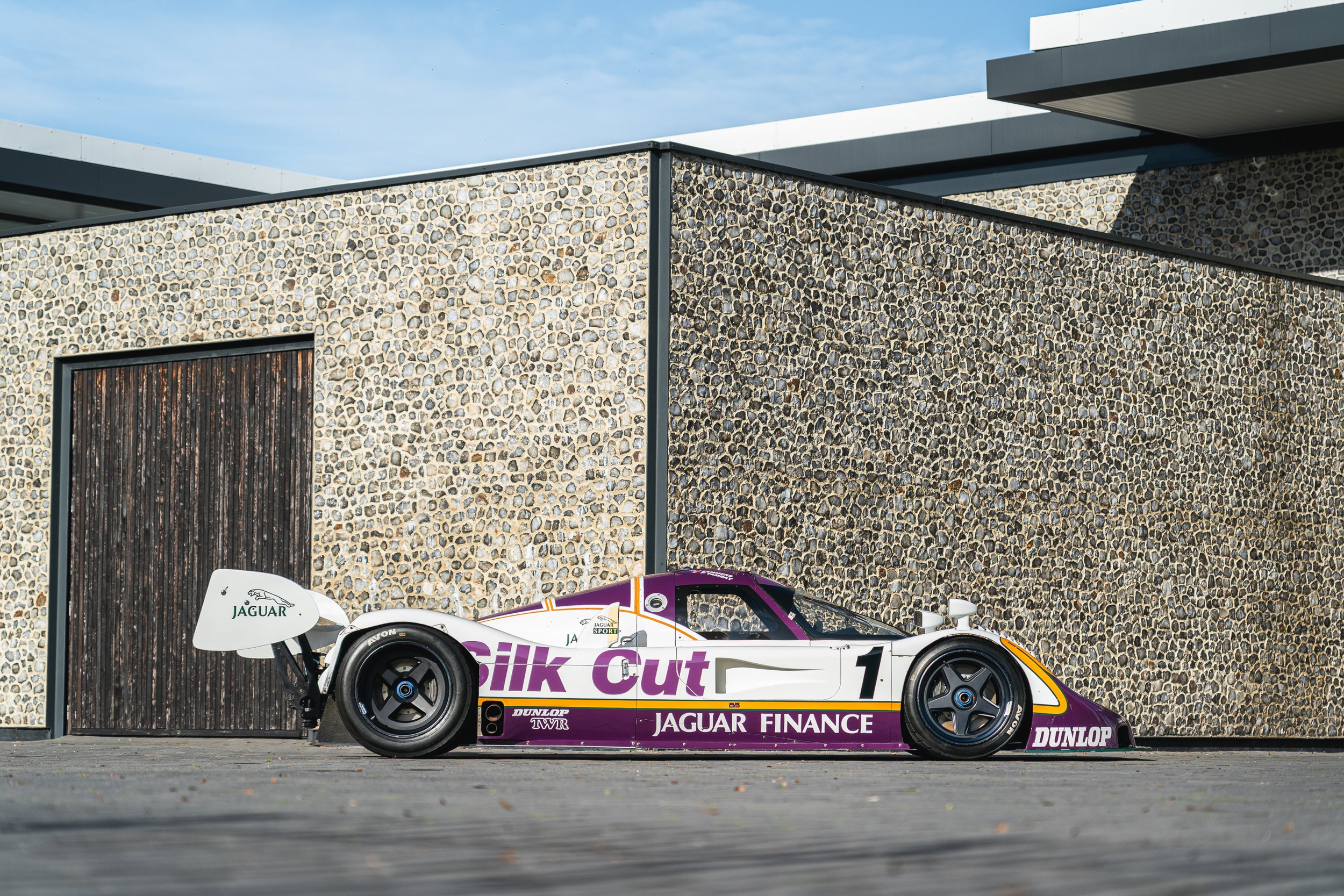
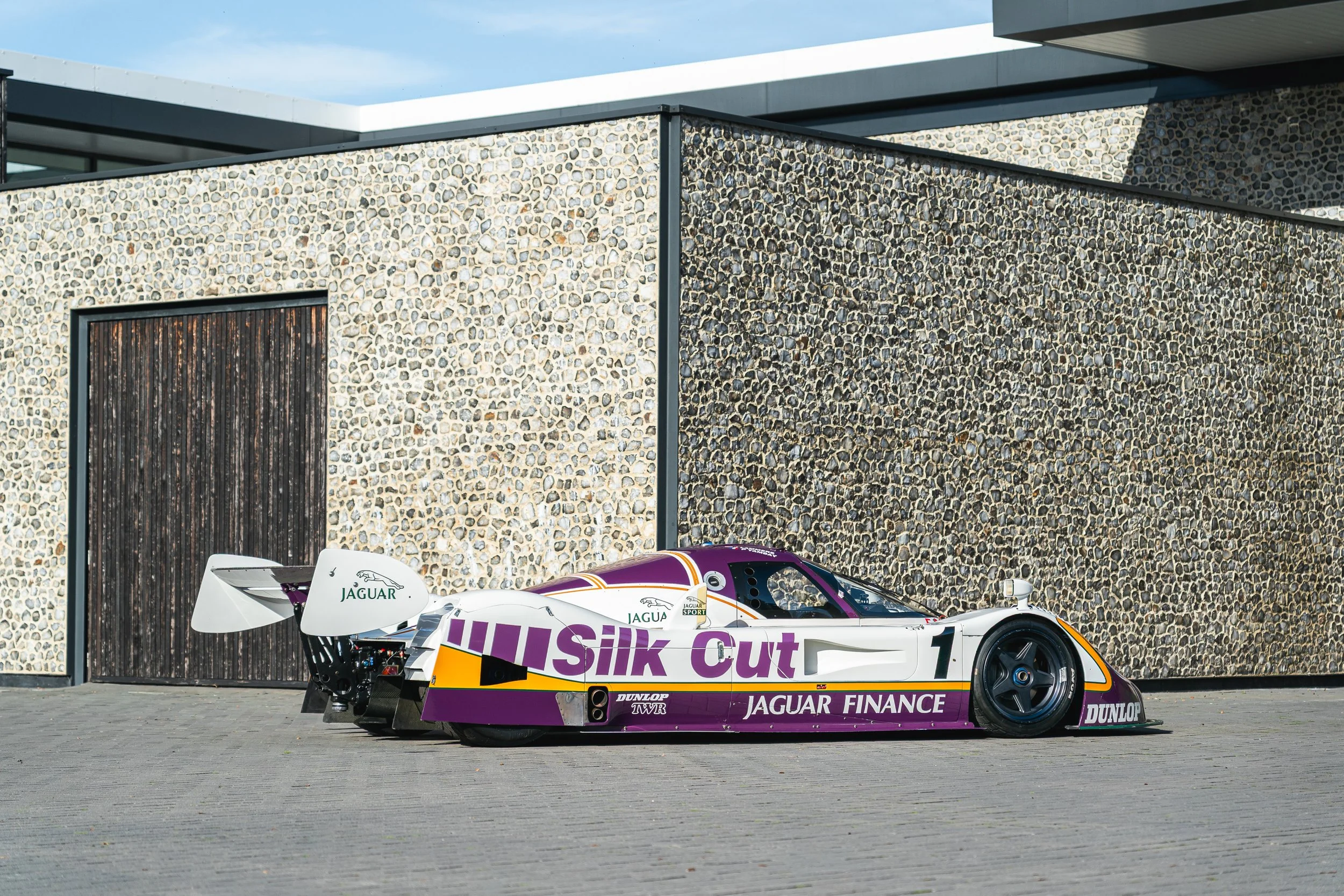
The first of only three works XJR-11s, the only car to beat the all-conquering Mercedes-Benz C11 in 1990. A period pole-sitter and proven historic Group C front runner, offered freshly rebuilt, adorned in iconic Silk Cut livery.
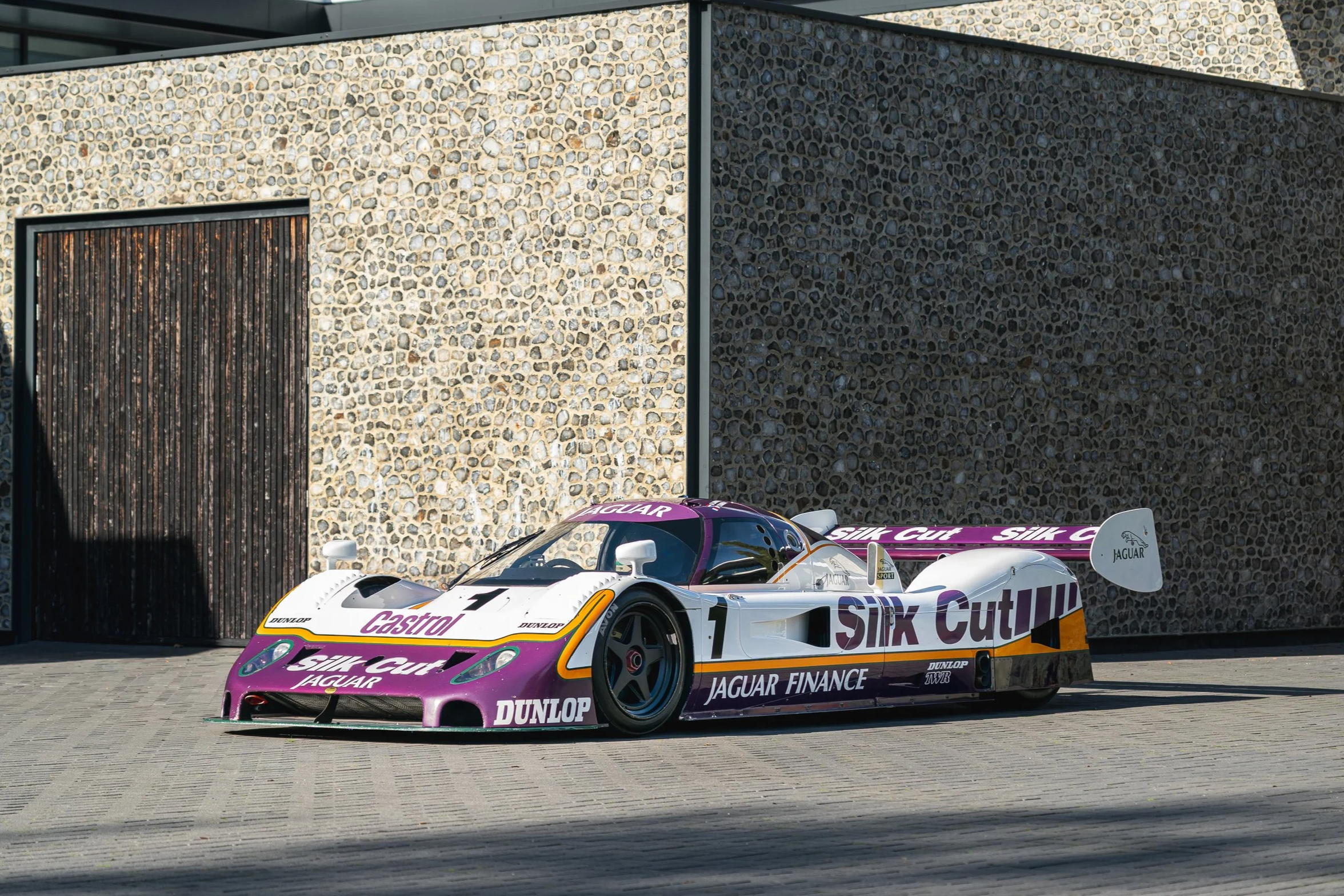
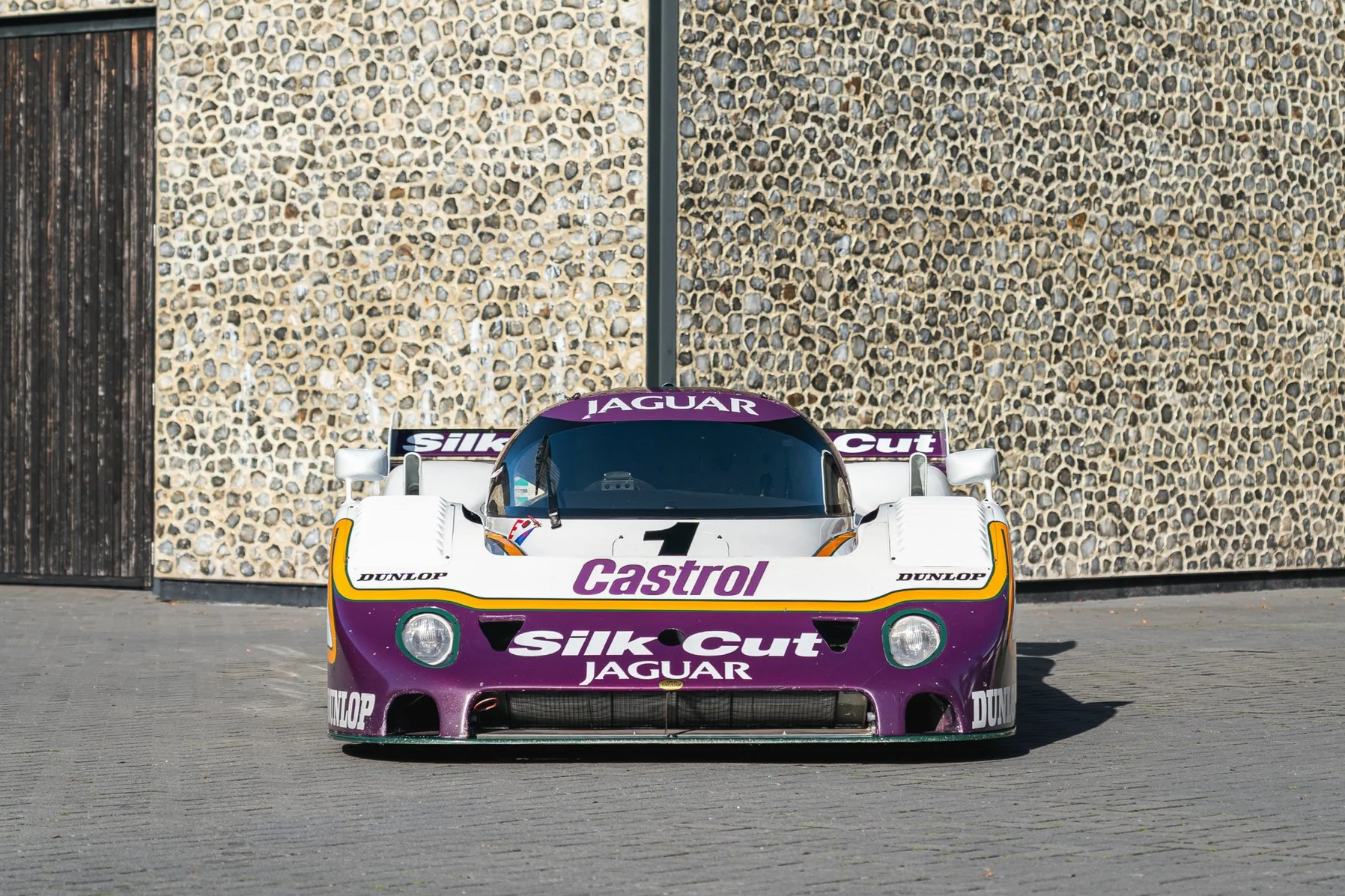
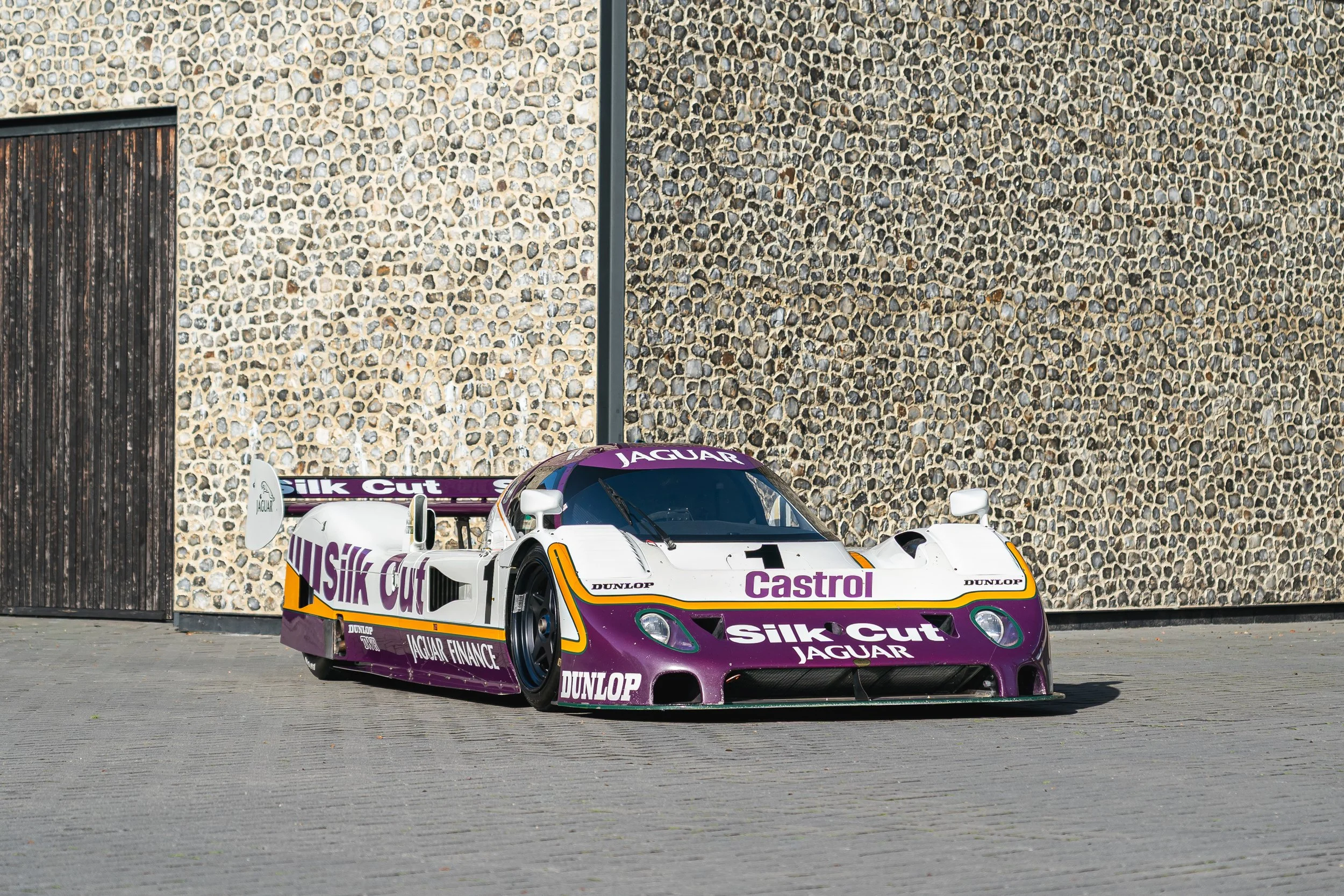

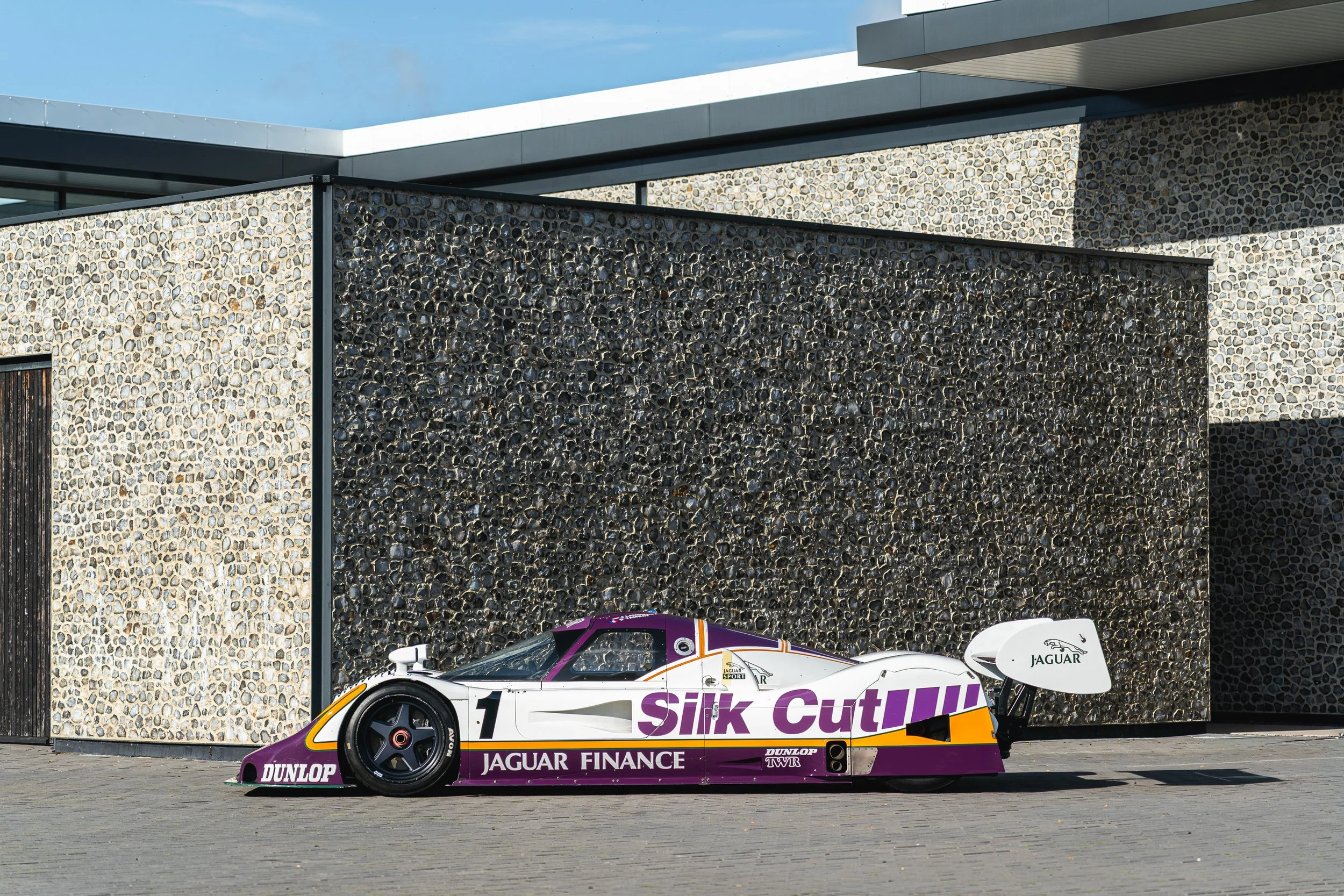
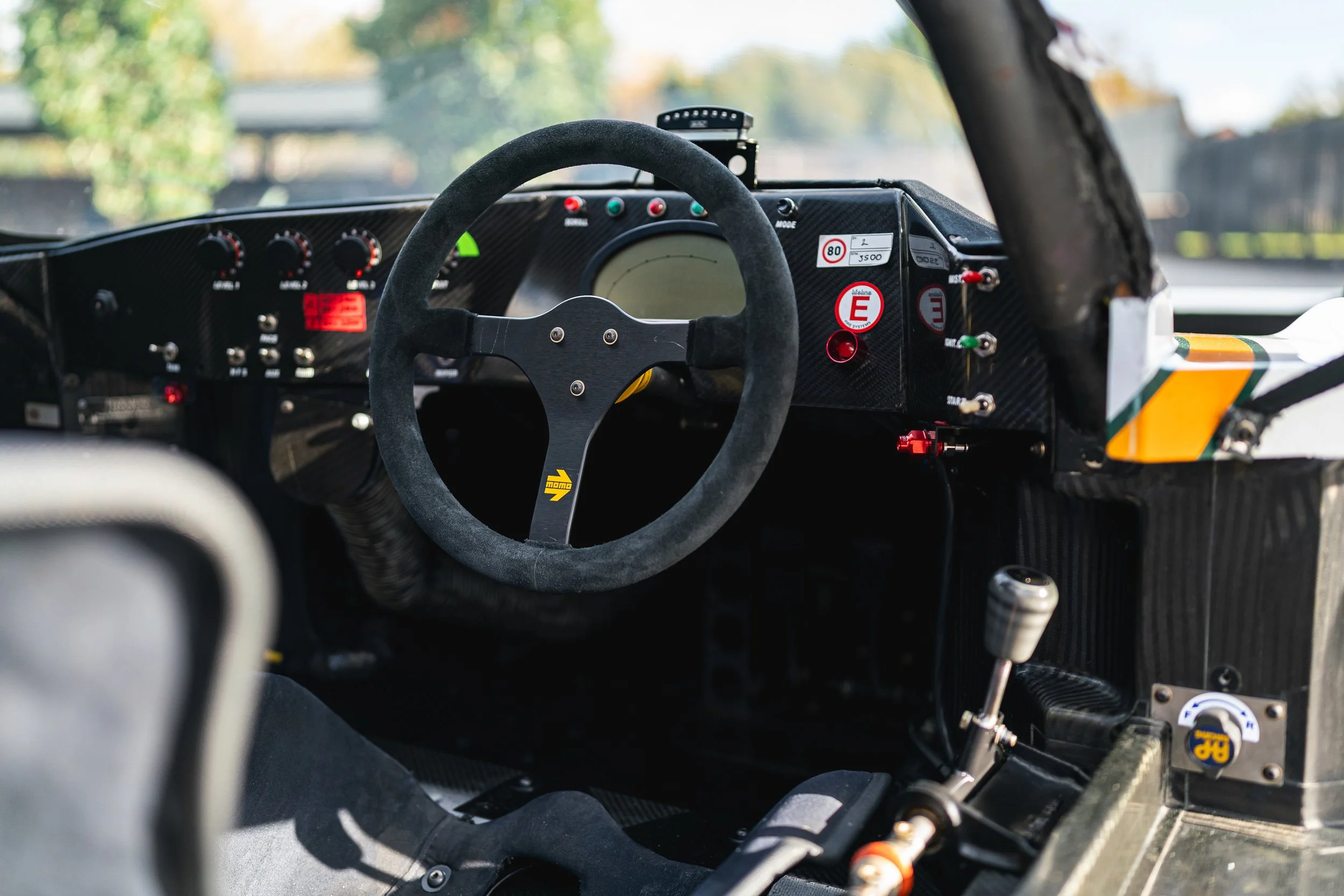
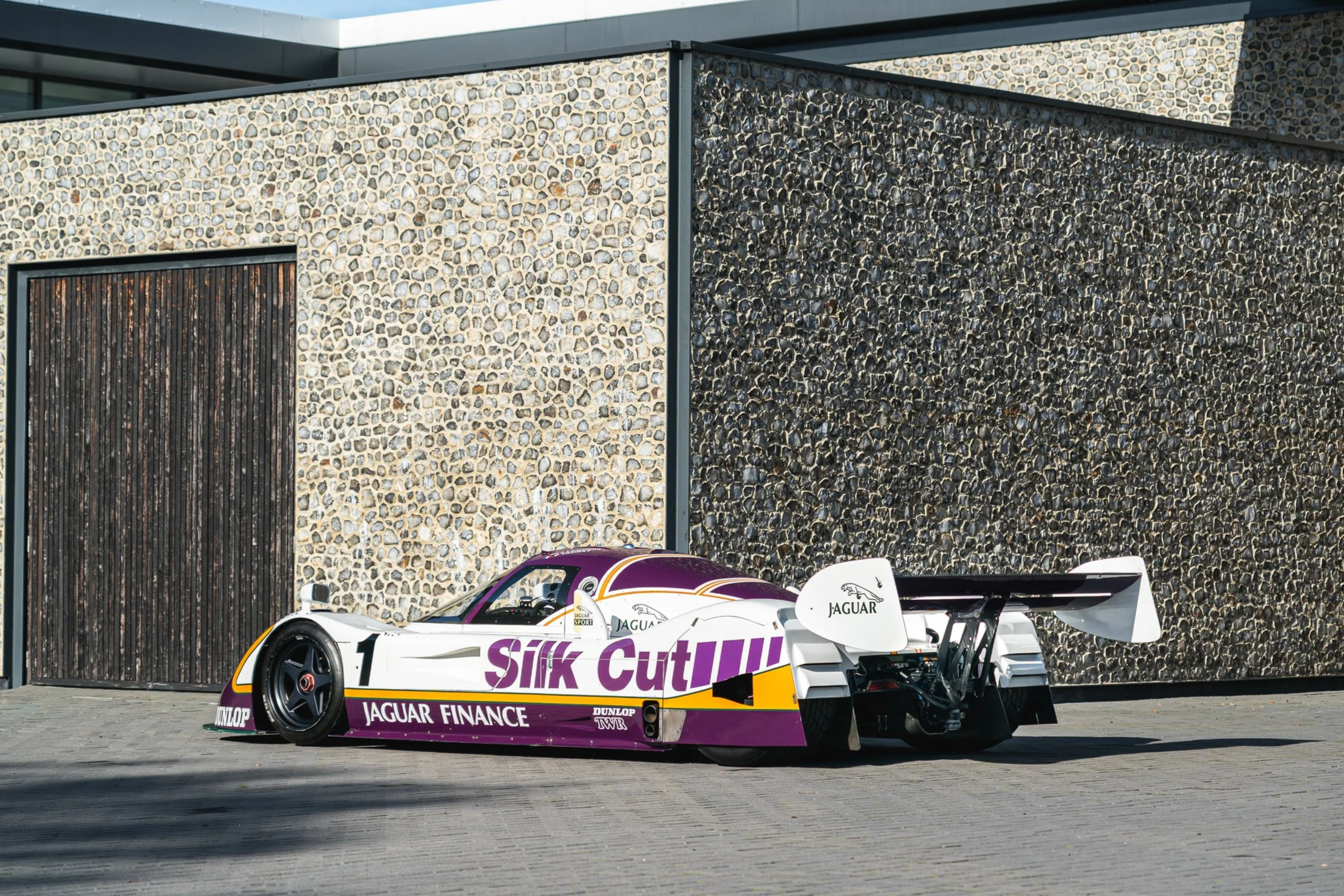
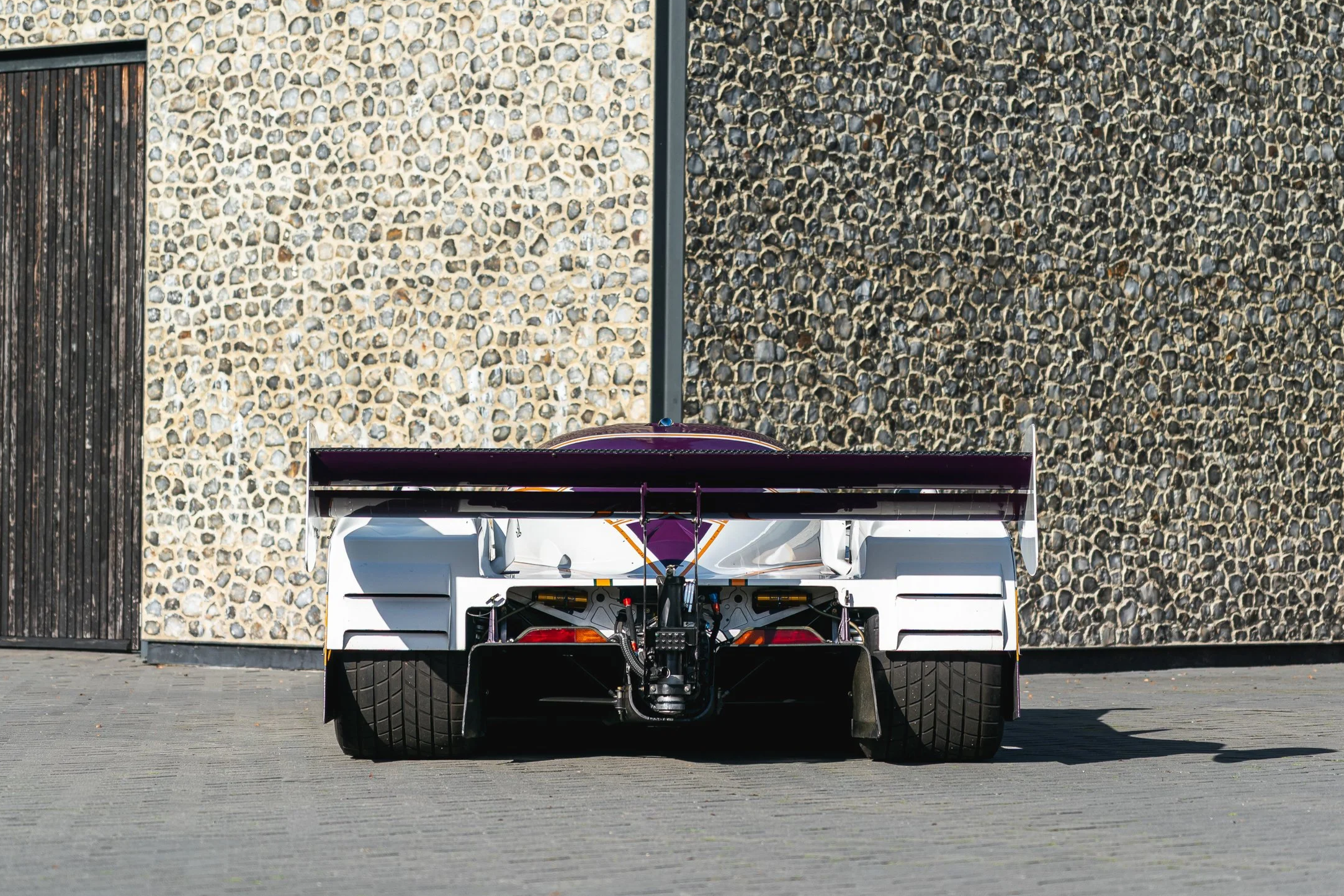
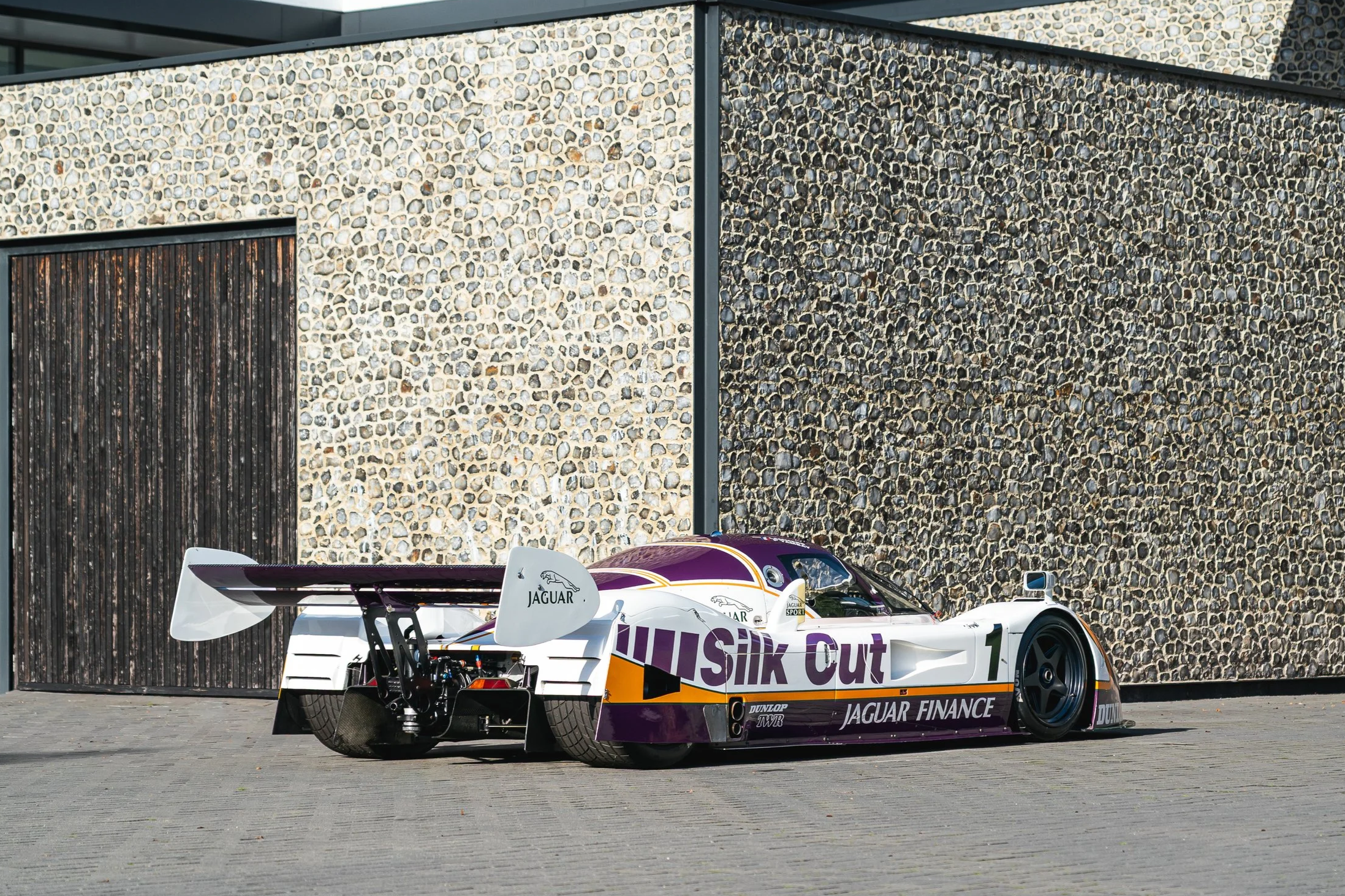
OverviewOne of only three XJR-11 Group C racers built for the World Sports-Prototype Championship
The only model to beat the all-conquering Mercedes-Benz C11 in 1990
Full carbon-fibre composite monocoque
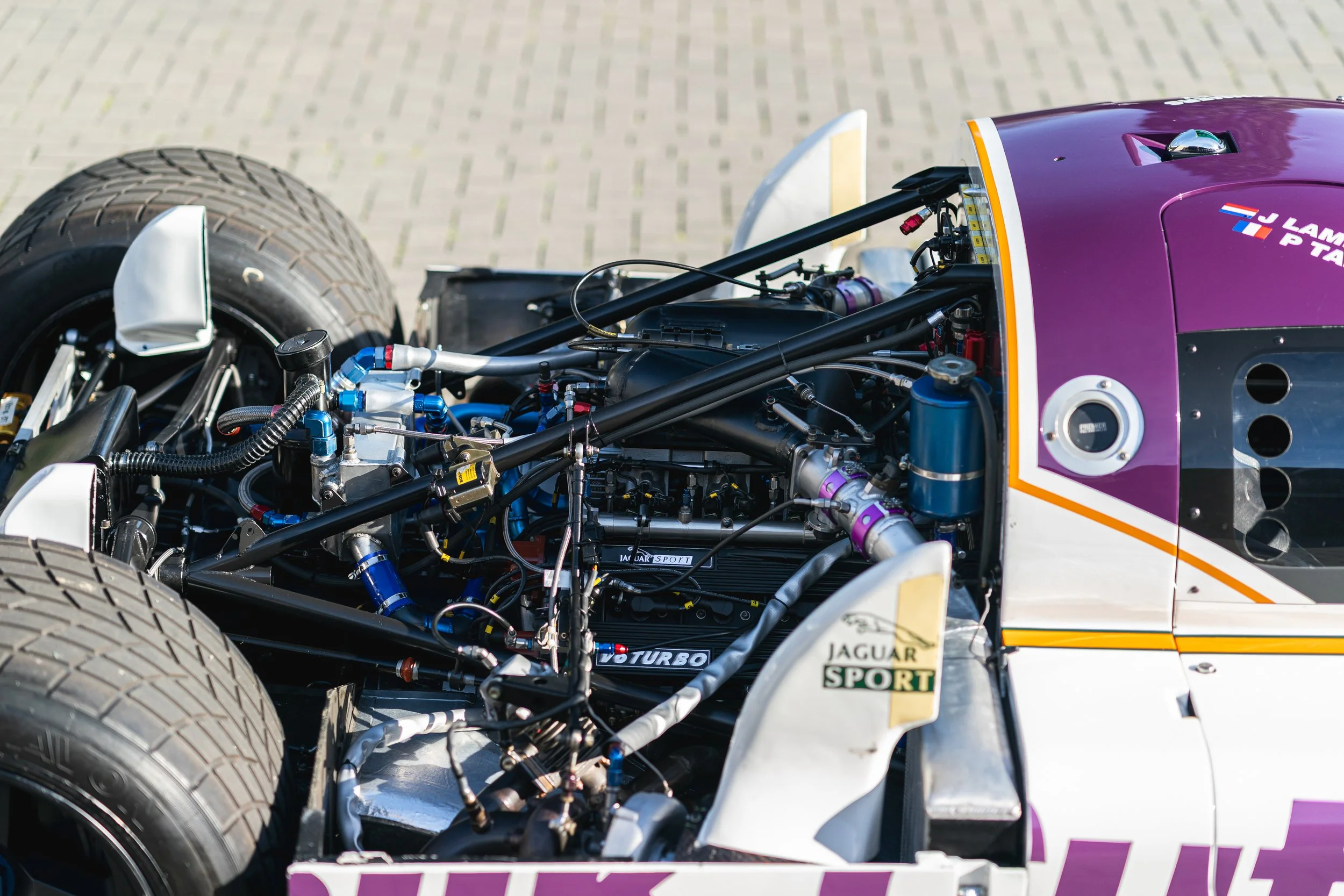
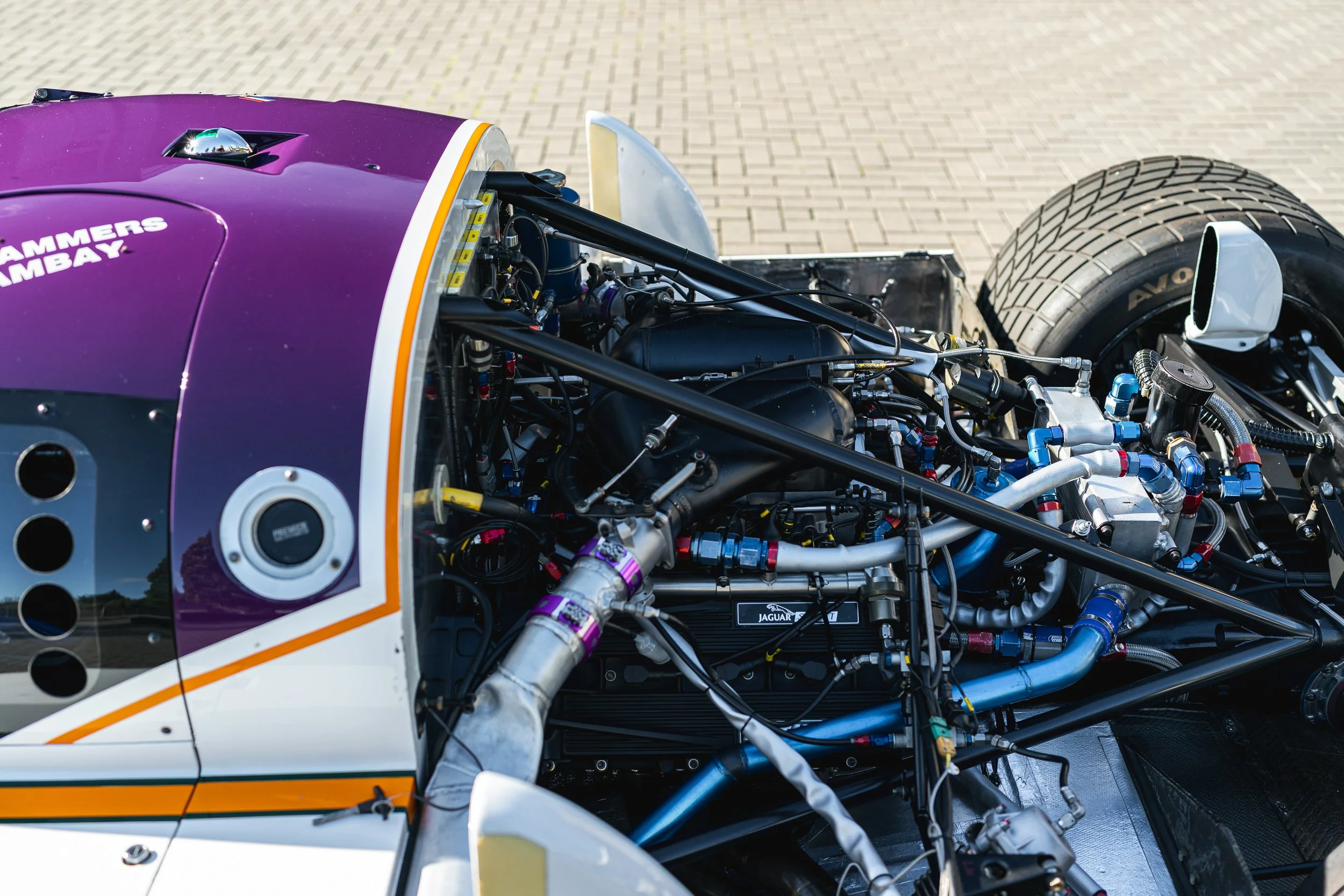
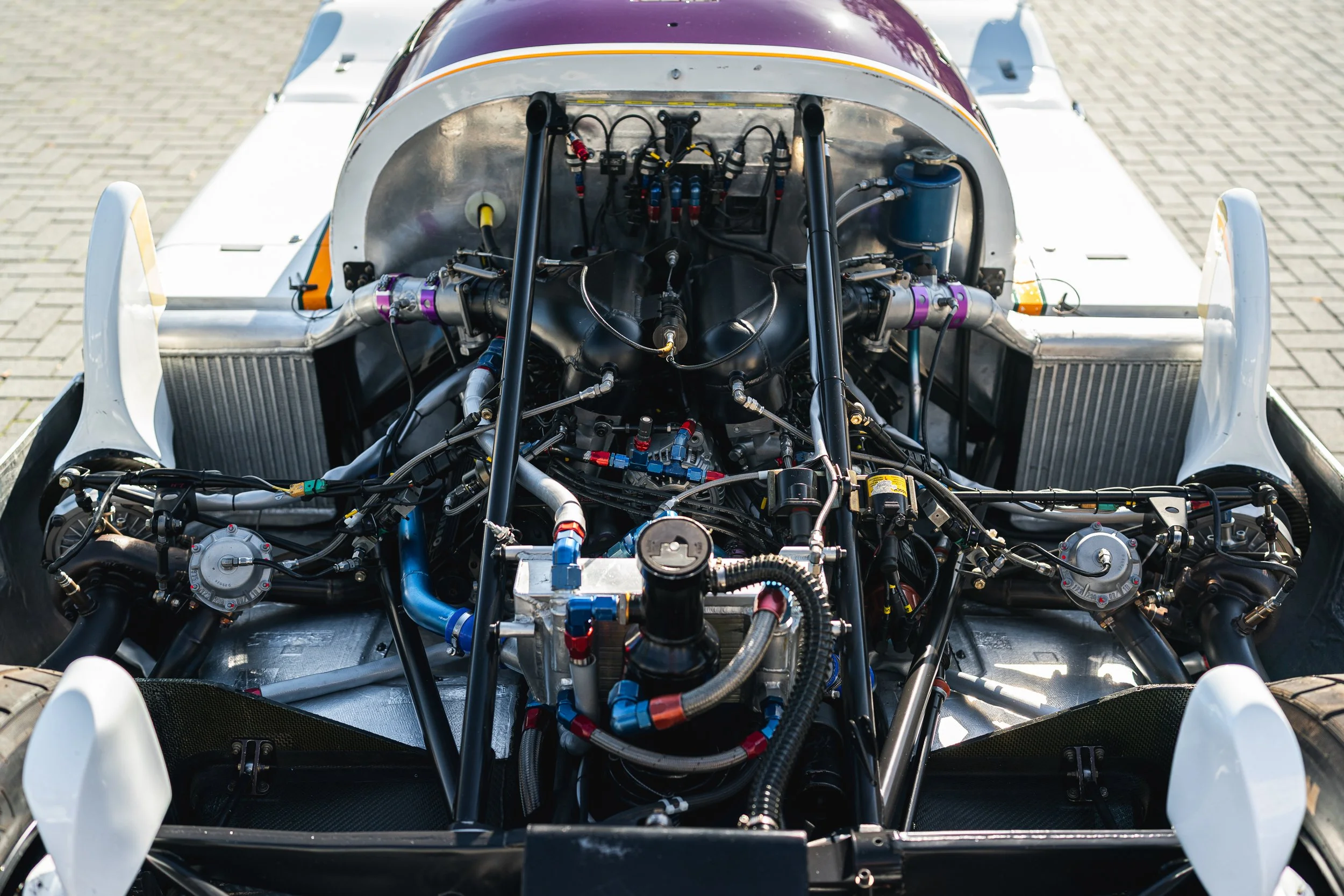
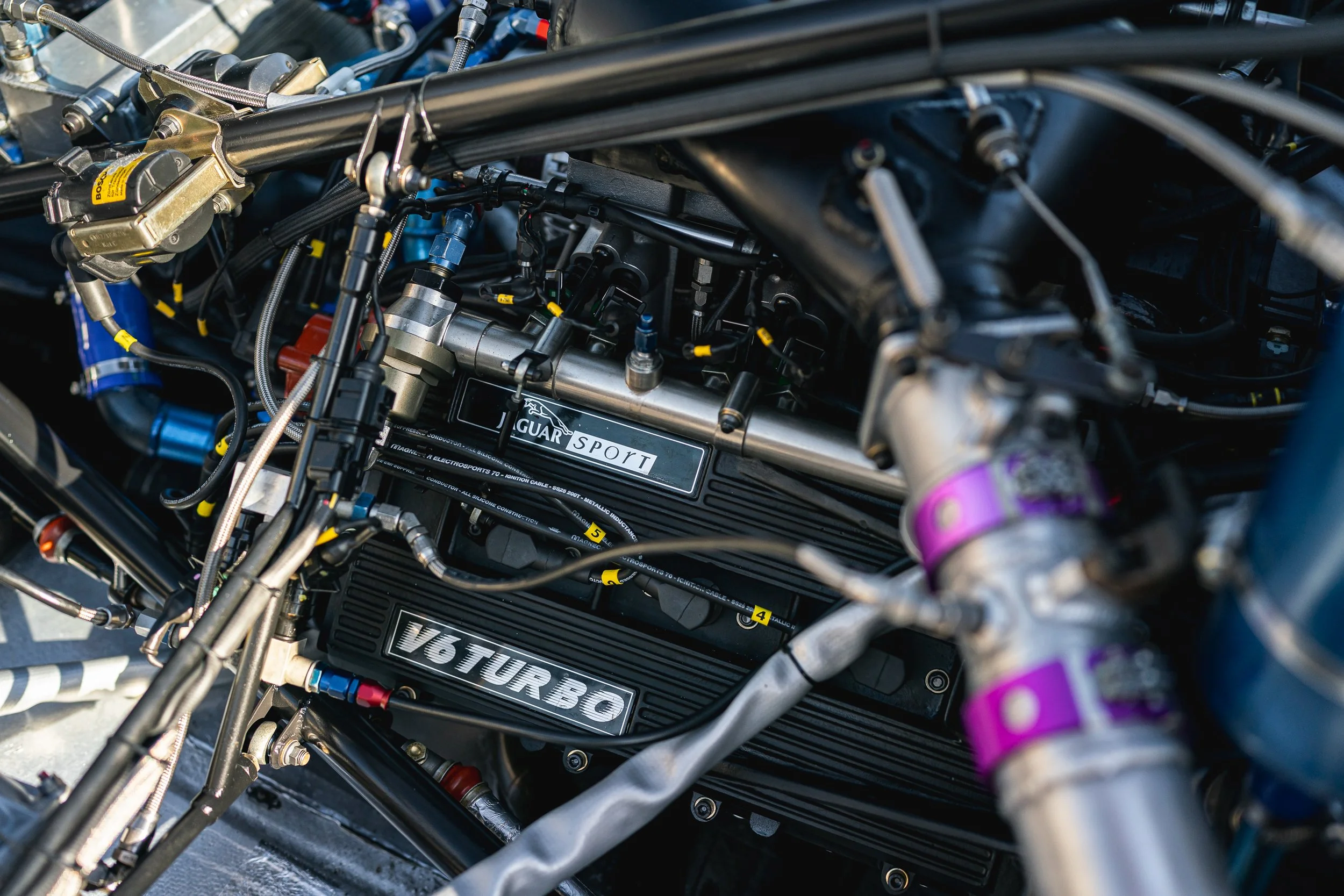
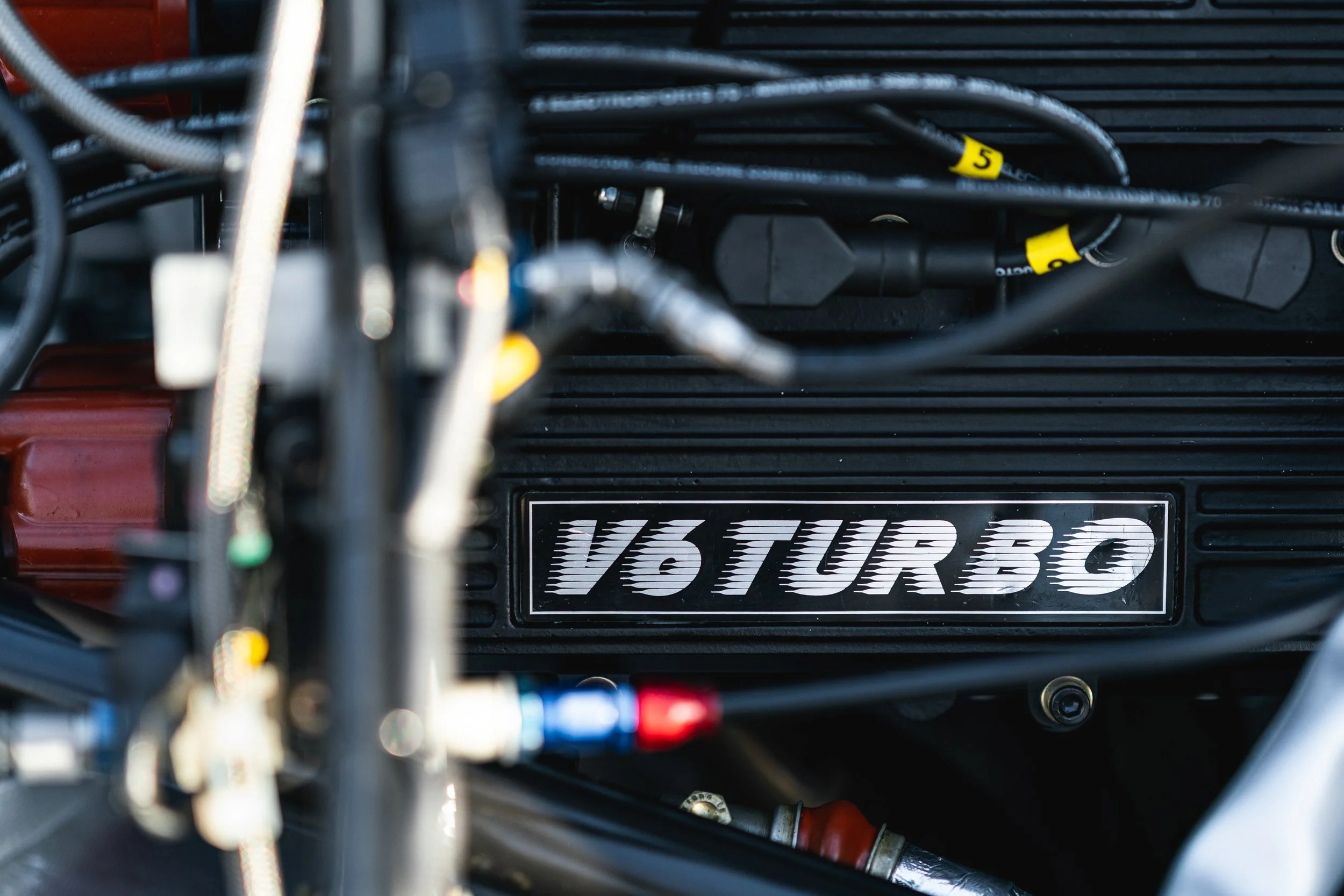
Powered by a 3.5-litre twin-turbo V6 engine, which produced in the region of 750bhp in period, with output determined by boost setting
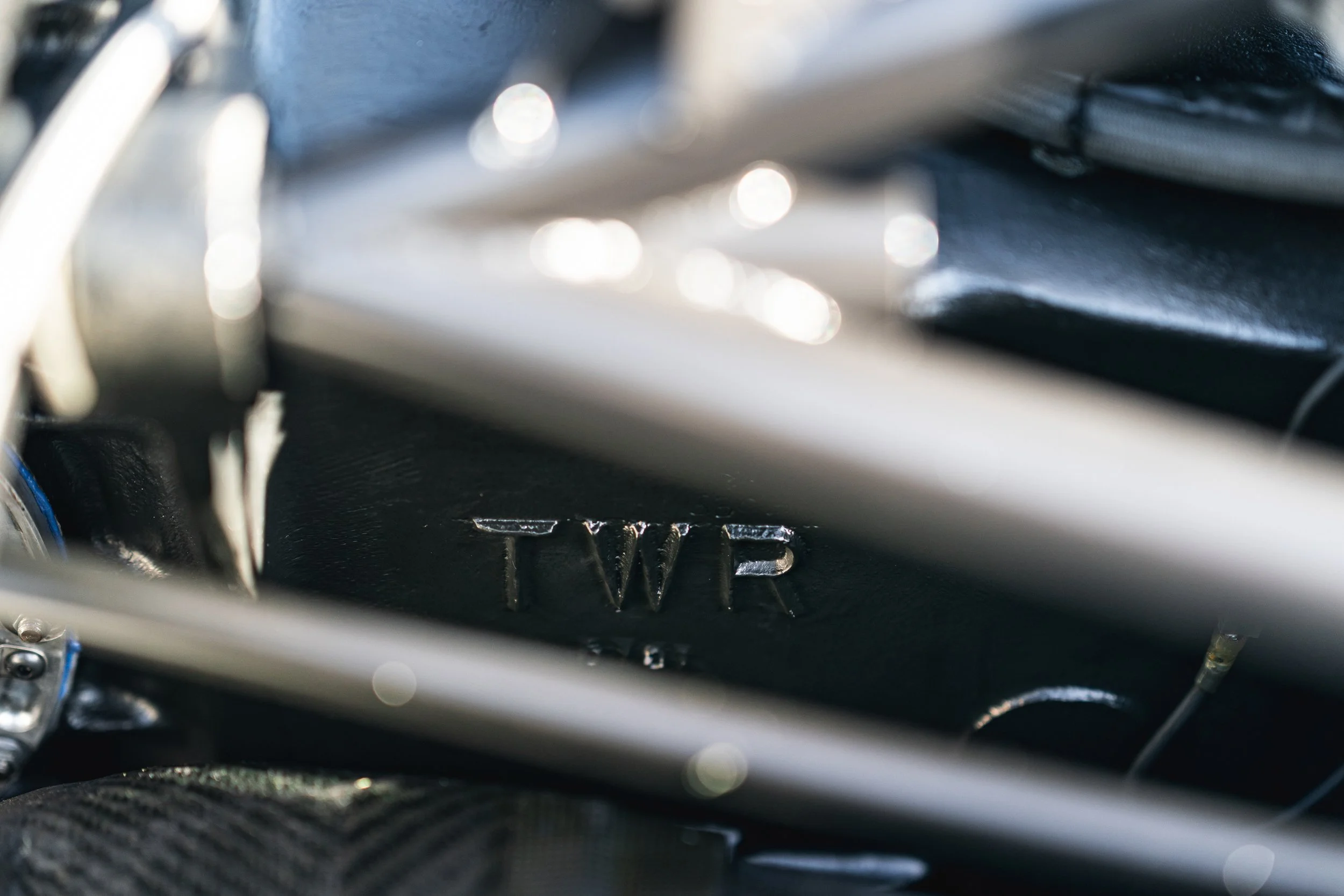
Designed by Tony Southgate with Ross Brawn for the TWR-run Jaguar Sport team
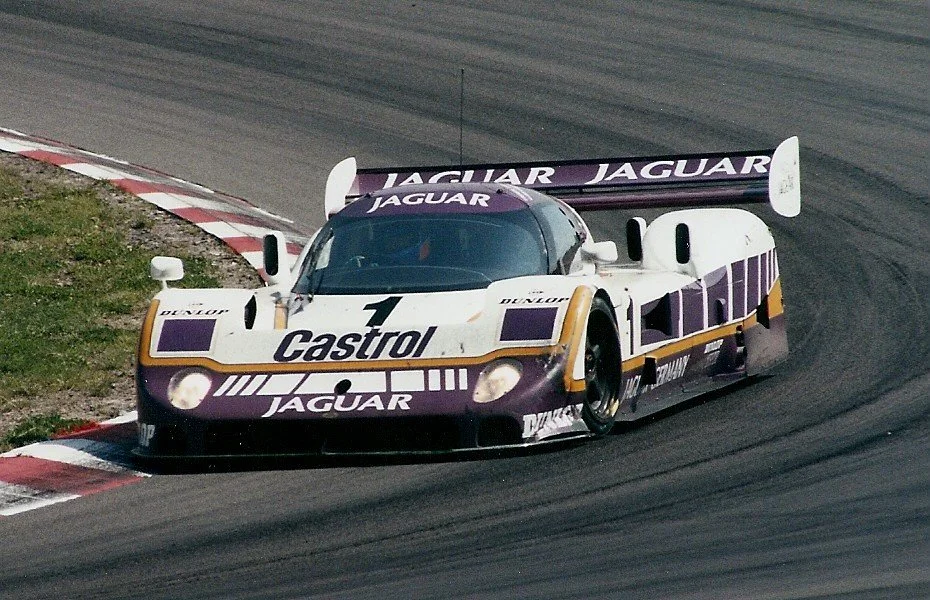
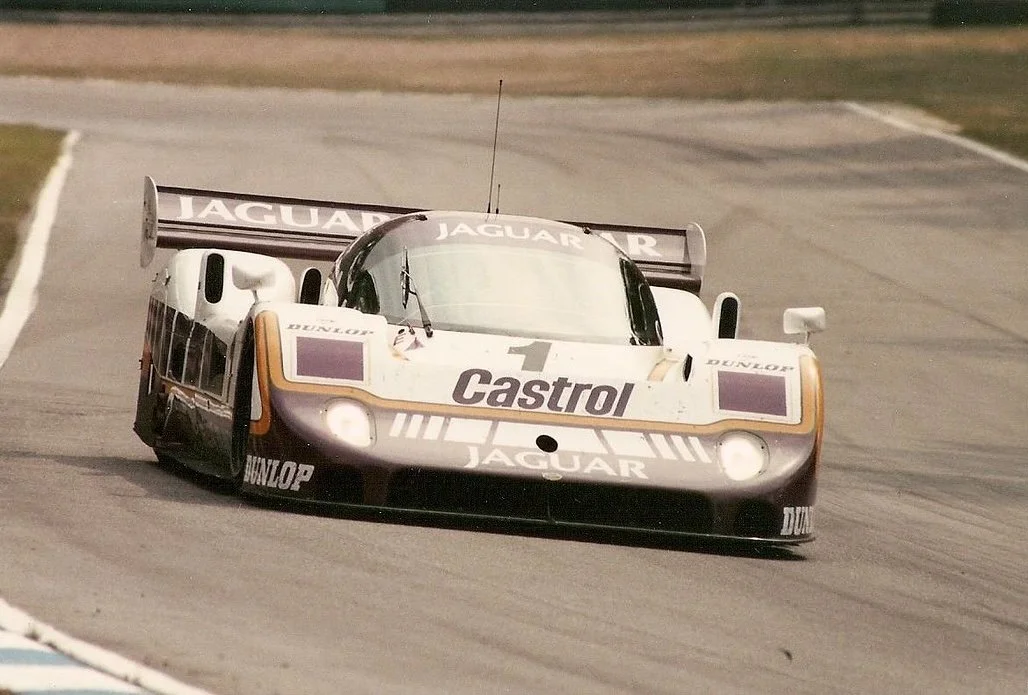
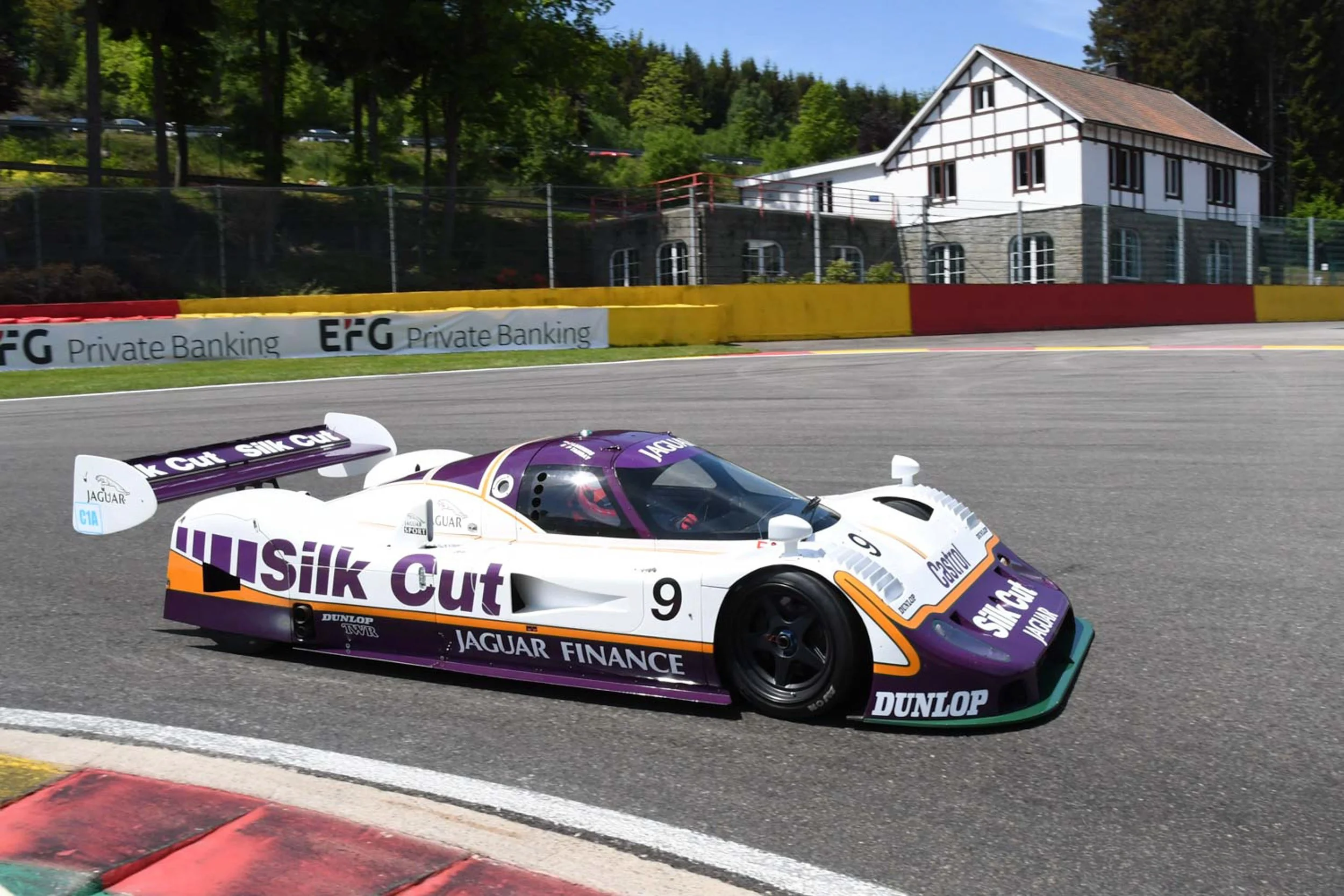
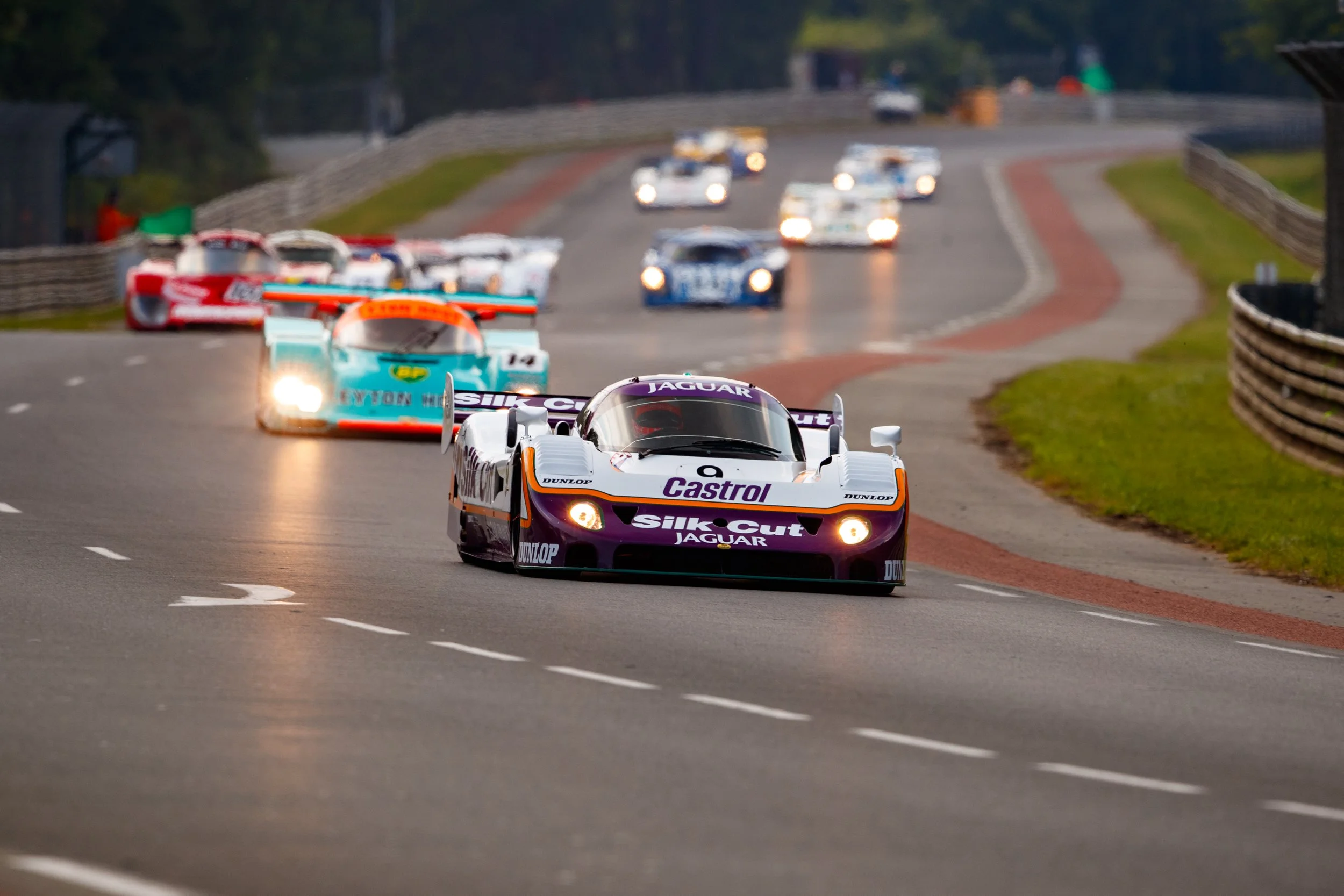
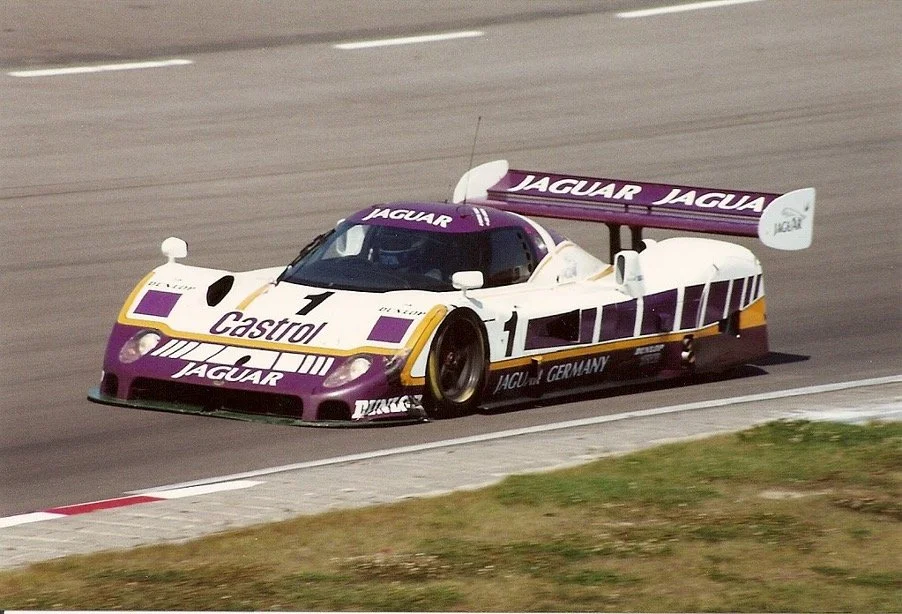
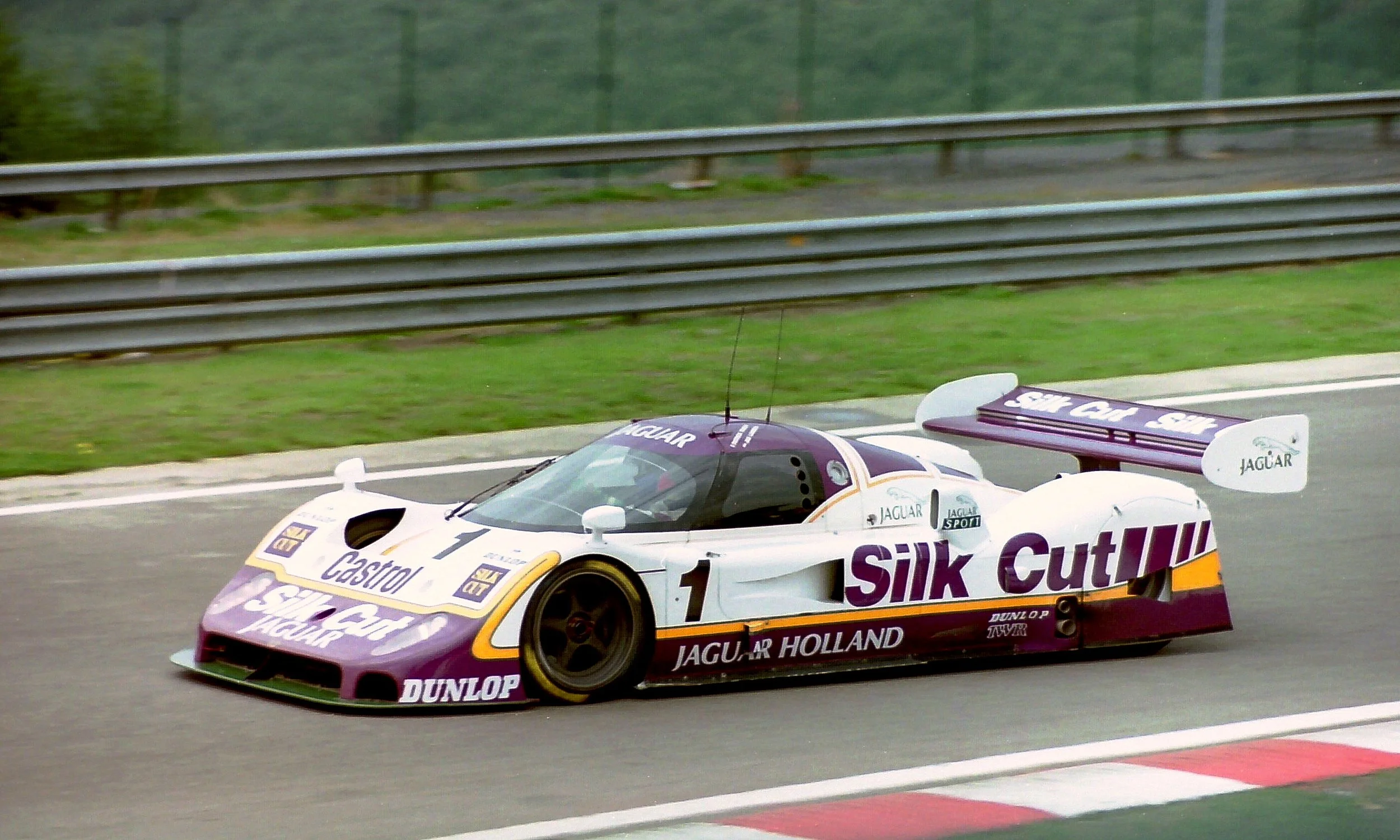
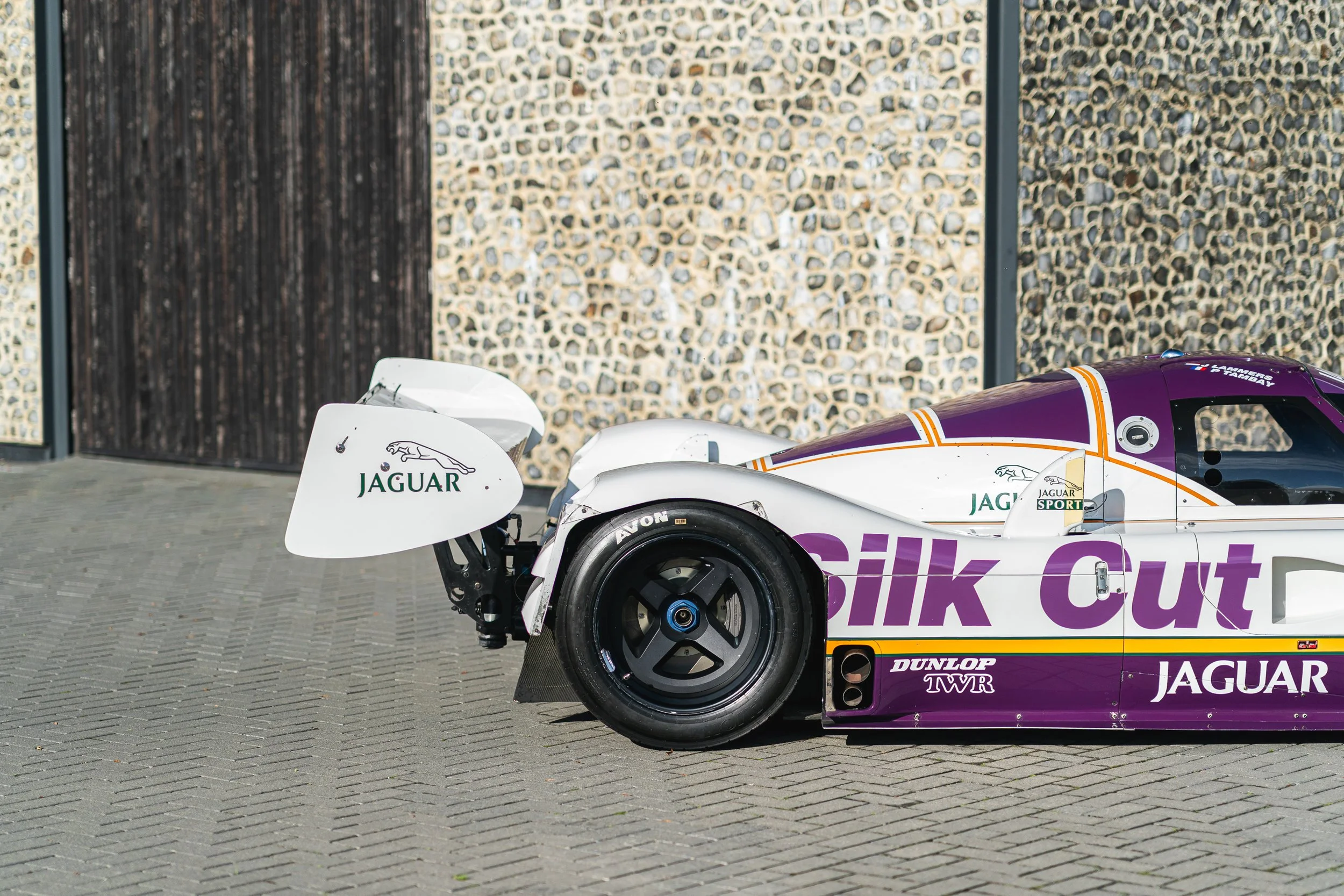
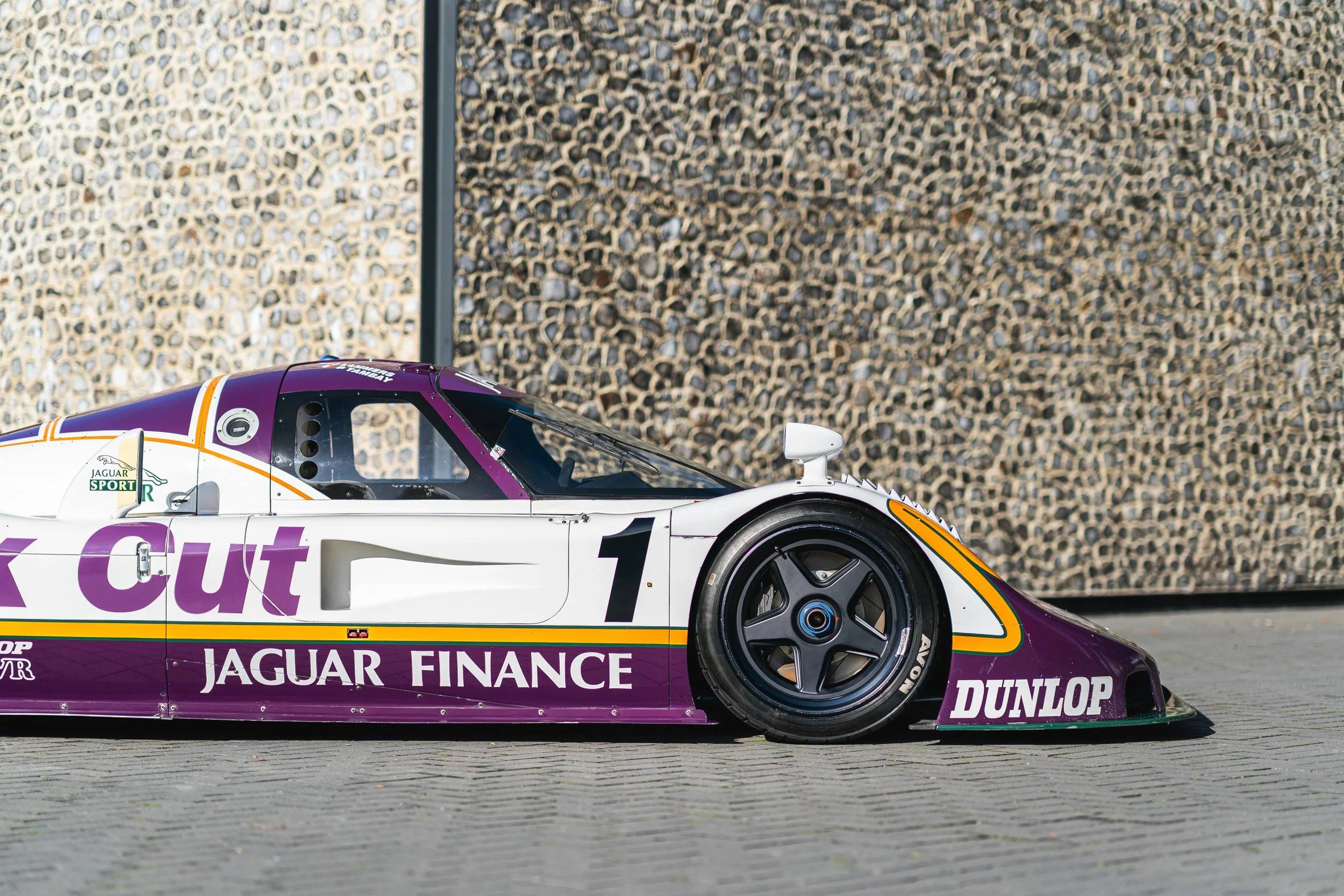
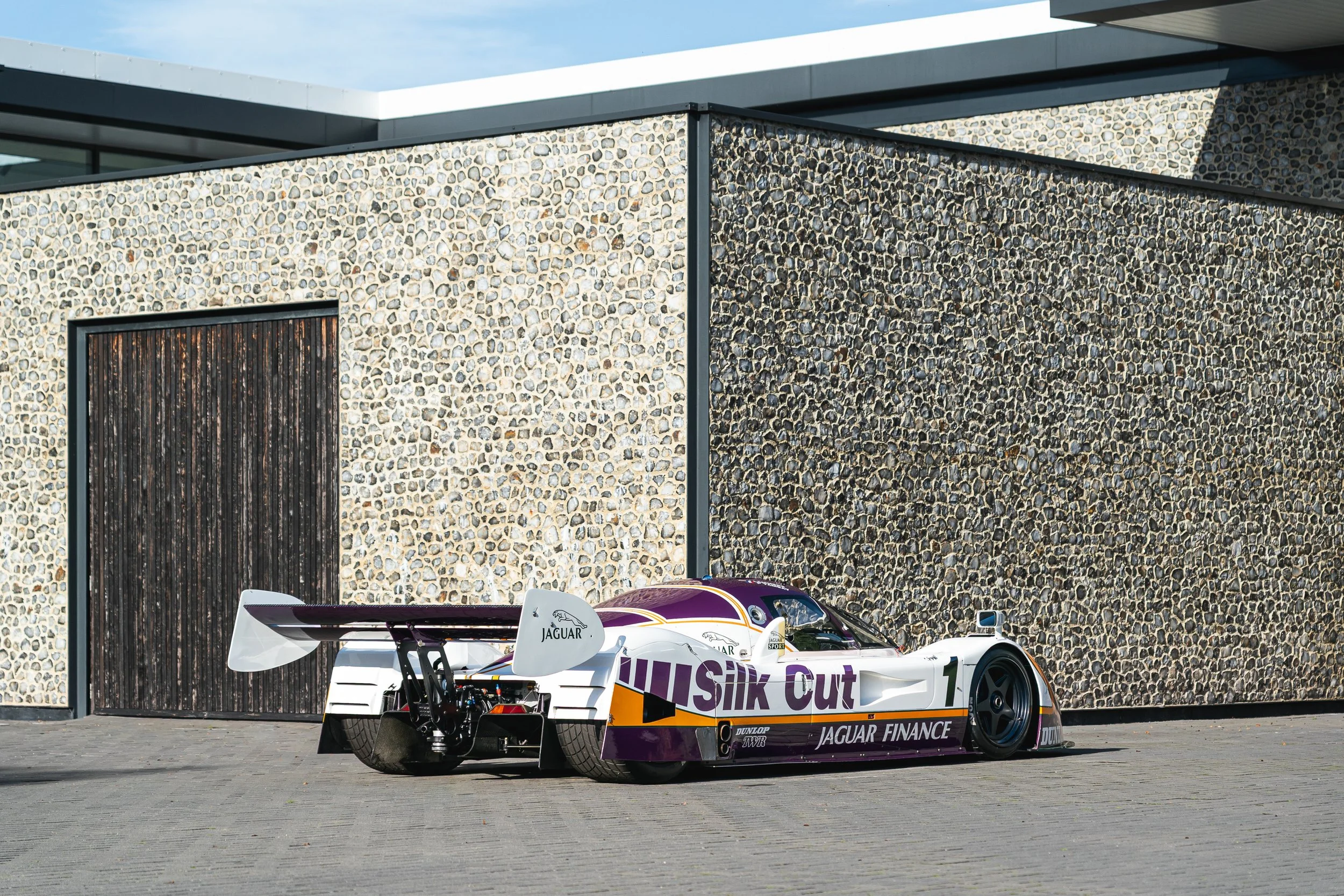
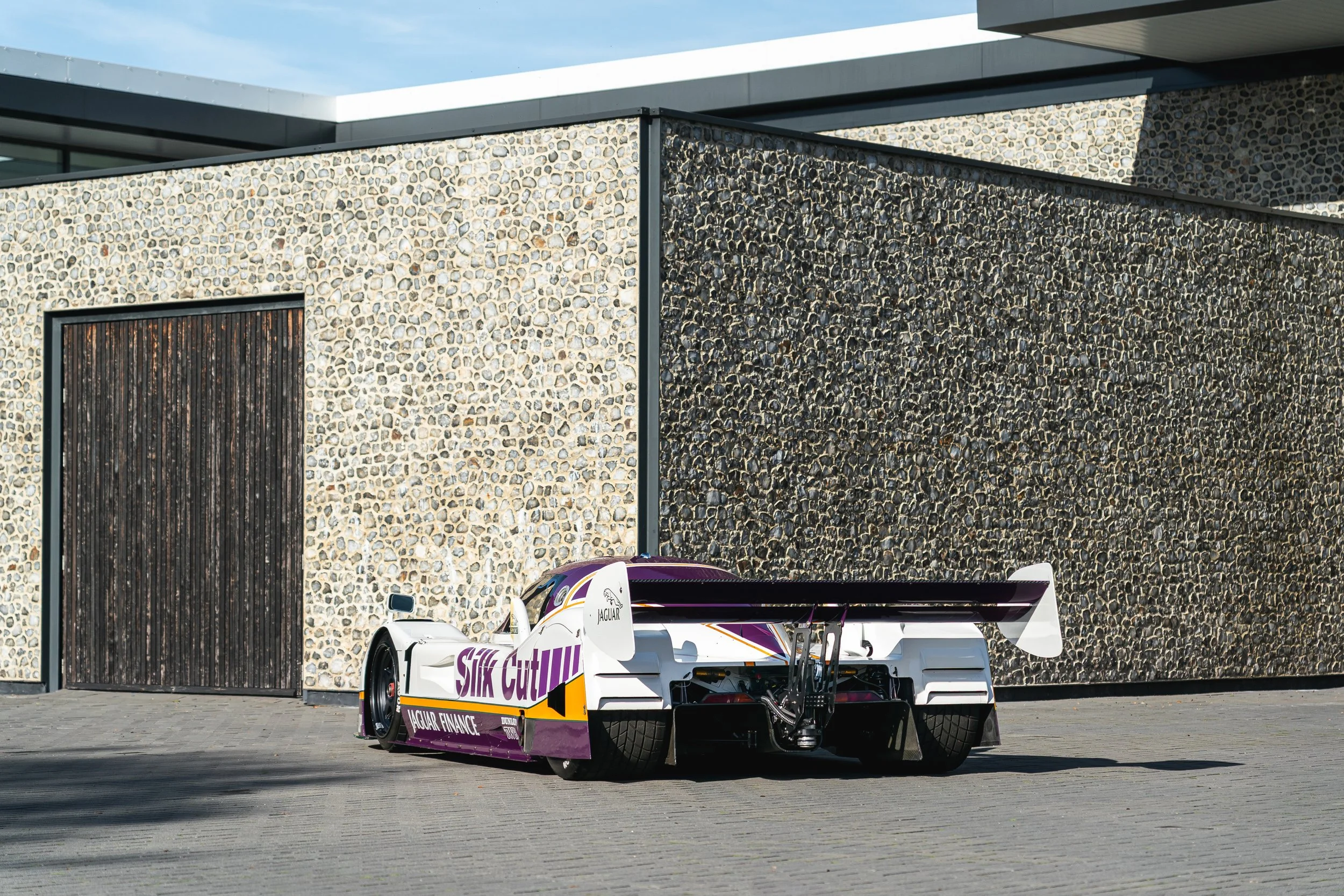
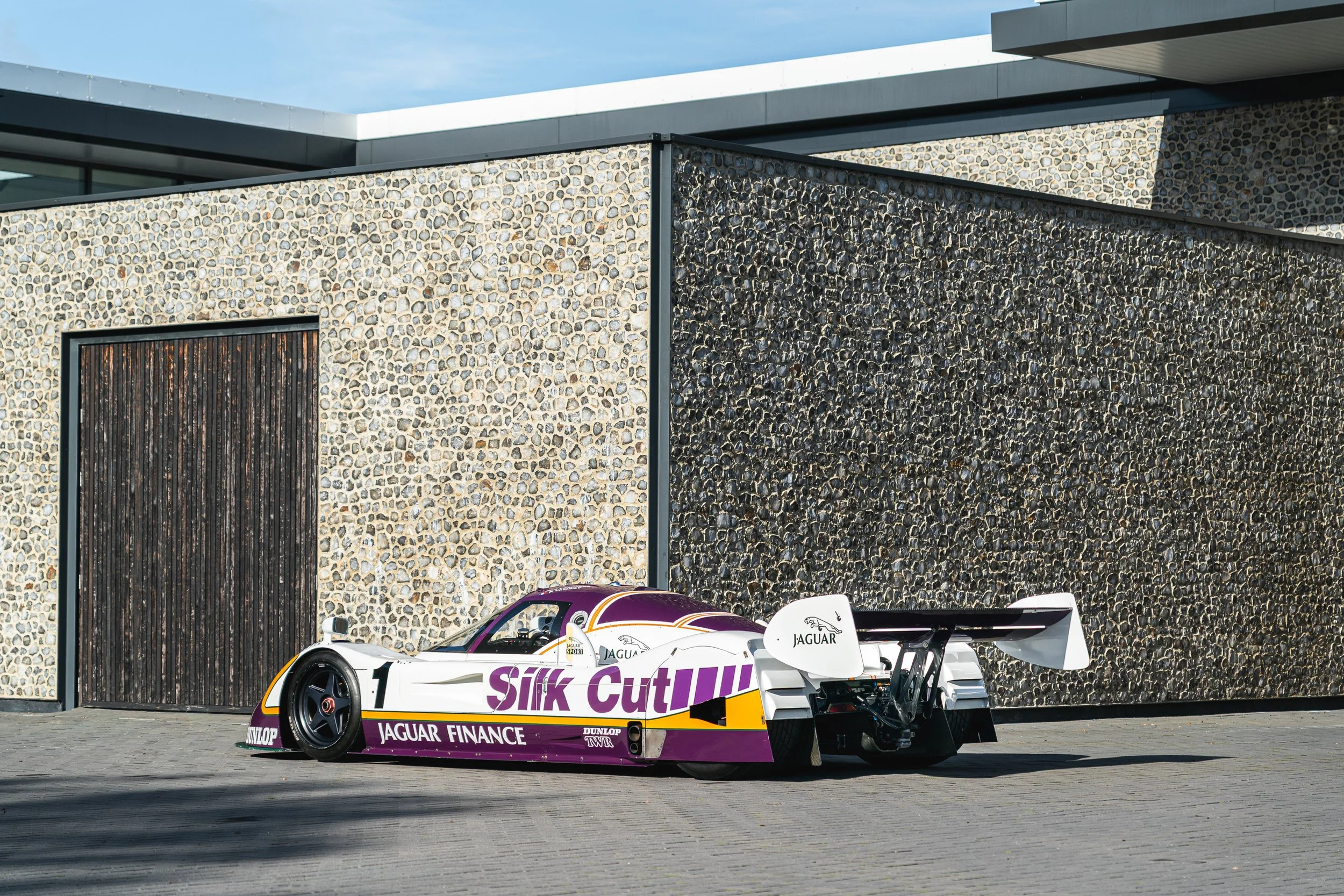
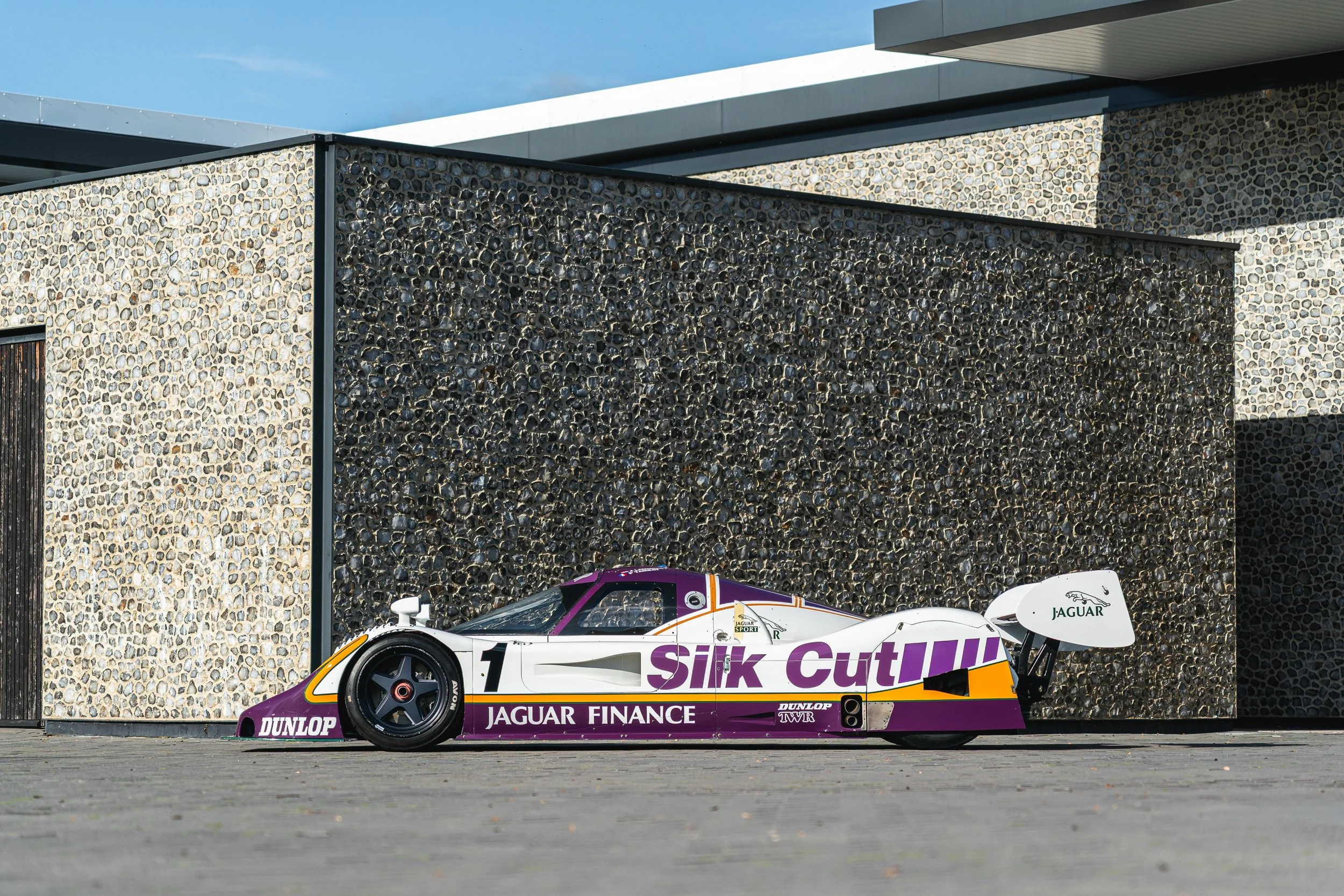
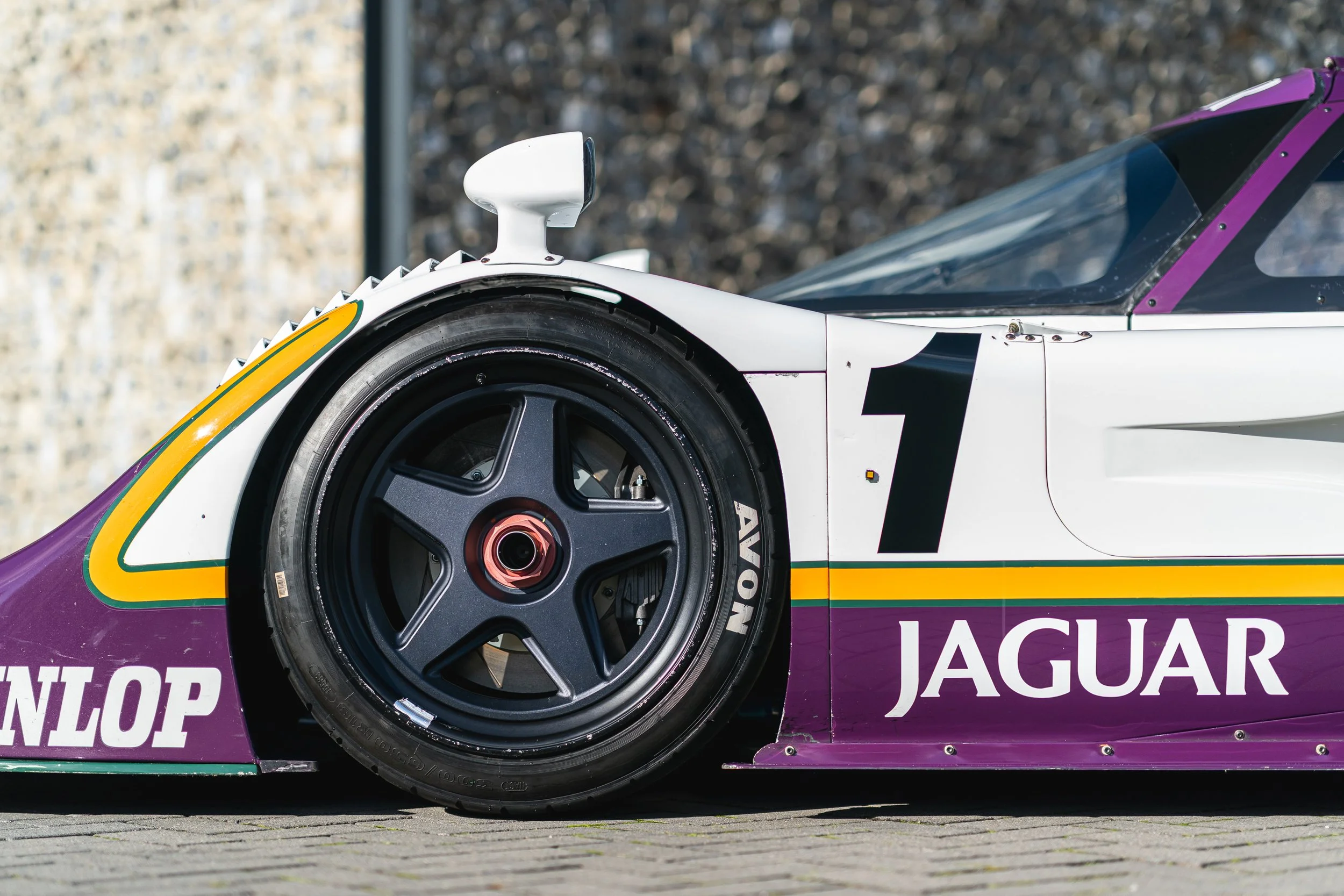
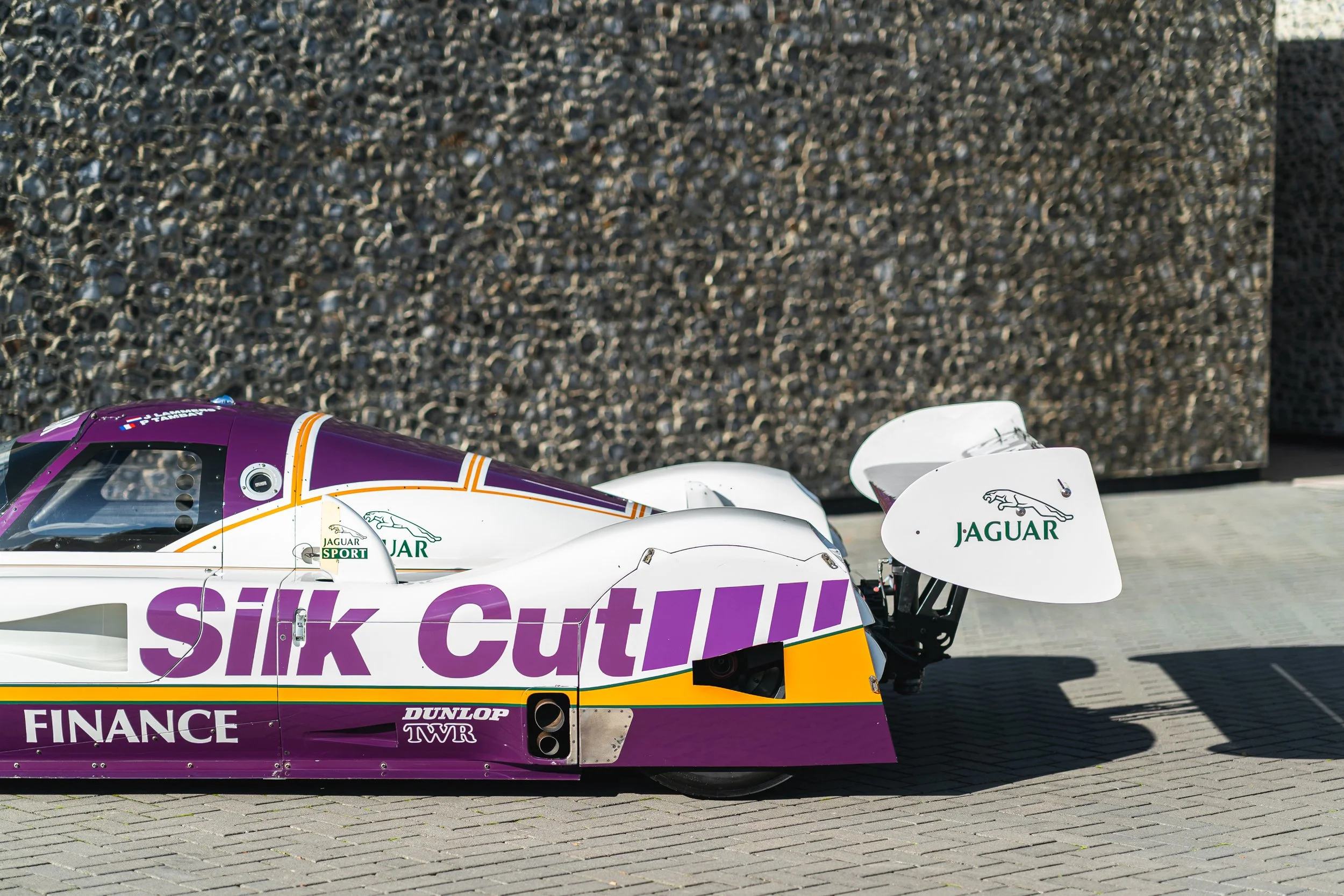
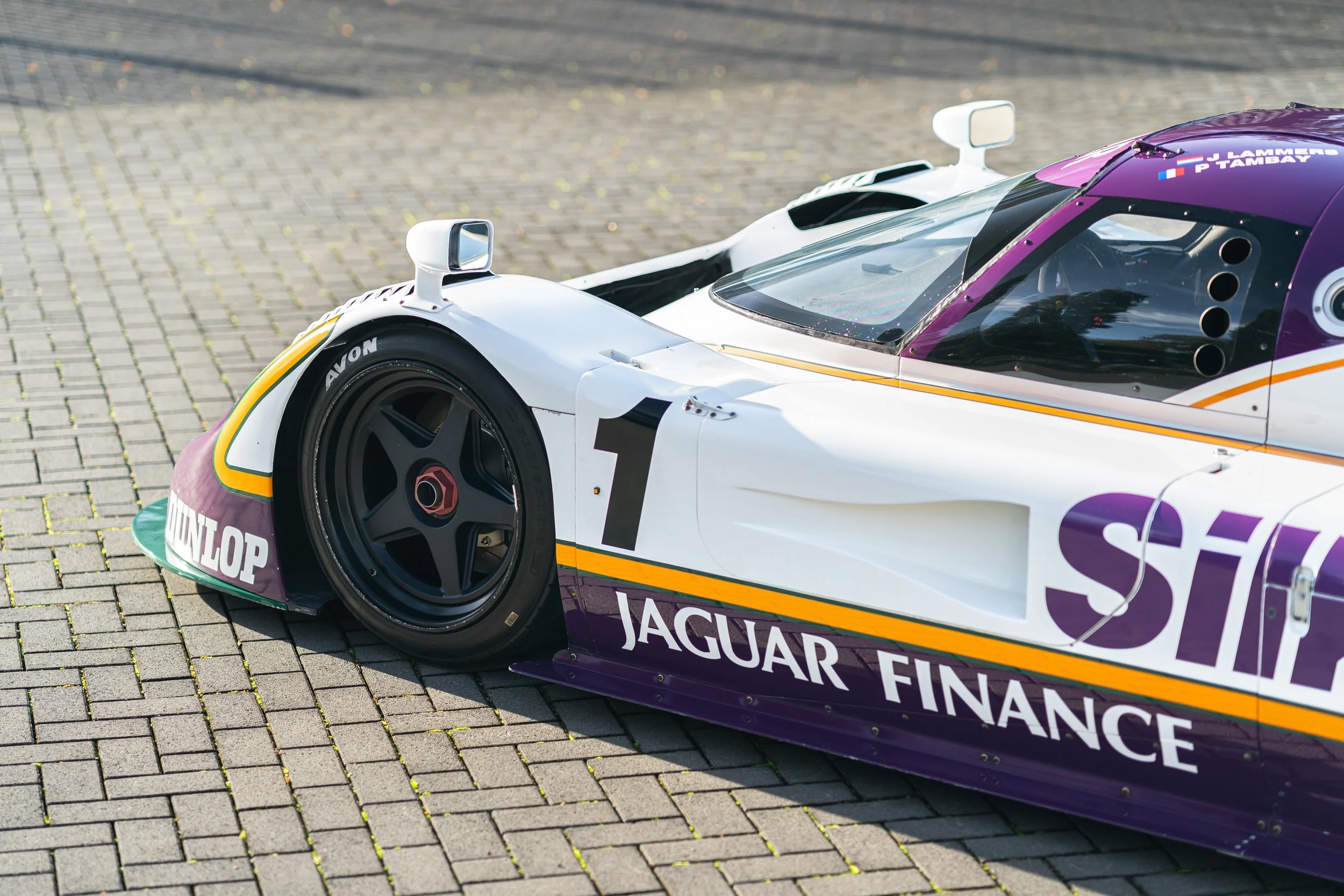
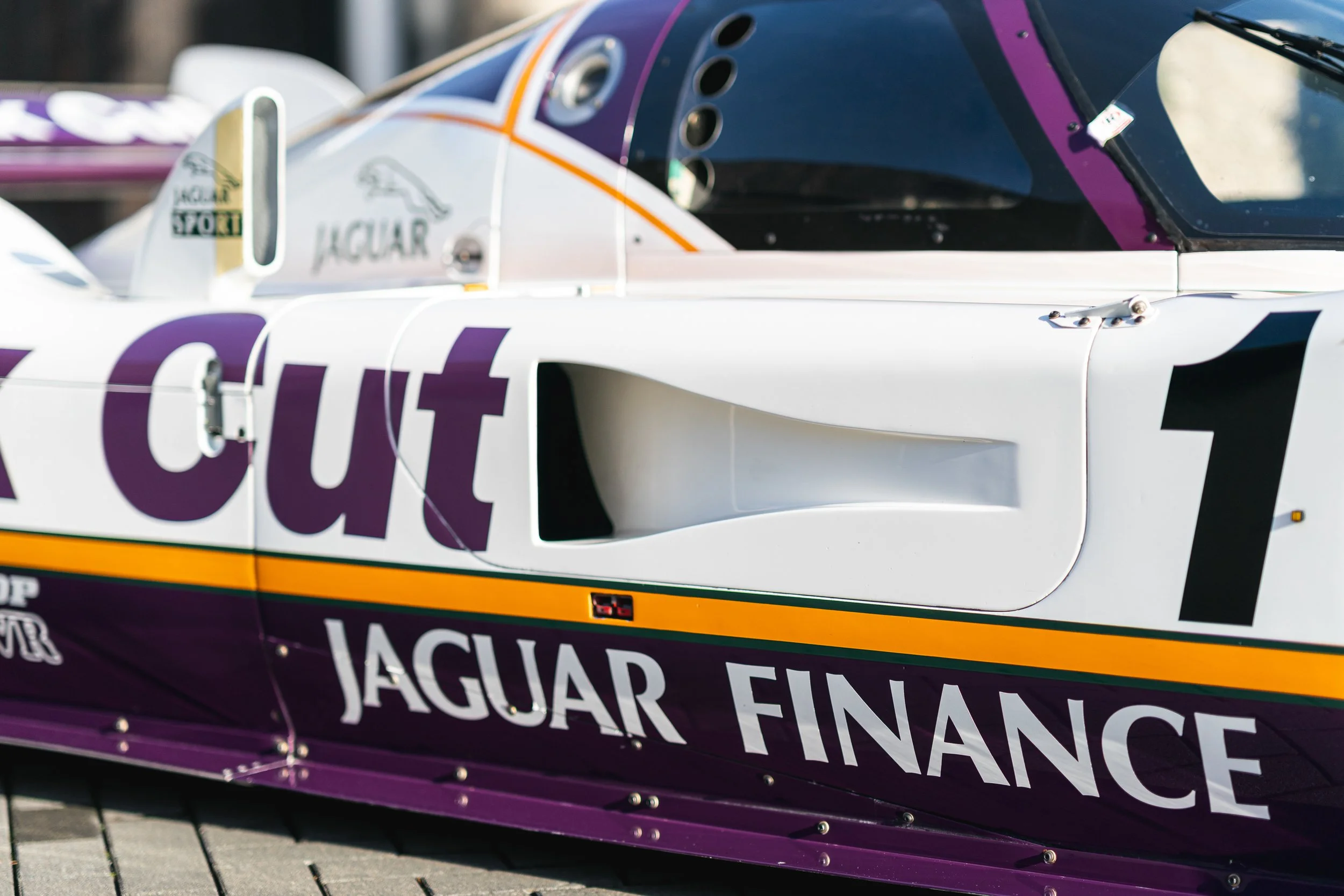
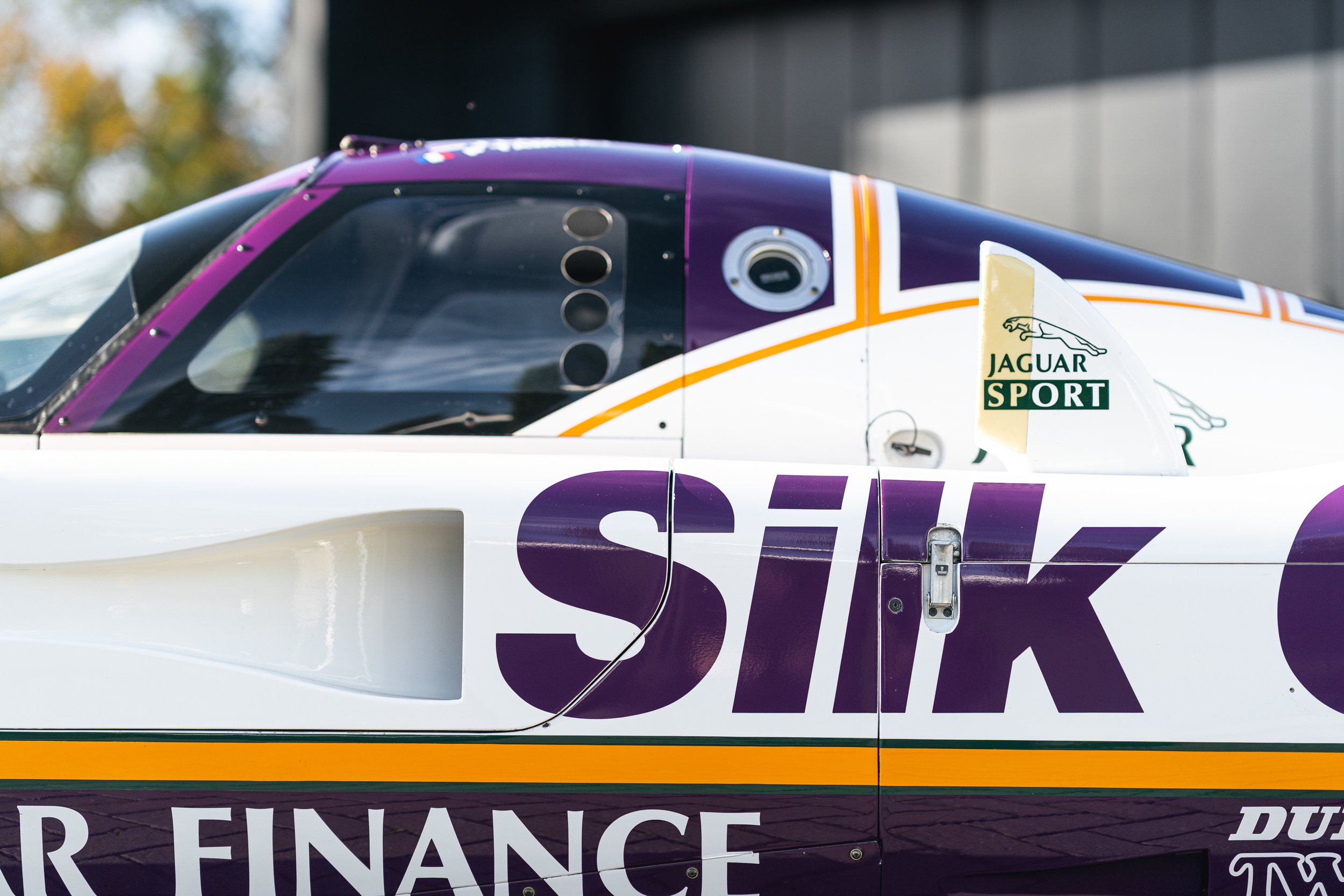
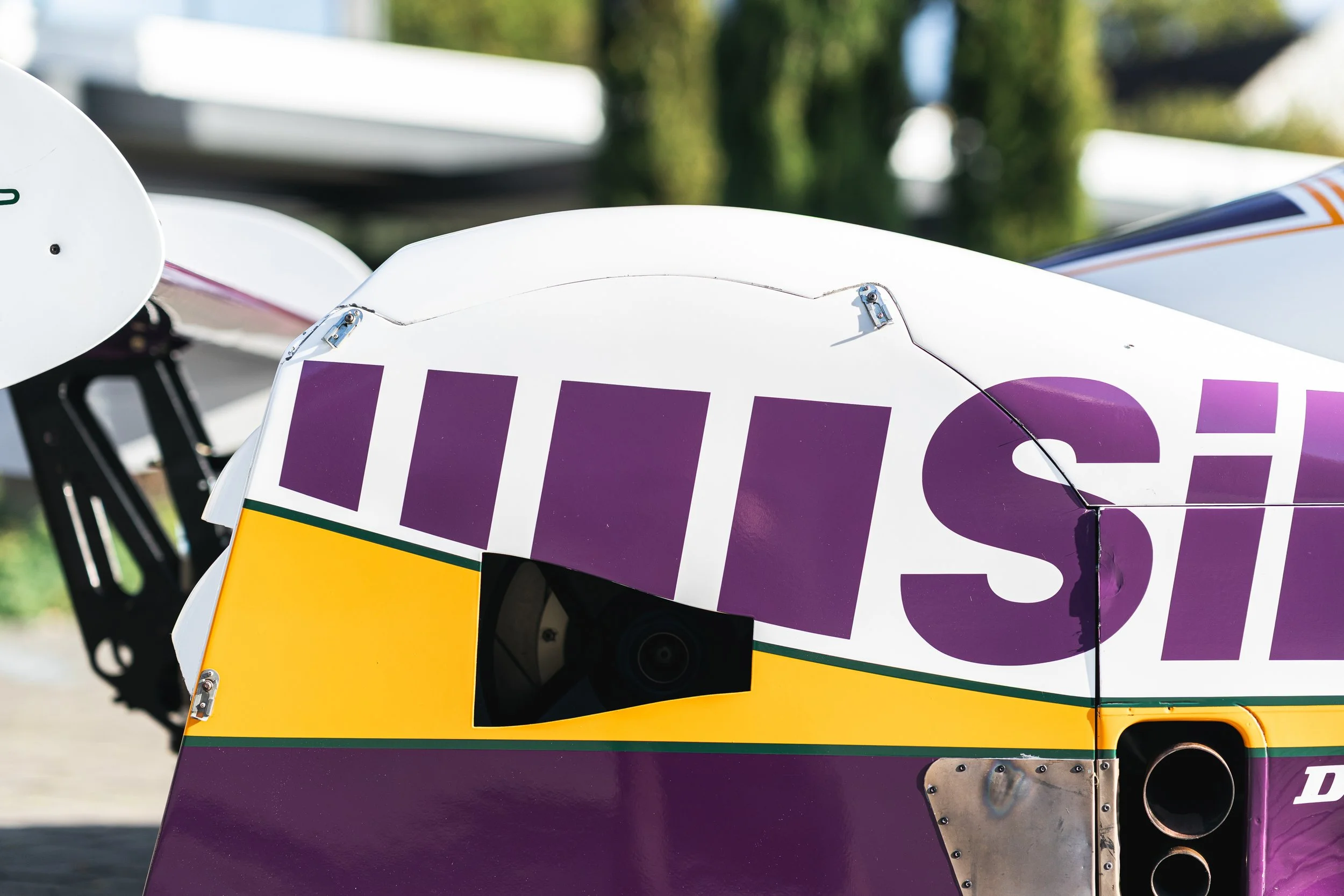
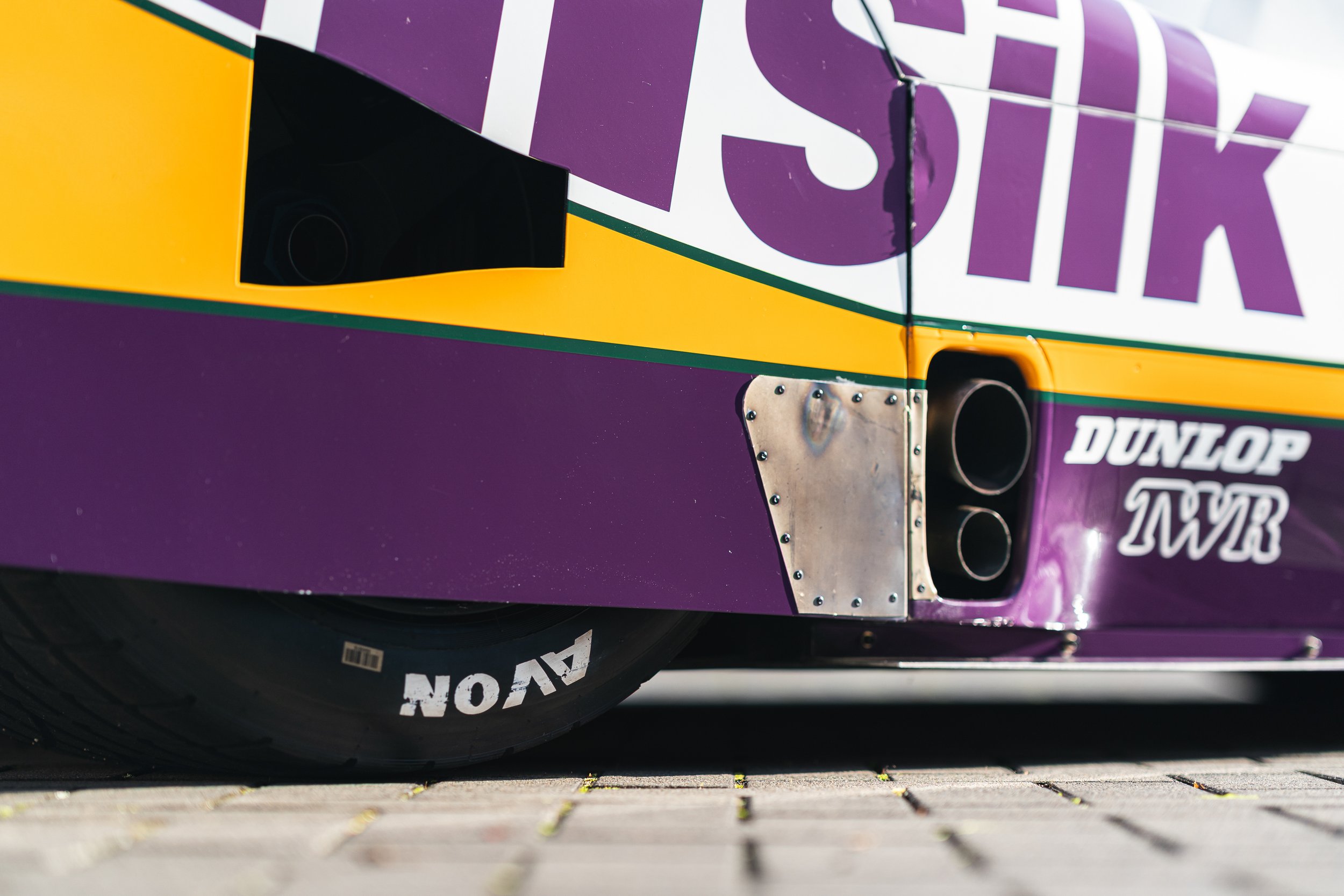
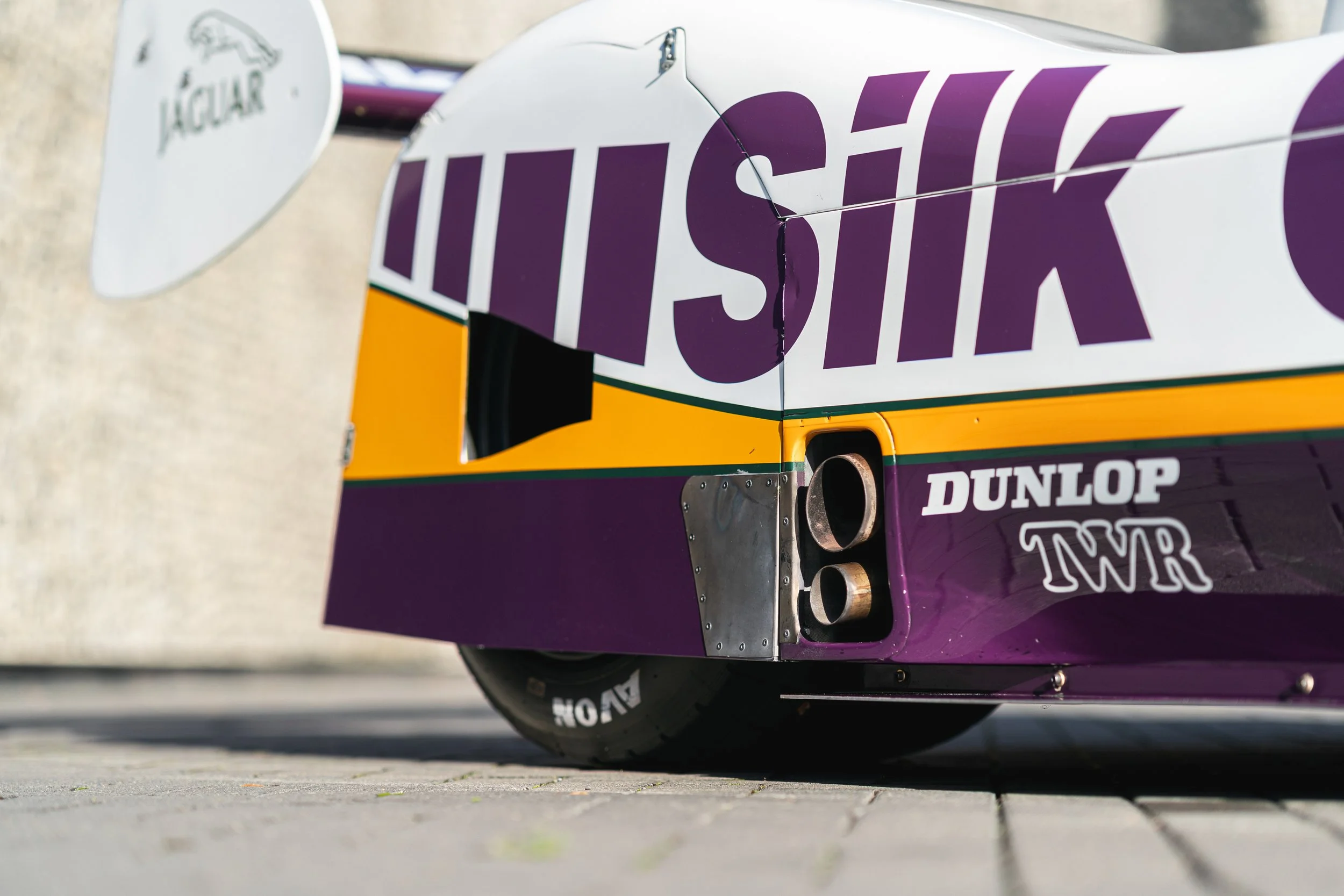
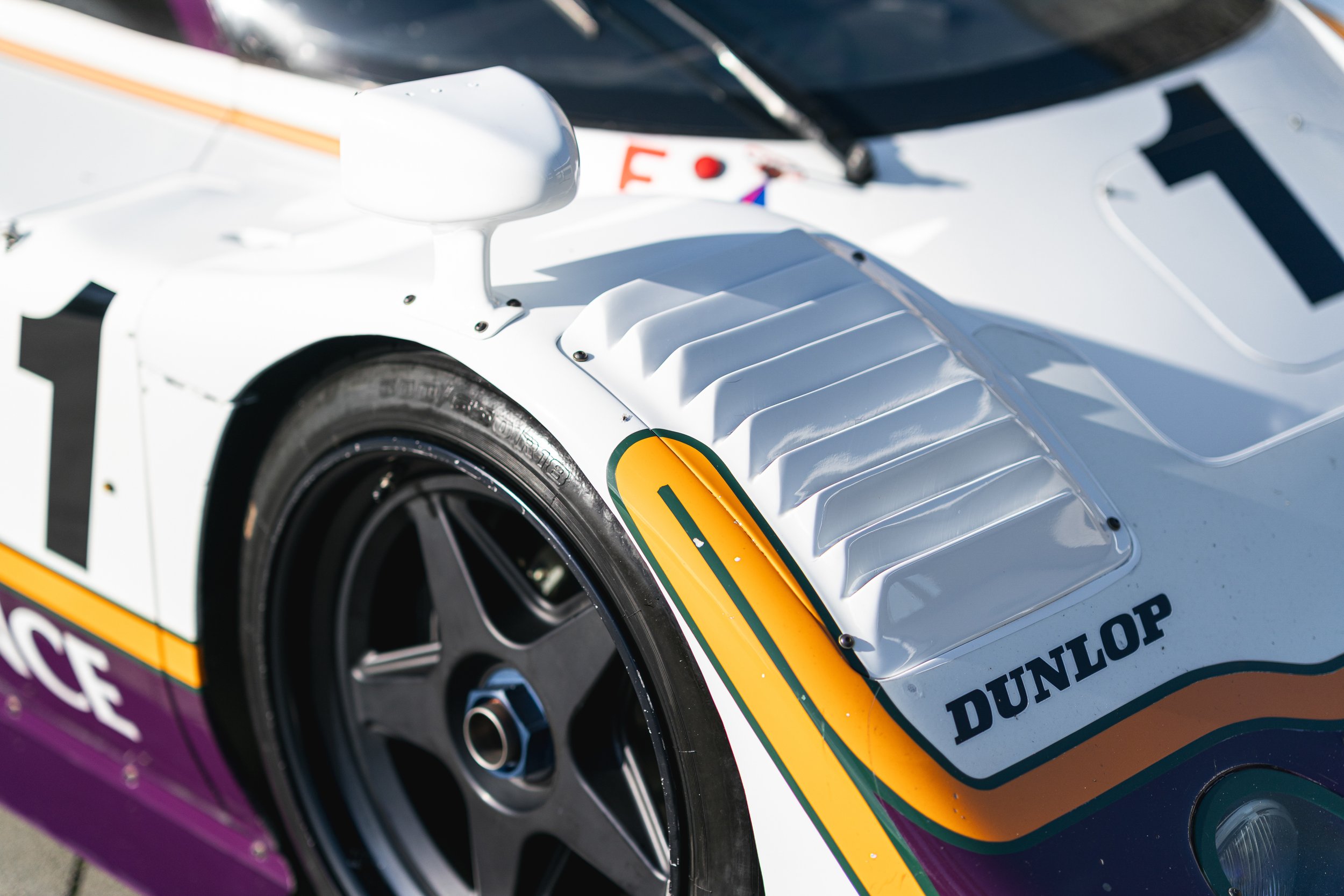
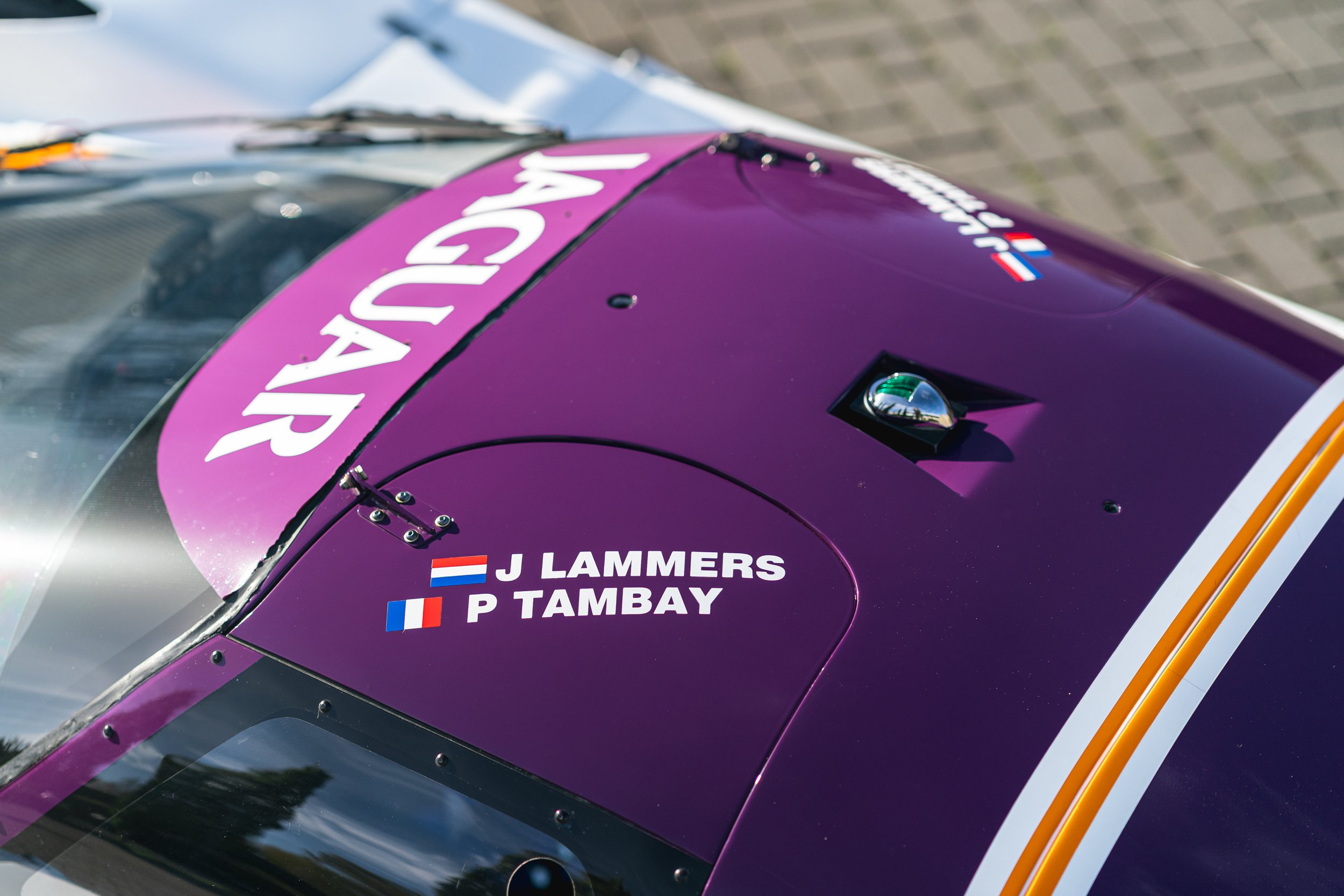
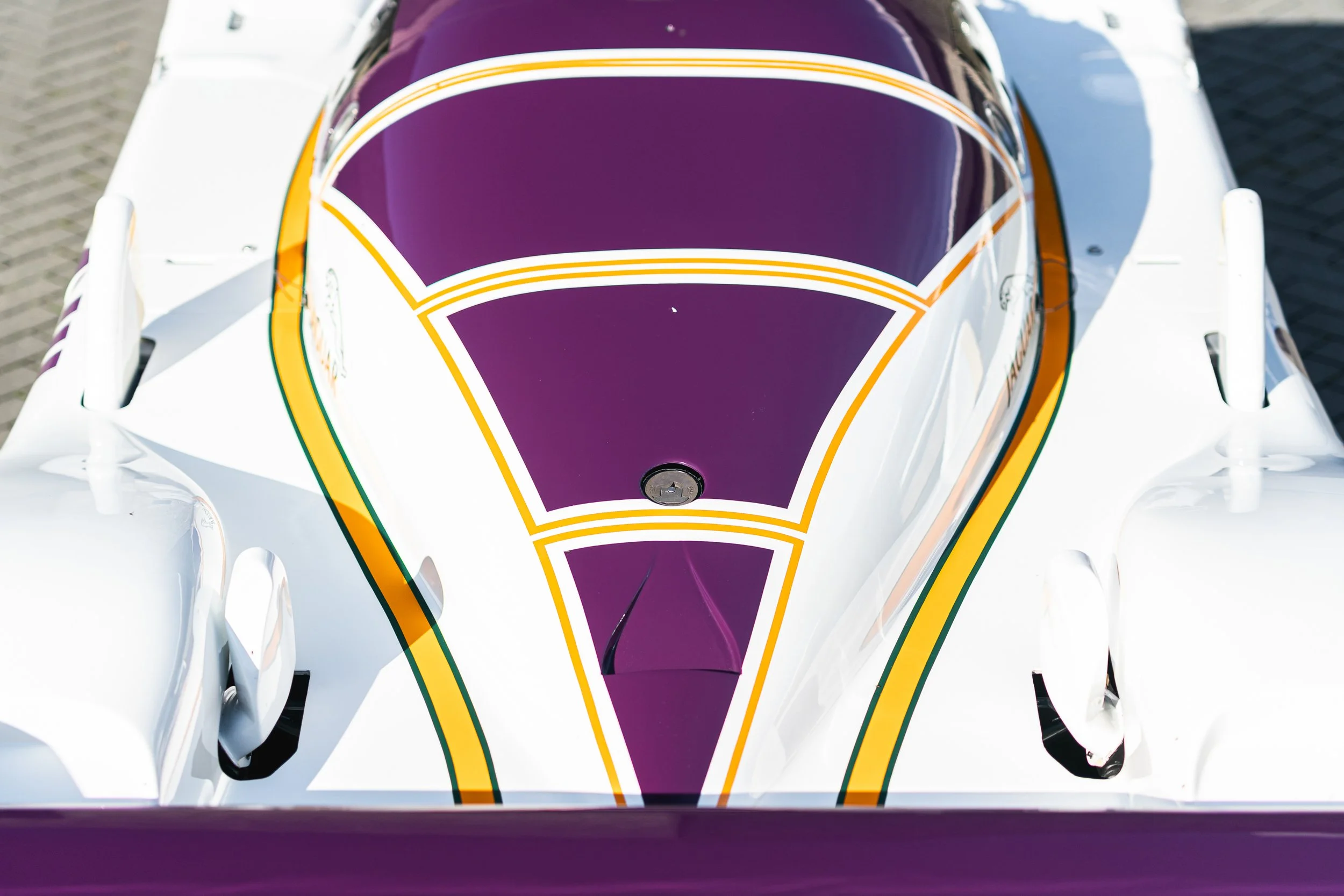
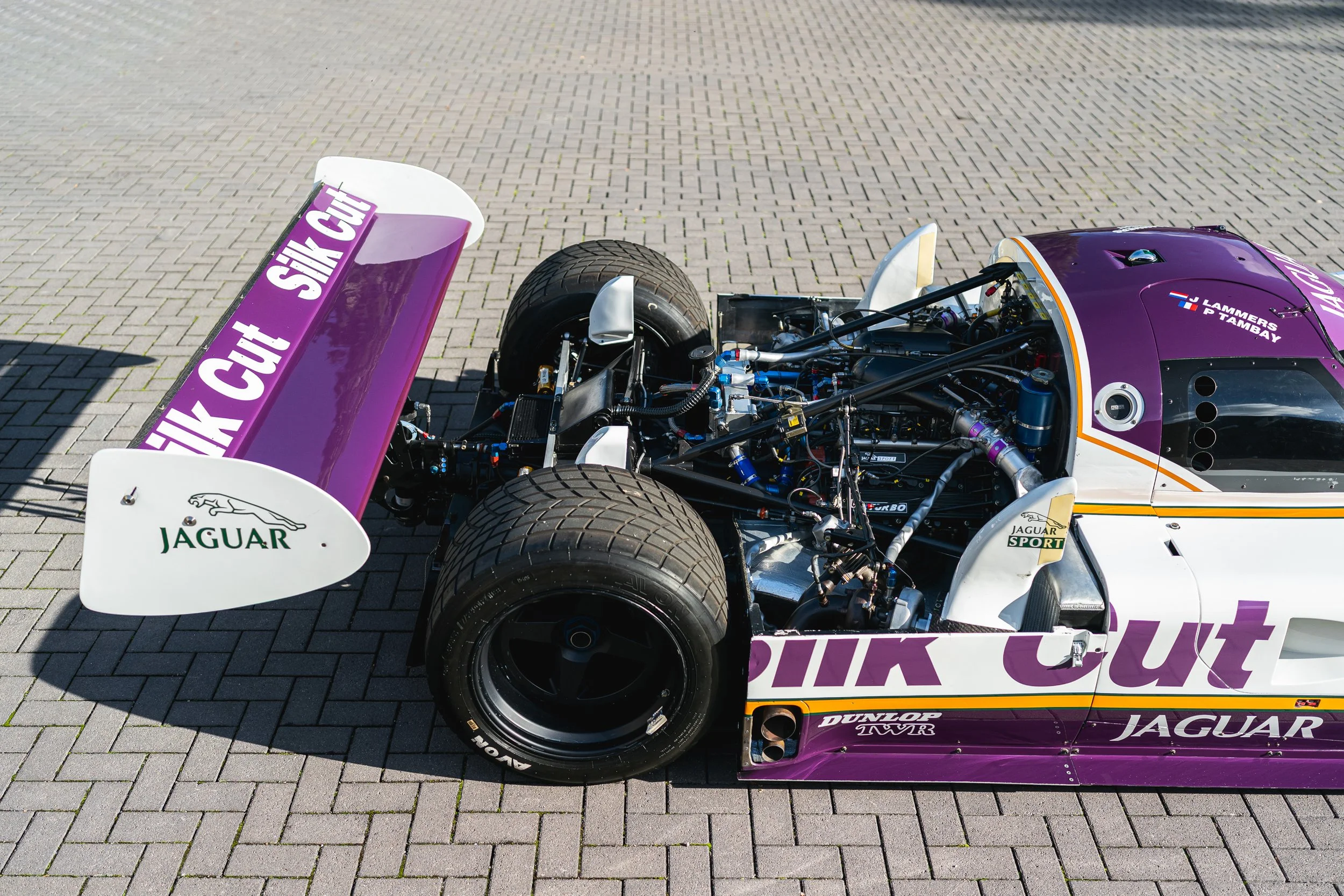
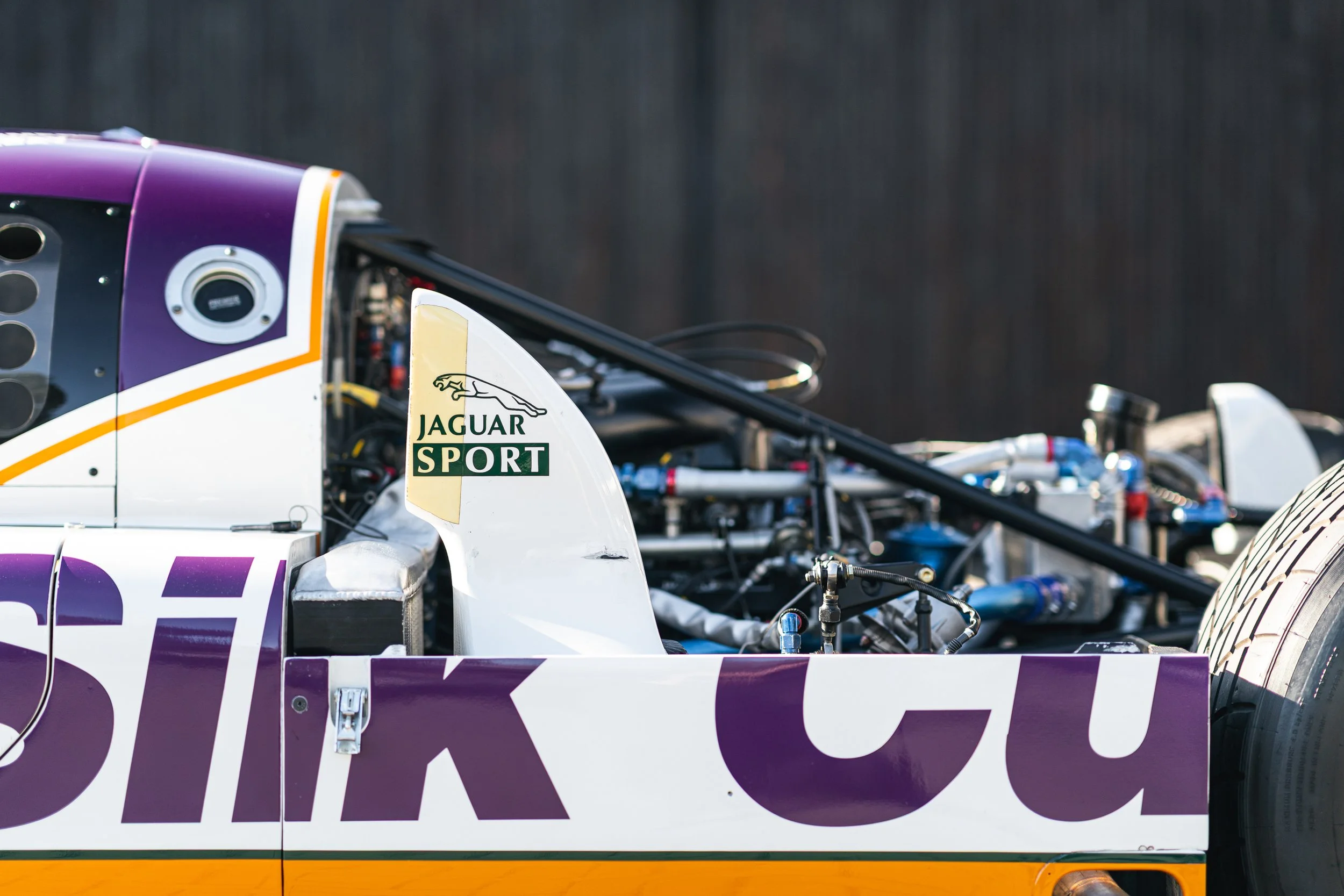
Iconic, period-correct, ‘Silk Cut’ livery
Driven by Le Mans winners Martin Brundle and Jan Lammers, as well as Alain Ferté and Patrick Tambay
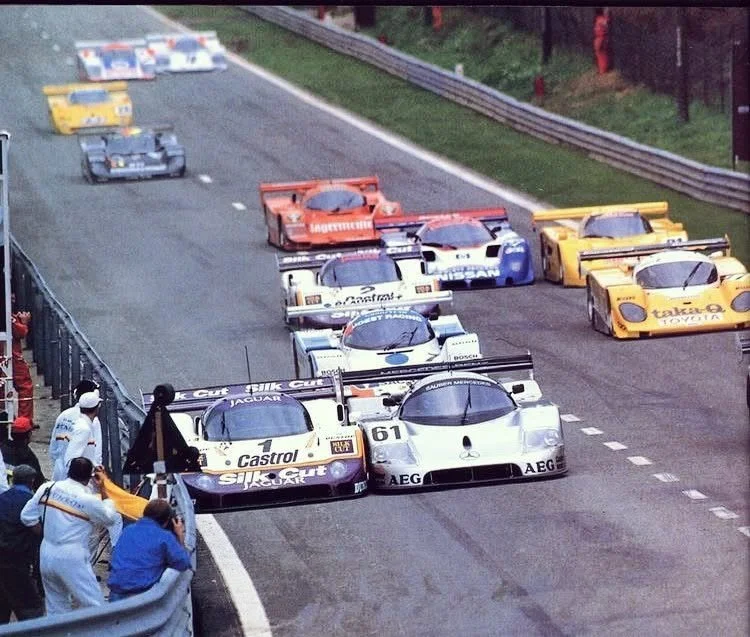
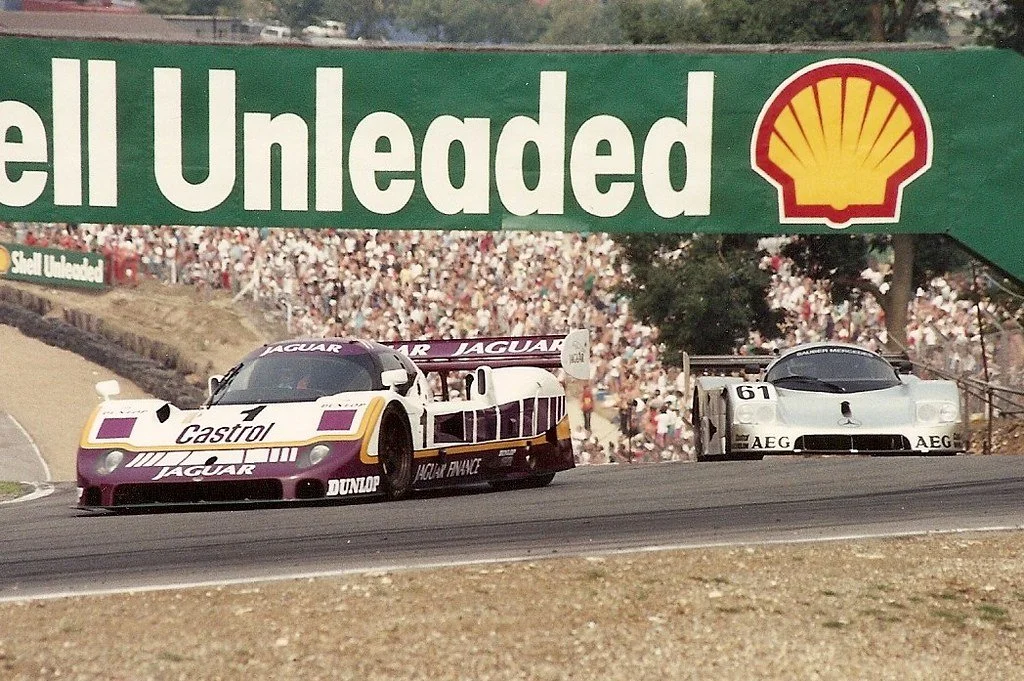
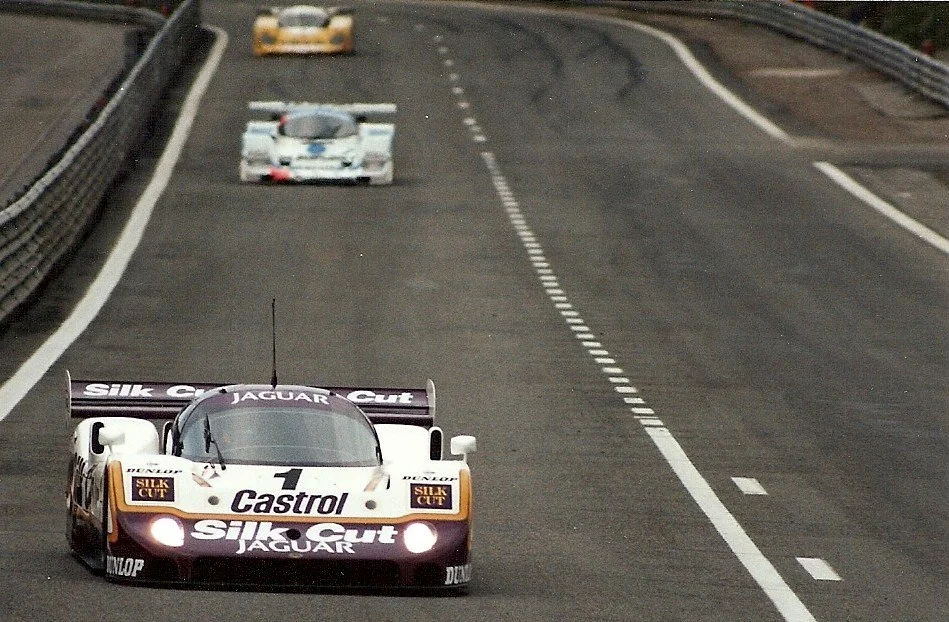
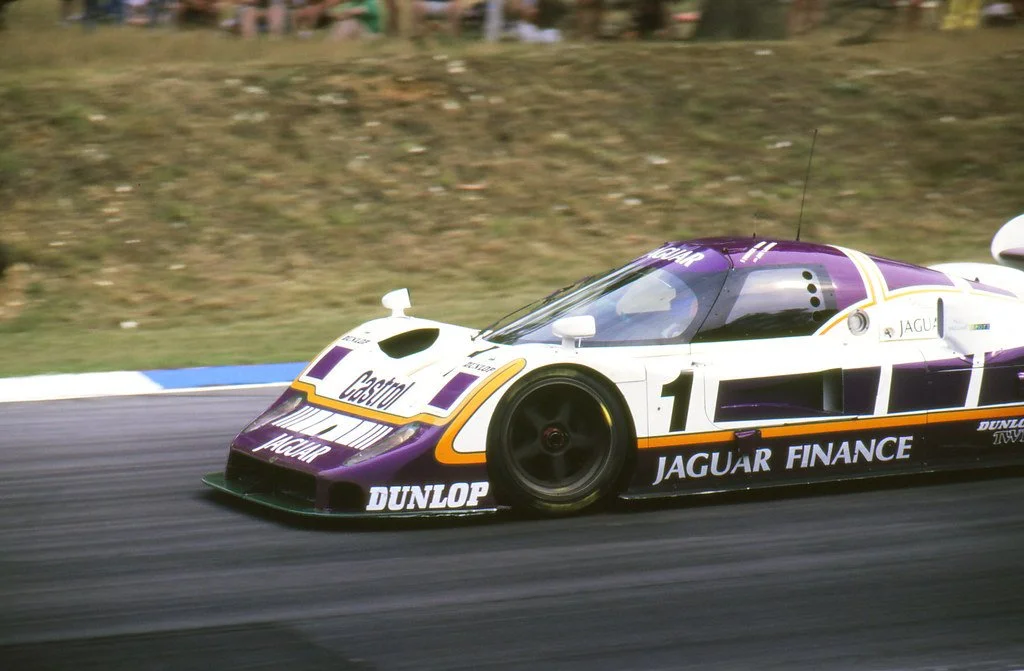
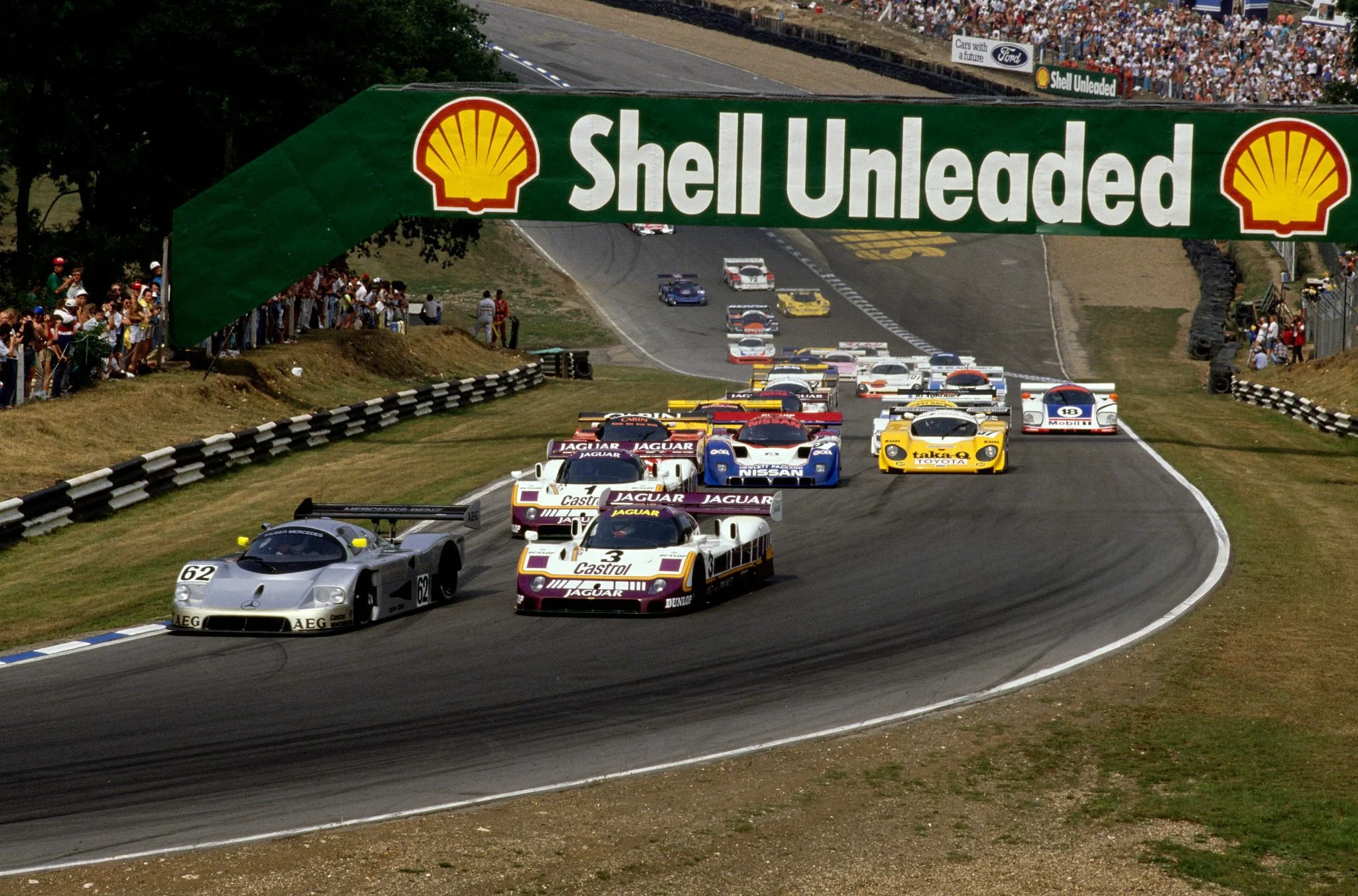
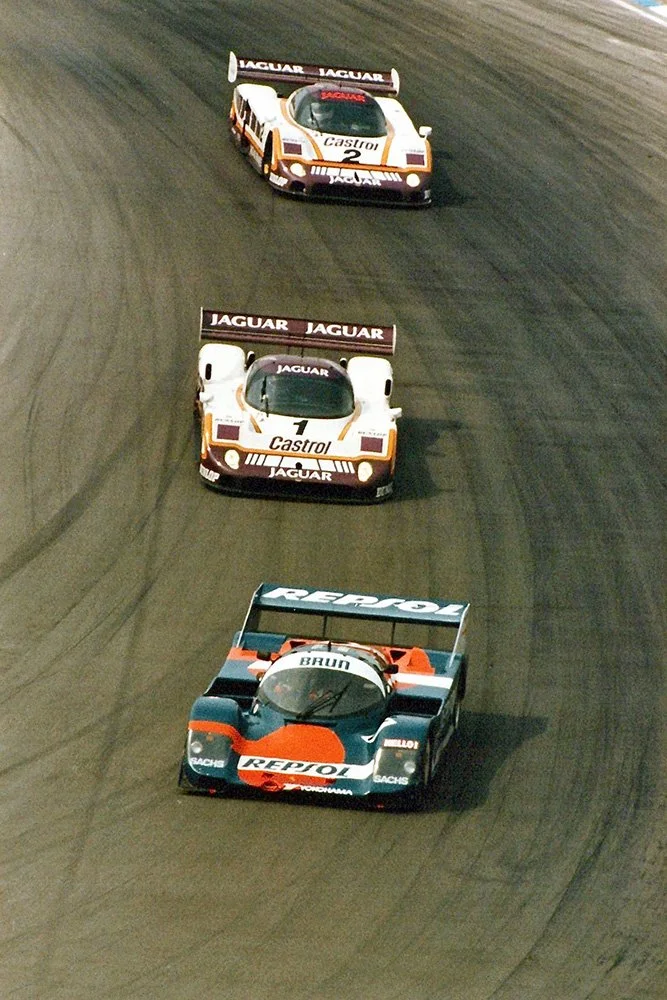
Took pole position on the XJR-11’s debut at Brands Hatch in 1989, ahead of the Sauber-Mercedes C9s
Freshly overhauled by British Group C specialists, Scott Sport, and offered with recently rebuilt, zero-hour engine and gearbox
A proven front-runner in historic Group C racing, achieving 3rd place overall in the 45-car-strong Group C support race at the 2018 Le Mans Classic
Eligible for Le Mans Classic Legend (Plateau 7), the Le Mans Classic Series Group C grid, Masters Group C, as well as HSR’s Group 6 in America, including both Daytona and Sebring Classics
-
Nearly three decades after it last contested top-level sports car racing as a works team, Jaguar returned in spectacular style in the mid-1980s via a partnership with Tom Walkinshaw Racing. The alliance first succeeded in touring cars, where TWR’s Group A XJ-S won the Spa 24 Hours in 1984 and the Bathurst 1000 in 1985. By then, Jaguar had already resolved to take on Group C, and the XJR-6 made its debut in August 1985. It paired an advanced carbon-fibre composite chassis, designed by Tony Southgate, with a development of the mighty V12 that powered the XJ-S. The XJR-6 won its first race at Silverstone in 1986, and from then on Jaguar was a regular presence at the front of the grid.
This form culminated in a sensational 1987 World Sports-Prototype Championship title and outright victory in the 1988 Le Mans 24 Hours. Indeed, TWR’s rapid Silk Cut Jaguars effectively ended Porsche’s long reign over Group C racing. Group C reached its peak in the late 1980s, and in 1988 the turbocharged V8 Sauber-Mercedes C9 emerged as a serious threat to Jaguar’s supremacy. TWR’s answer was the XJR-11, developed alongside the IMSA-specification XJR-10 and once again designed by the vastly experienced Tony Southgate. Its most radical departure lay behind the driver: the heavy, naturally-aspirated V12 gave way to a compact 3.5-litre twin-turbocharged V6, promising more power and, crucially in a fuel-limited formula, greater efficiency.
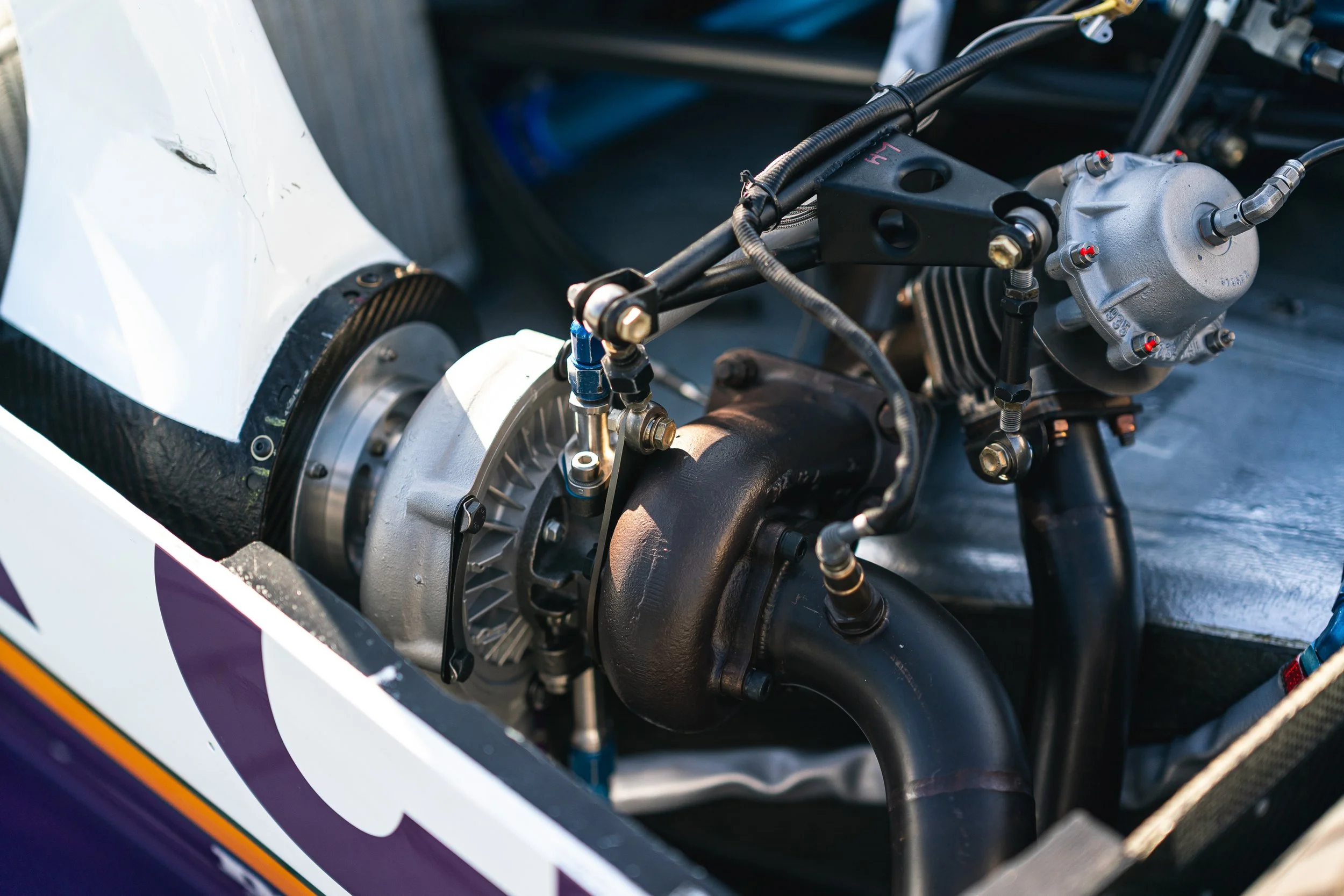
Rather than building an engine from scratch, TWR drew on the V64V, a naturally-aspirated 3.0-litre V6 that had powered the MG Metro 6R4 Group B rally car. With four overhead camshafts and four valves per cylinder, it was a strong foundation, and it was far more compact than the V12, which enhanced handling by improving weight distribution and lowering the car’s centre of gravity. TWR added twin turbochargers and kept the 3.0-litre capacity for the IMSA-specification XJR-10, while the Group C XJR-11 was enlarged to 3.5 litres. In this form the new JRV-6 produced around 750 bhp, depending on boost setting, and delivered its output via a TWR-developed five-speed, H-pattern, manual gearbox.
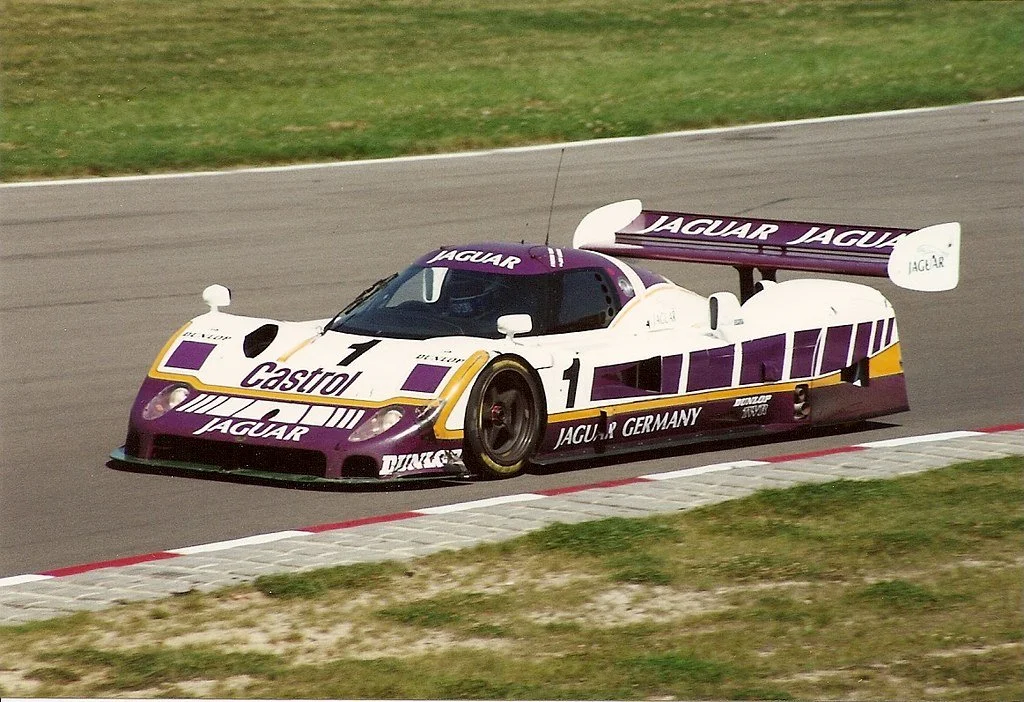
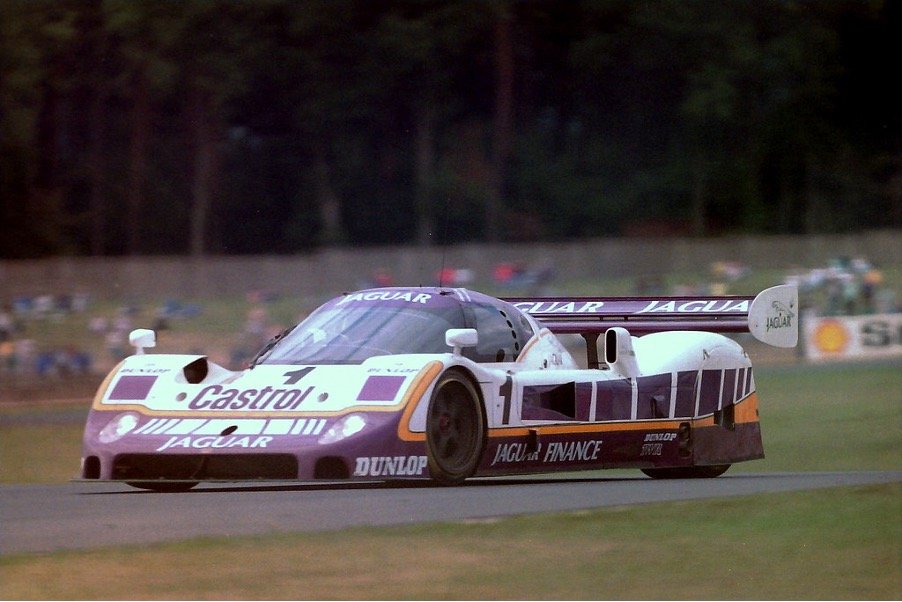
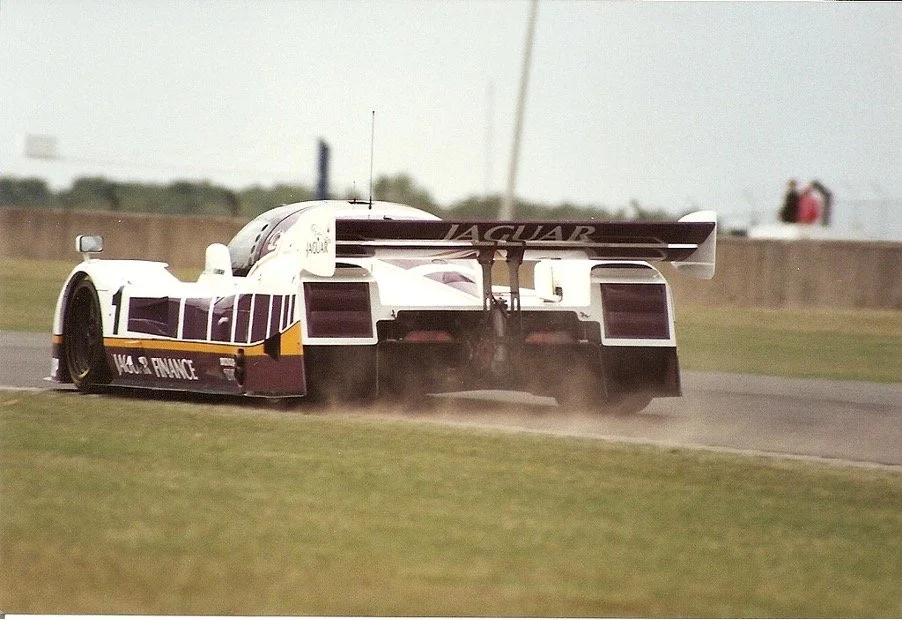
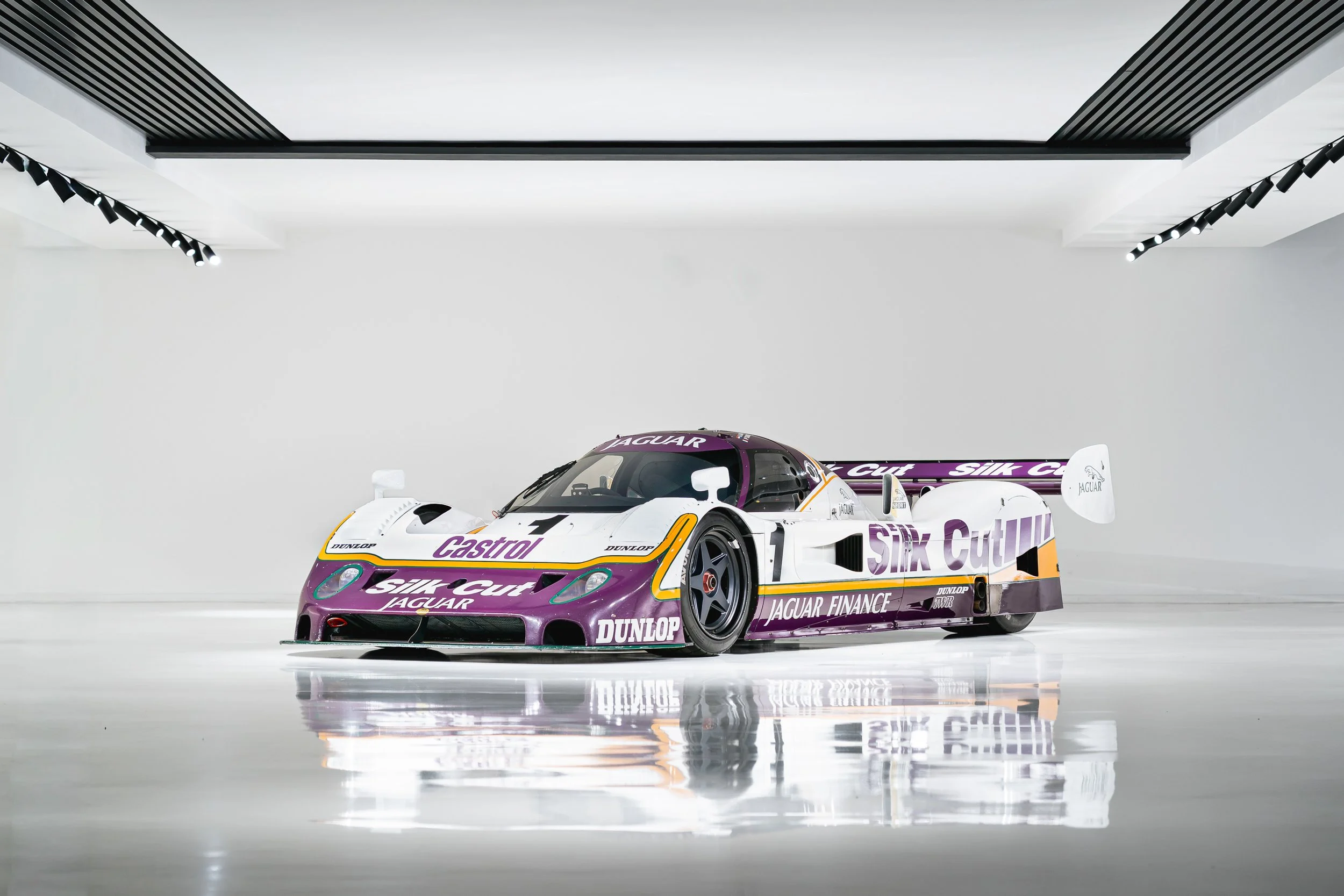
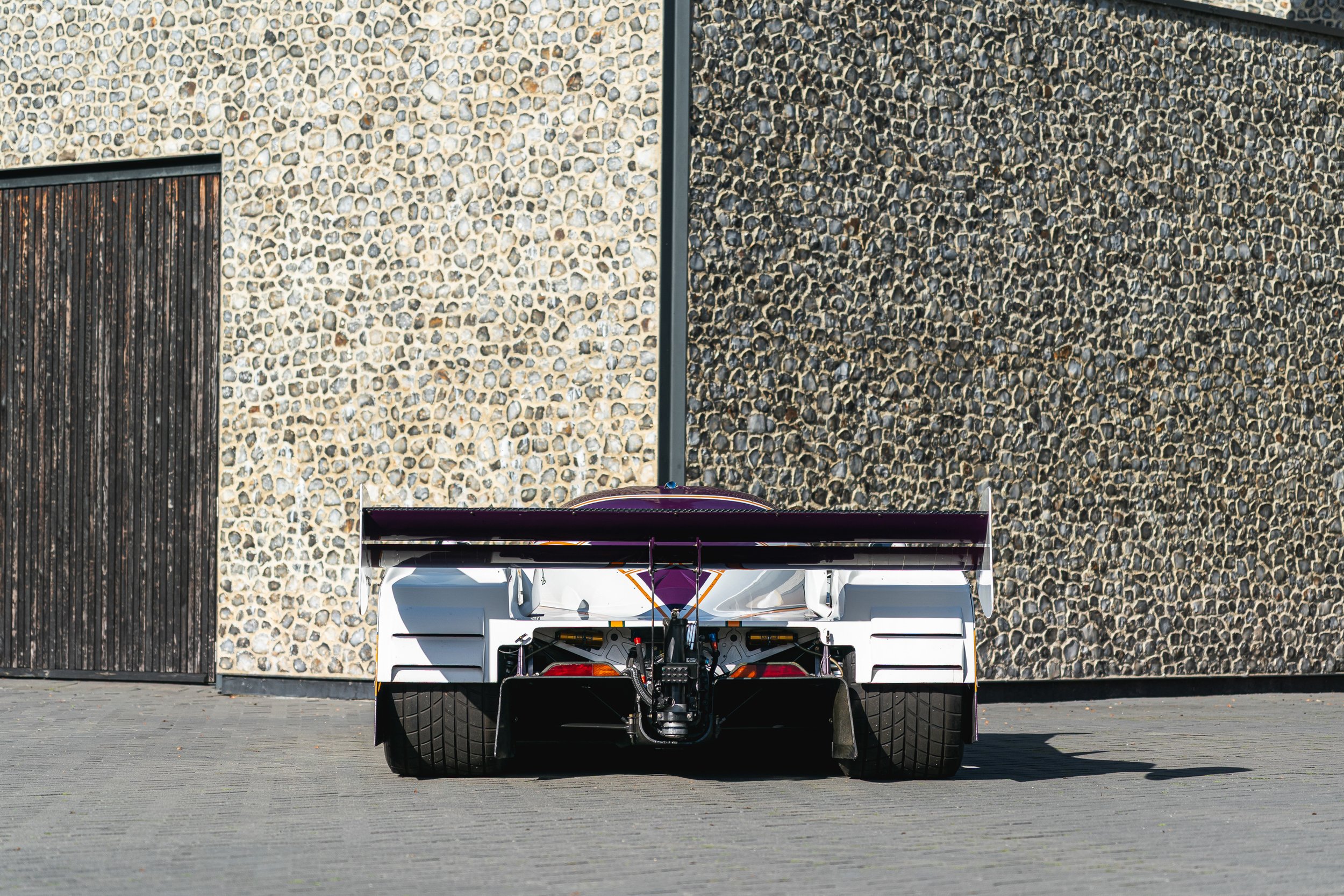
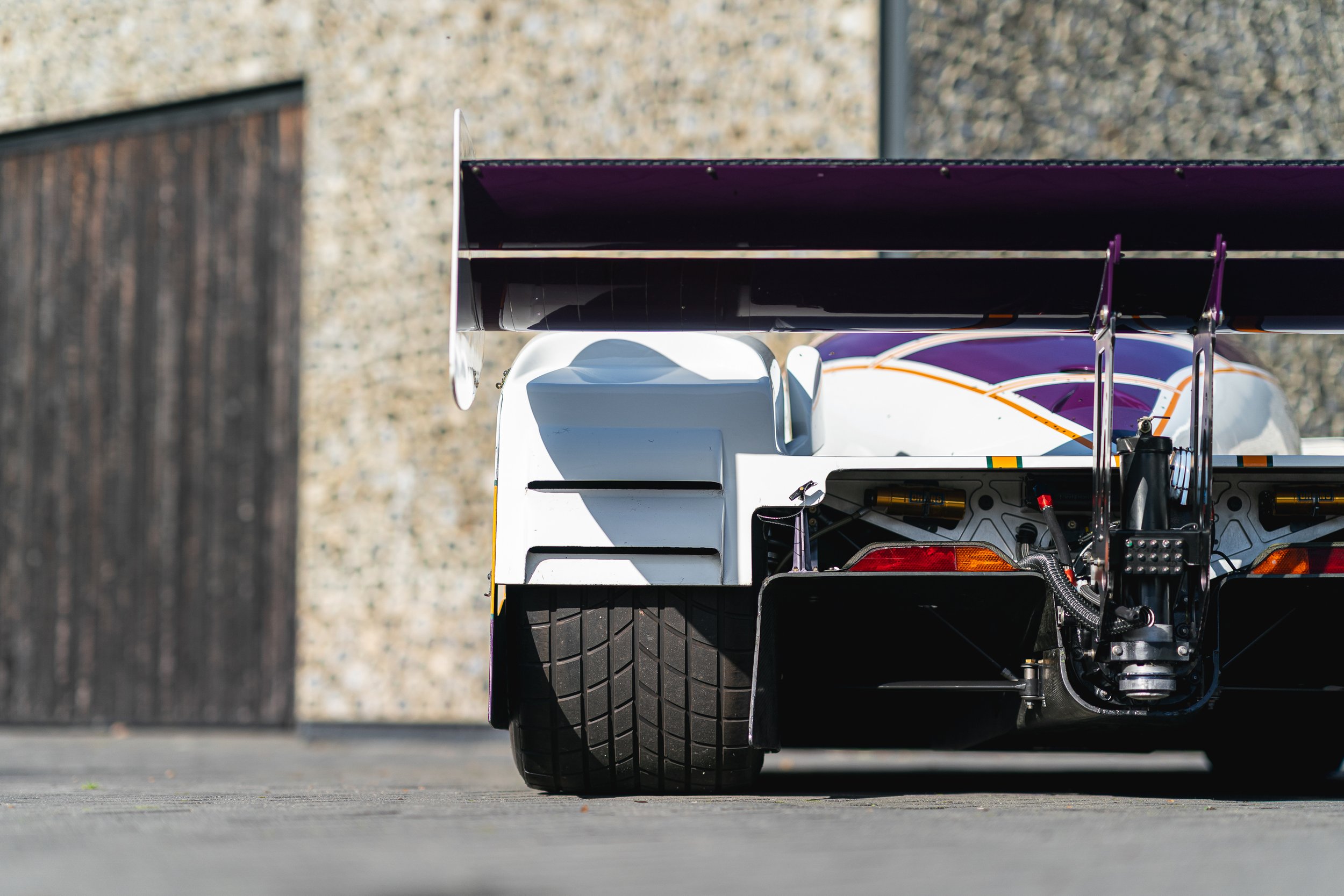
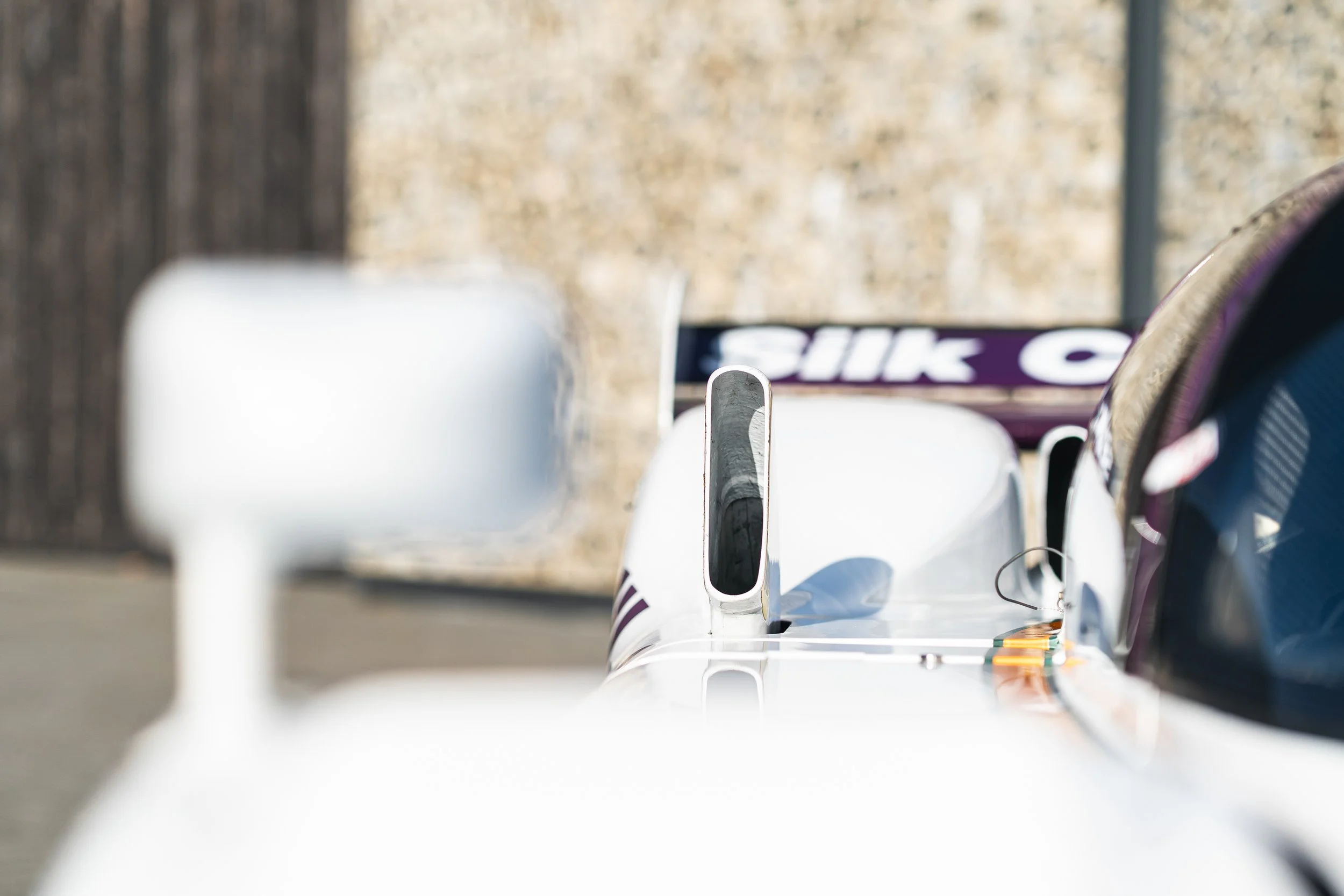
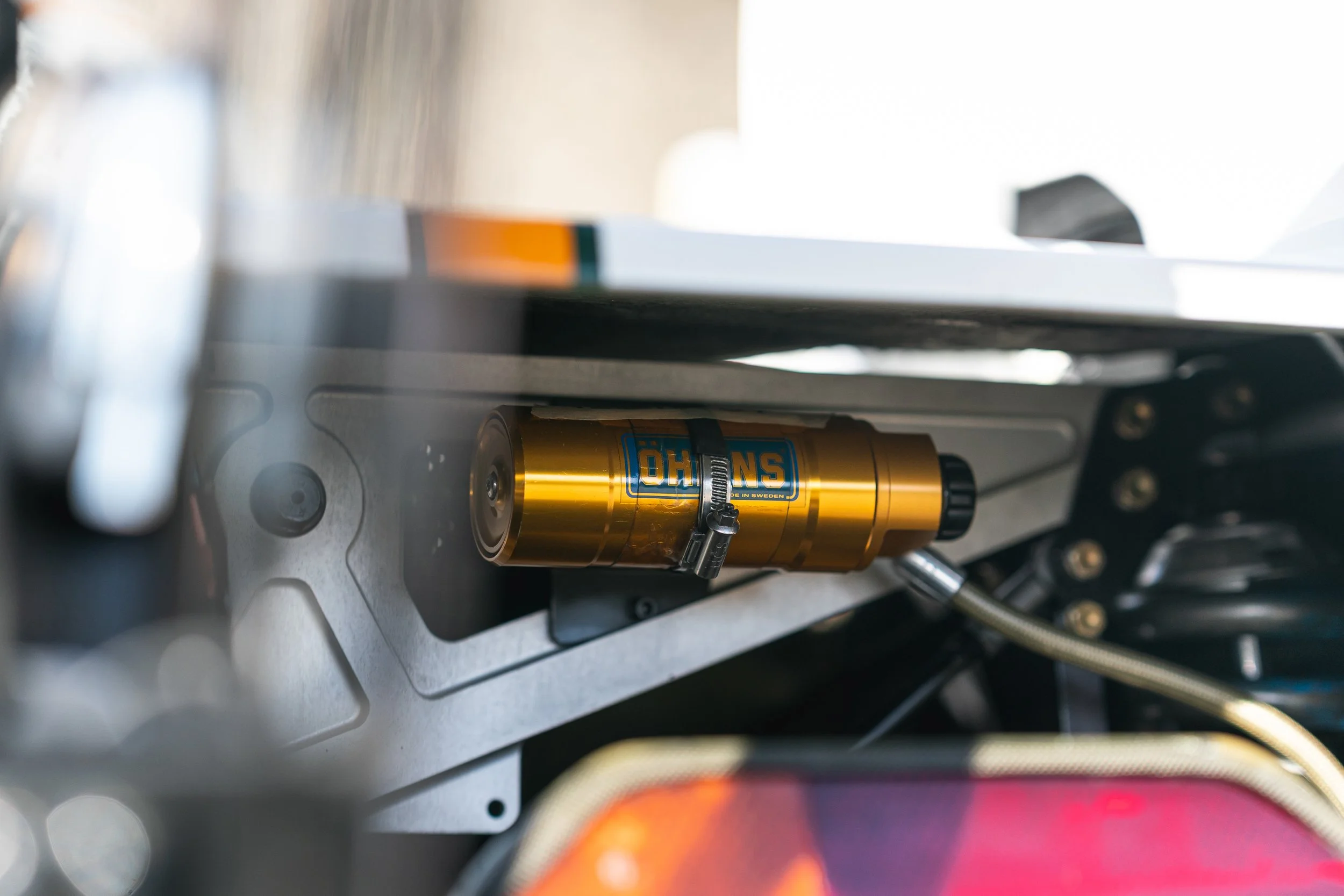
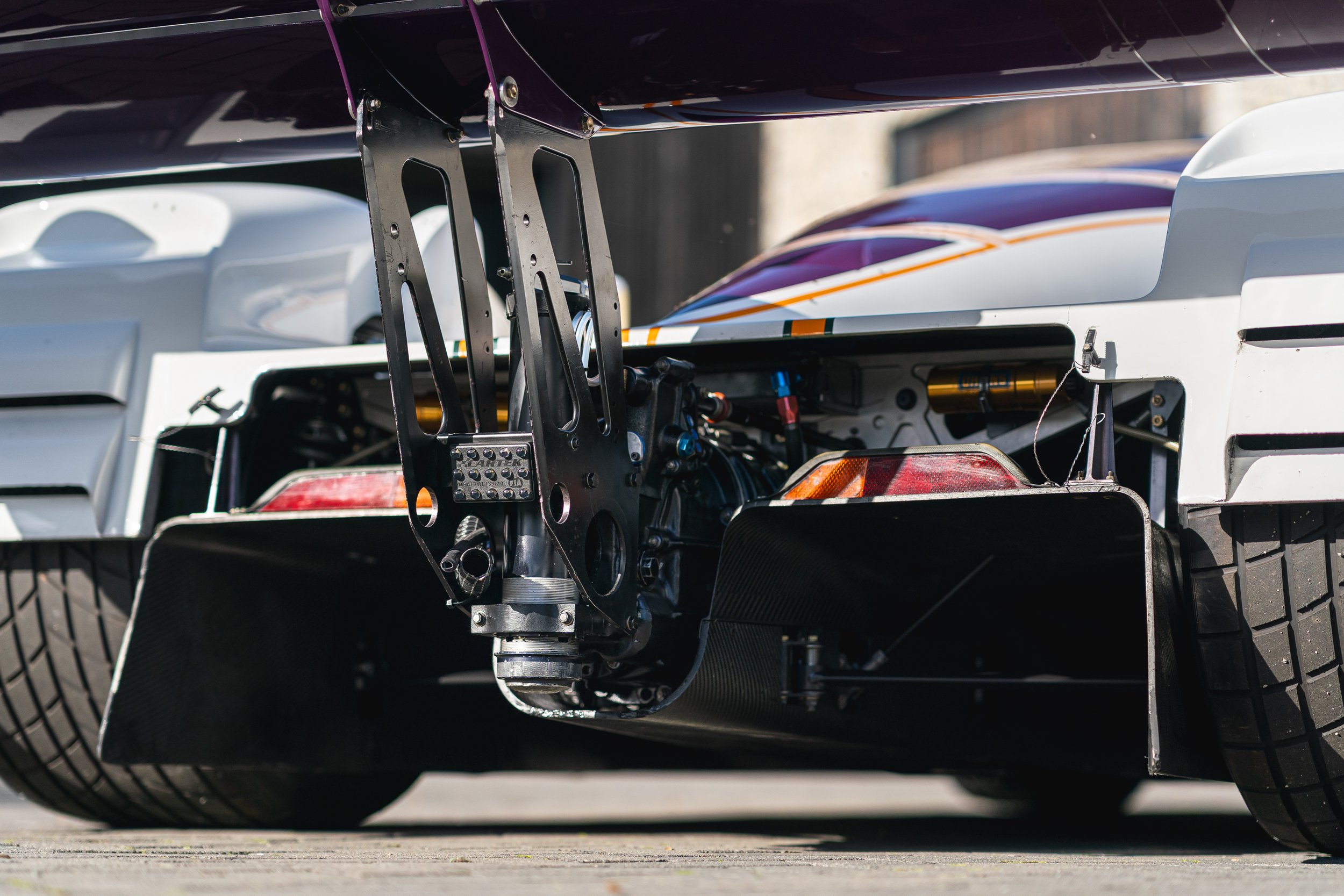
The JRV-6 and its gearbox were mounted as a fully stressed member of the carbon-fibre composite monocoque. The chassis was a more compact evolution of the XJR-6/8/9 design, and no longer needed the recess in the fuel cell area that had made room for the sizable V12. Suspension was by double wishbones all round, with pushrod-actuated springs and dampers mounted inboard at the front. At the rear, the coil springs and dampers sat vertically outboard, between the large ground-effect tunnels and the wheels, enhancing the capacity of the tunnels. The bodywork was a further evolution of the XJR-9’s, finished in the striking purple-and-white Silk Cut livery. The XJR-11 is easiest to tell apart from its predecessor by the tall turbo snorkels ahead of the rear wheels and its arguably more beautiful, sculpted rear bodywork.
The XJR-11 made its race debut at the Brands Hatch round of the World Championship in July 1989. Where the V12 XJR-9 had struggled for single-lap pace against its turbocharged rivals, the new car was quick from the outset. In an emphatic display of the car’s raw pace, Jan Lammers put his XJR-11 on pole position at its first outing ahead of the mighty Sauber-Mercedes C9. The XJR-11 continued to qualify among the front runners for the remainder of the season, as TWR used the final rounds to develop a car that had arrived mid-season with little testing behind it.
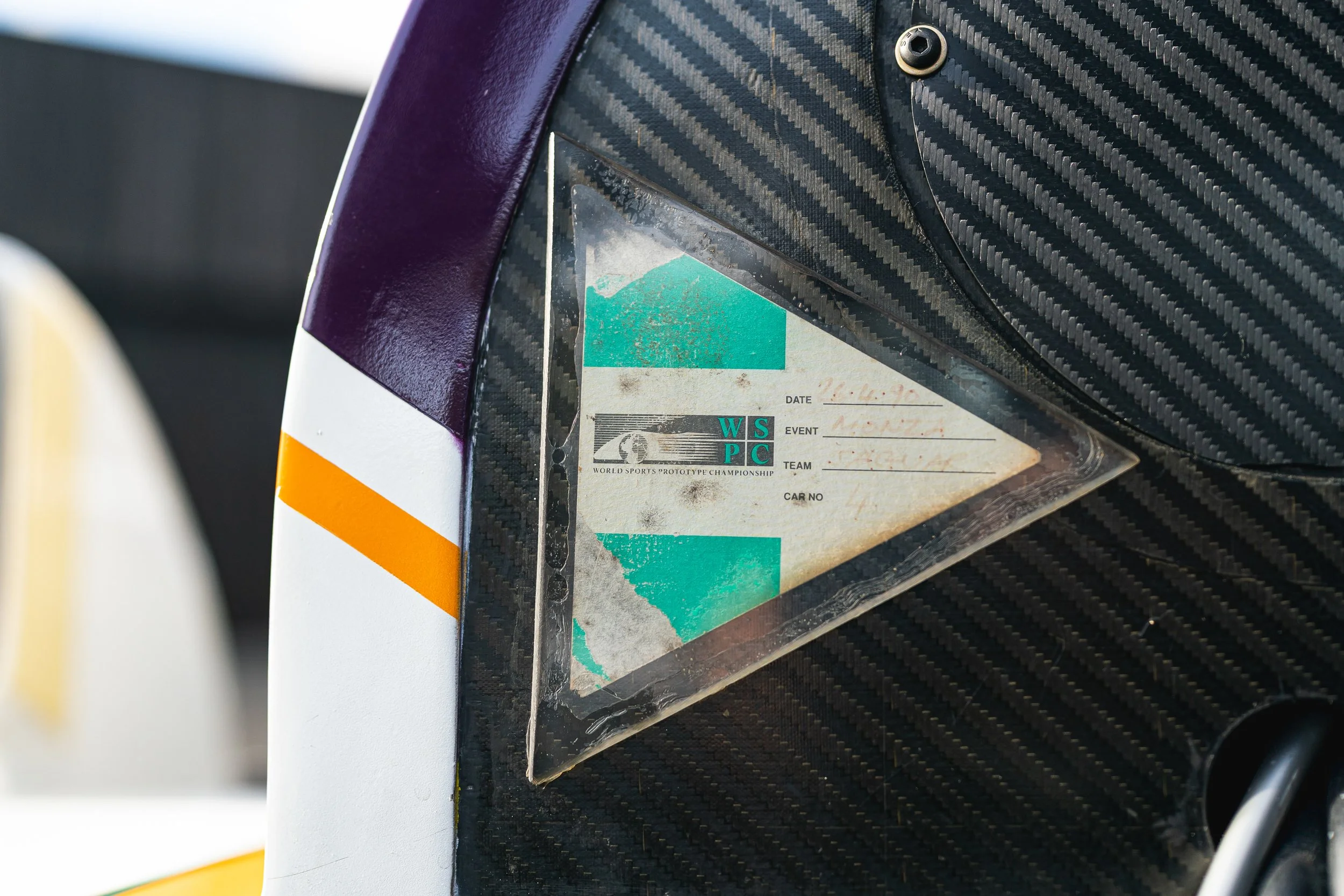
For 1990, TWR built on the lessons of the debut season. The XJR-11 gained a wider front track and revised bodywork, and TWR’s North American operation developed cast-aluminium intake plenums to replace the original carbon-fibre items, which had proven fragile under high boost pressure. The work paid off at Monza, the second round of the season, where the two XJR-11s finished third and fourth, beaten only by the Sauber-Mercedes.
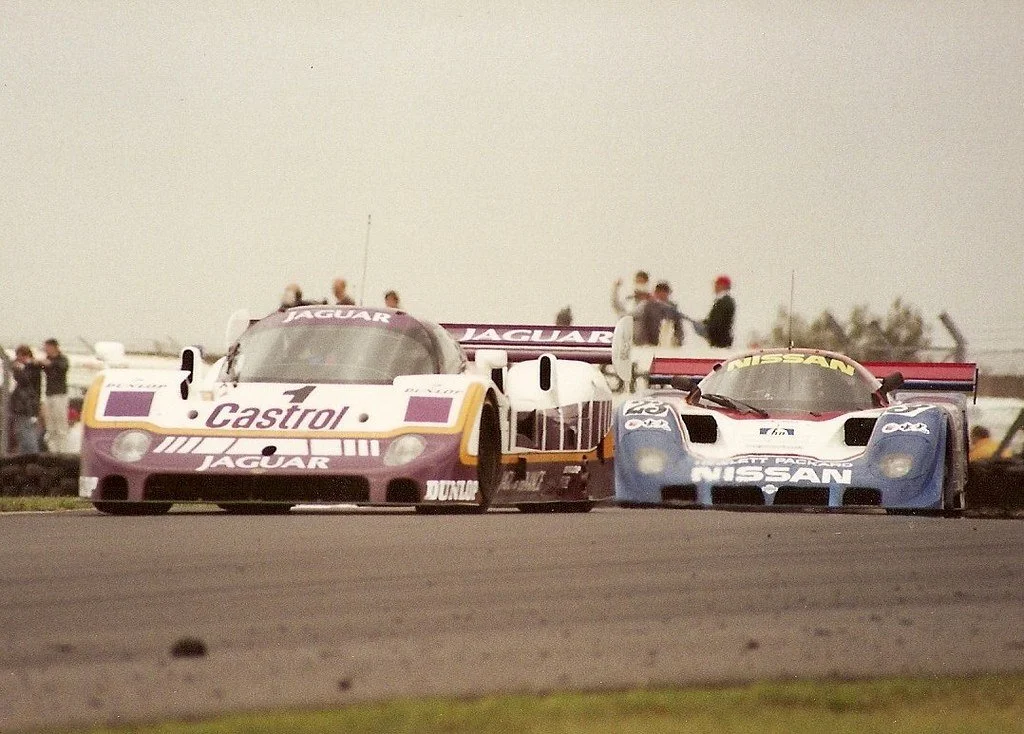
At the following round of the championship at Silverstone for the BRDC Empire Trophy, the XJR-11’s potential was well and truly fulfilled and showcased to the adoring British crowd. After qualifying second and third on the grid, Martin Brundle and Alain Ferté led Jan Lammers and Andy Wallace home to score a dominant one-two victory. Lammers and Wallace also achieved second place at Spa for good measure.
With the regulations moving to 3.5-litre naturally aspirated engines for 1991, TWR shifted its resources to the all-new XJR-14 during the 1990 season. The XJR-11s saw little further development but raced on to the end of the year, and they remained as quick as ever. At the final round in Mexico City, Martin Brundle and Jan Lammers put their XJR-11 on pole position, and the sister car of Andy Wallace and Davy Jones finished third. That was the XJR-11’s last outing with the works team, but not the end of its career. While the XJR-14 took over in the World Championship, the XJR-11 went on to race in the 1991 All Japan Sports Prototype Championship.
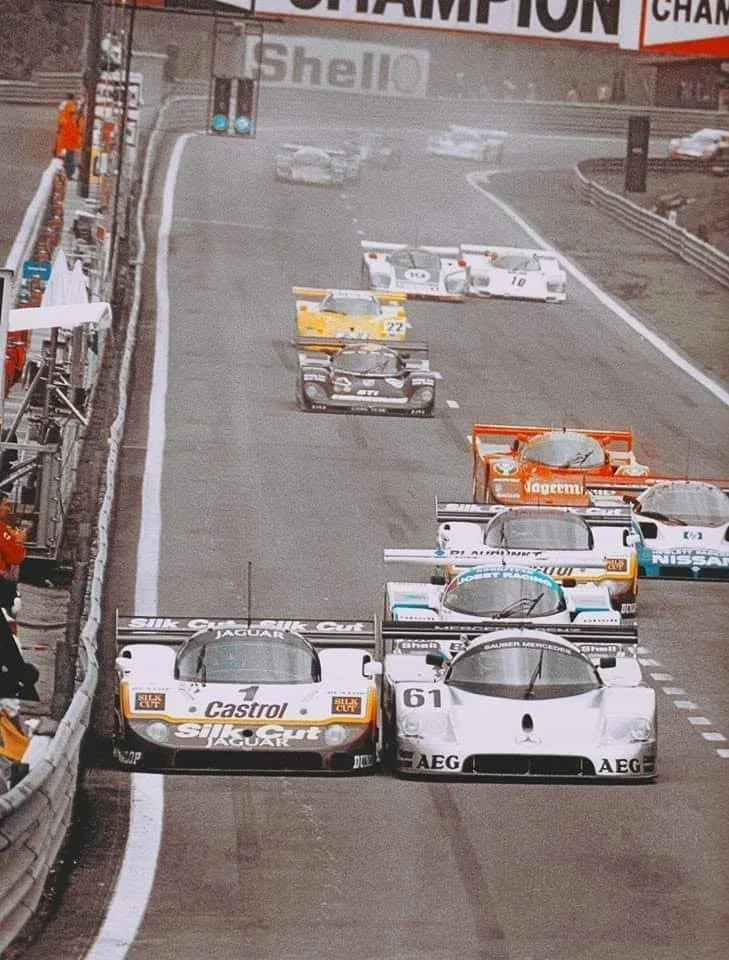
The XJR-11 occupies a unique place in Jaguar’s Group C story. It was the only turbocharged Jaguar ever to race in the category, took pole on both its debut and its final works outing, and in 1990 was the only car to beat the mighty Mercedes-Benz C11. With just three chassis built, it is one of the rarest Jaguar racing cars of the era, and remains a true podium contender in historic Group C racing today.
-
Chassis 189 was the first of the three XJR-11s built, and the very first turbocharged Group C Jaguar. It completed its maiden shakedown at Donington Park on 8 February 1989 in the hands of Jan Lammers, who had won Le Mans for Jaguar the previous year. With the V12 XJR-9 still leading TWR's campaign through the first half of the season, the XJR-11 was not unveiled until late June, at Jarama, the third round of the World Sports-Prototype Championship.
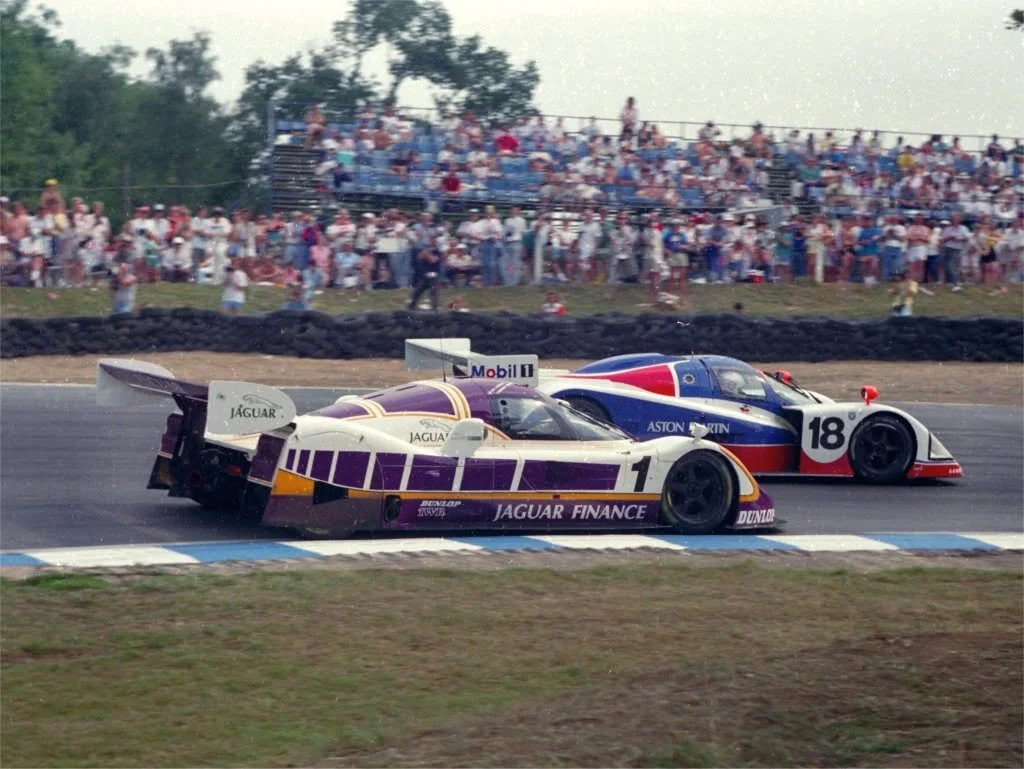
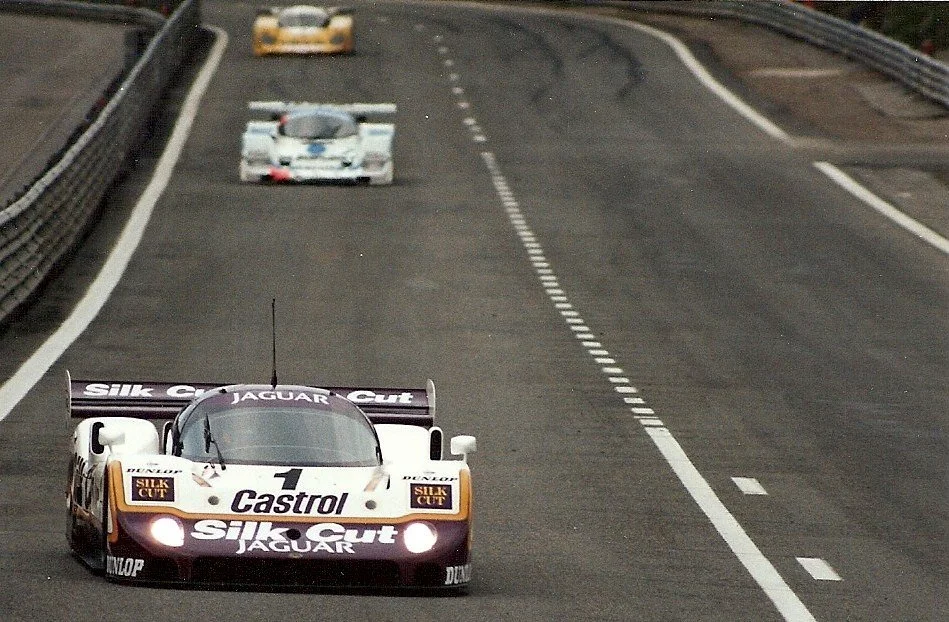
A month later, the XJR-11 made its race debut at Brands Hatch. Chassis 189 was the #1 car, shared by Lammers and former Ferrari Grand Prix winner Patrick Tambay. As reigning world champions, Jaguar had a reputation to defend, and the new car made an immediate impression amongst the 38-car-strong field. Lammers took pole position by four tenths of a second from the benchmark Sauber-Mercedes C9. In the early stages, Lammers and Tambay battled for the lead with the Saubers until contact with a Toyota cost them ground. A damaged turbocharger and the resulting loss of boost left chassis 189 to finish fifth on its debut.
In August, the Dutch-French pairing returned with chassis 189 at the Nürburgring. Lammers and Tambay qualified third, behind only the two Sauber-Mercedes C9s, but an eventful race culminated in a tenth-place finish. At Donington two weeks later the car lined up fifth on the grid, only for a distributor failure to end its run. Spa brought another show of speed: chassis 189 started from the front row, alongside the pole-sitting Sauber-Mercedes, but a turbocharger failure forced an early retirement.
Upgraded with redesigned front bodywork and revised suspension, chassis 189 returned for the opening round of the 1990 World Sports-Prototype Championship at Suzuka. Entered as the #3 car for Martin Brundle and Alain Ferté, the XJR-11 set the ninth-fastest time in qualifying and started from eighth on the grid. Brundle and Ferté ran strongly in the race, only for an oil-pump failure in the closing stages to force their retirement. Chassis 189 then served as the team’s spare car at four further rounds before being retired from period competition at the end of the season.
Chassis 189 was eventually sold by the works team and later acquired at a Coys auction by Manfredo Lippmann. A former racing driver himself, Lippmann had competed in the Carrera Panamericana and at Sebring in the 1950s, and he went on to become the official Mercedes-Benz distributor in Guatemala. Over the years he assembled a significant collection of competition cars, ranging from 1950s Ferraris and Porsches to Group C machinery such as the XJR-11 and a Sauber-Mercedes. The XJR-11 remained in the Lippmann collection until the early 2000s.
The very first XJR-11 was then brought back to the UK by marque specialist Derek Hood, who displayed the car, still unrestored, in his showroom for many years. Chassis 189 subsequently passed to Michael Tuke before being acquired by the current vendor in 2017. The vendor entrusted the car to Group C specialist Phil Stott Motorsport for a comprehensive rebuild to full race specification, finished in the especially attractive 1989 version of the iconic Silk Cut livery. The work was completed in time for the 2018 historic racing season.
With several Group C cars to choose from, the vendor selected the formidable XJR-11 for a number of events in 2018 and 2019 including Spa Classic and Le Mans Classic, sharing the driving with Le Mans class winner Ralf Kelleners and former FIA GT front-runner Alex Müller. The results were outstanding: third overall and second in class at the 2018 Le Mans Classic, followed by third overall and in class at the 2019 Espíritu de Montjuïc in Barcelona.
Not raced after 2019, chassis 189 was subsequently sent to specialists Scott Sport who were entrusted to perform a thorough mechanical rebuild of the car over the 2025/2026 winter. As a result, this XJR-11 is now offered with zero hours on both the engine and gearbox, and a recent crack-test report.
Adorned by one of motorsport’s most iconic liveries, and one of only three examples ever built, the XJR-11 remains a revered machine from one of the greatest eras in endurance racing. Freshly rebuilt, chassis 189 offers a highly competitive entry to some of the most evocative grids in historic sports car racing, remaining eligible for historic Group C outings worldwide and for premier events such as Le Mans Classic Legend, the Daytona and Sebring classic endurance races and the Monterey Motorsports Reunion. With around 750bhp, a weight of approximately 900kg and full ground-effect aerodynamics, this XJR-11 promises a driving experience that very few cars can match.
Note:Prospective buyers will note that chassis 189 is sometimes referred to as 189/1390, for example in Neil Smith’s book ‘On The Prowl - The Definitive History of the Walkinshaw Jaguar Sports Car Team’. As Smith writes, “At some point it was planned to be renumbered to #1390 but never appeared at a race track with that number".
-
Technical Passport:
None (when last raced there was no FIA requirement for HTP papers for Group C. They are now available by application if required).
Crack Testing:
Last completed: October 2025
Engine Life:
Current mileage: 0km
Last rebuild date and builder: September 2025 by X-Tec
Recommended rebuild intervals: 3000km
Gearbox:
Current mileage: 0km
Last rebuild date and builder: March 2025 by PDS Racing
Fuel Cell Certification:
Expiry date: July 2029
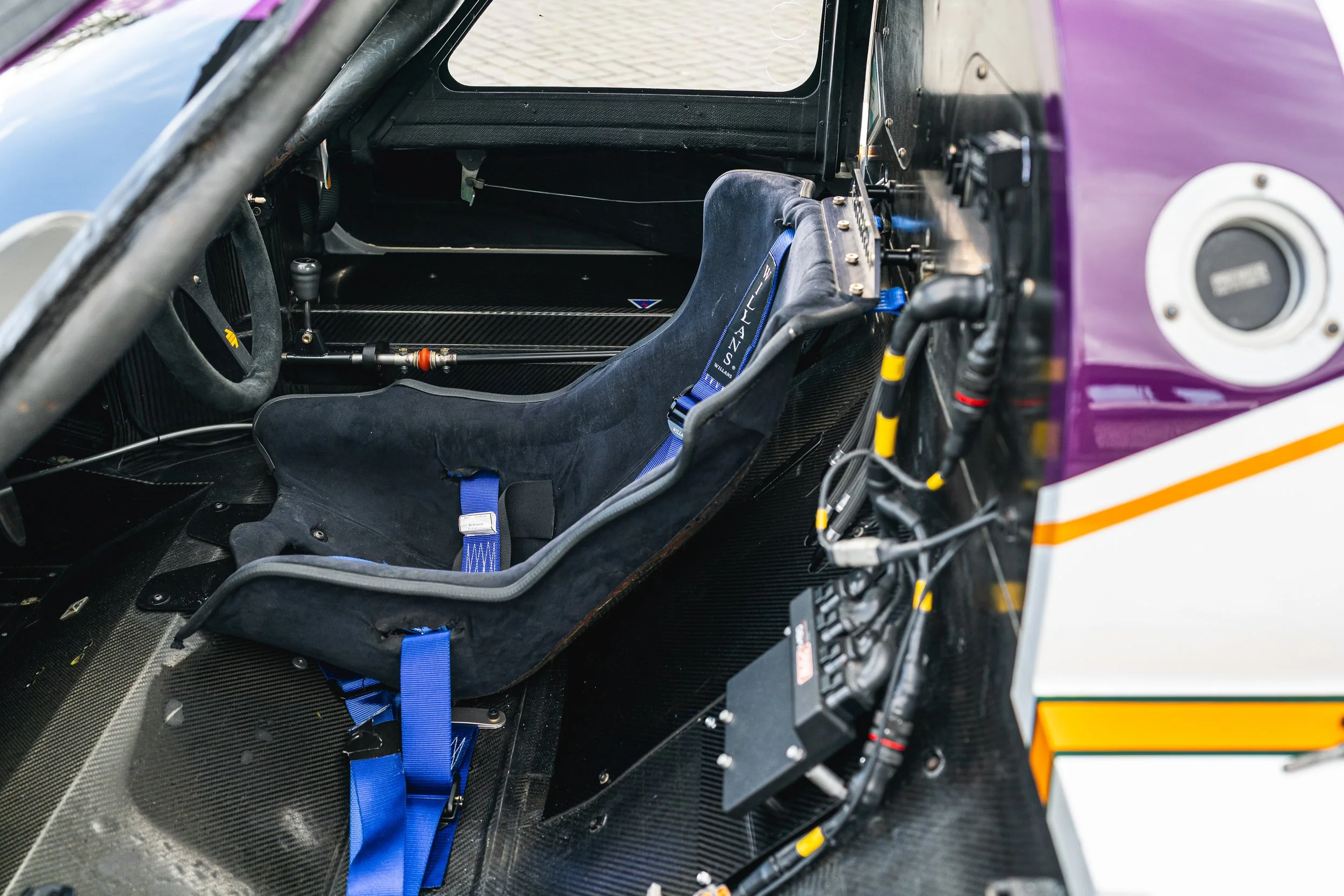
Seatbelts:
Expiry date: End of 2028
Fire Extinguisher:
New extinguisher installed in 2025, with next service date due in 2027
-
Category: Group C
Chassis: Carbon-fibre composite monocoque
Engine: TWR/Jaguar 3,498cc, 24-valve, Twin Turbo V6 engine producing in the region of 750bhp in period race specification (with output determined by boost setting)
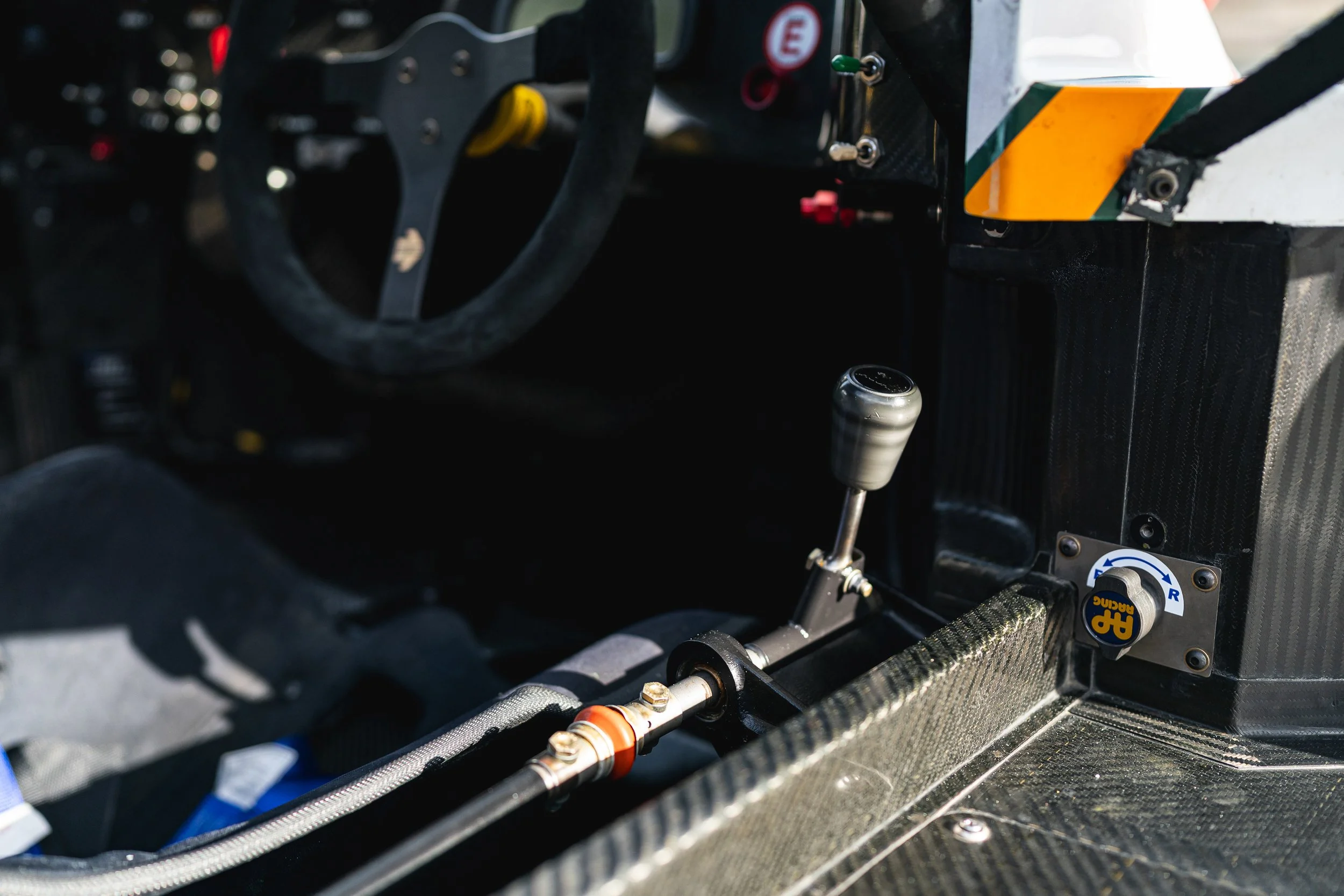
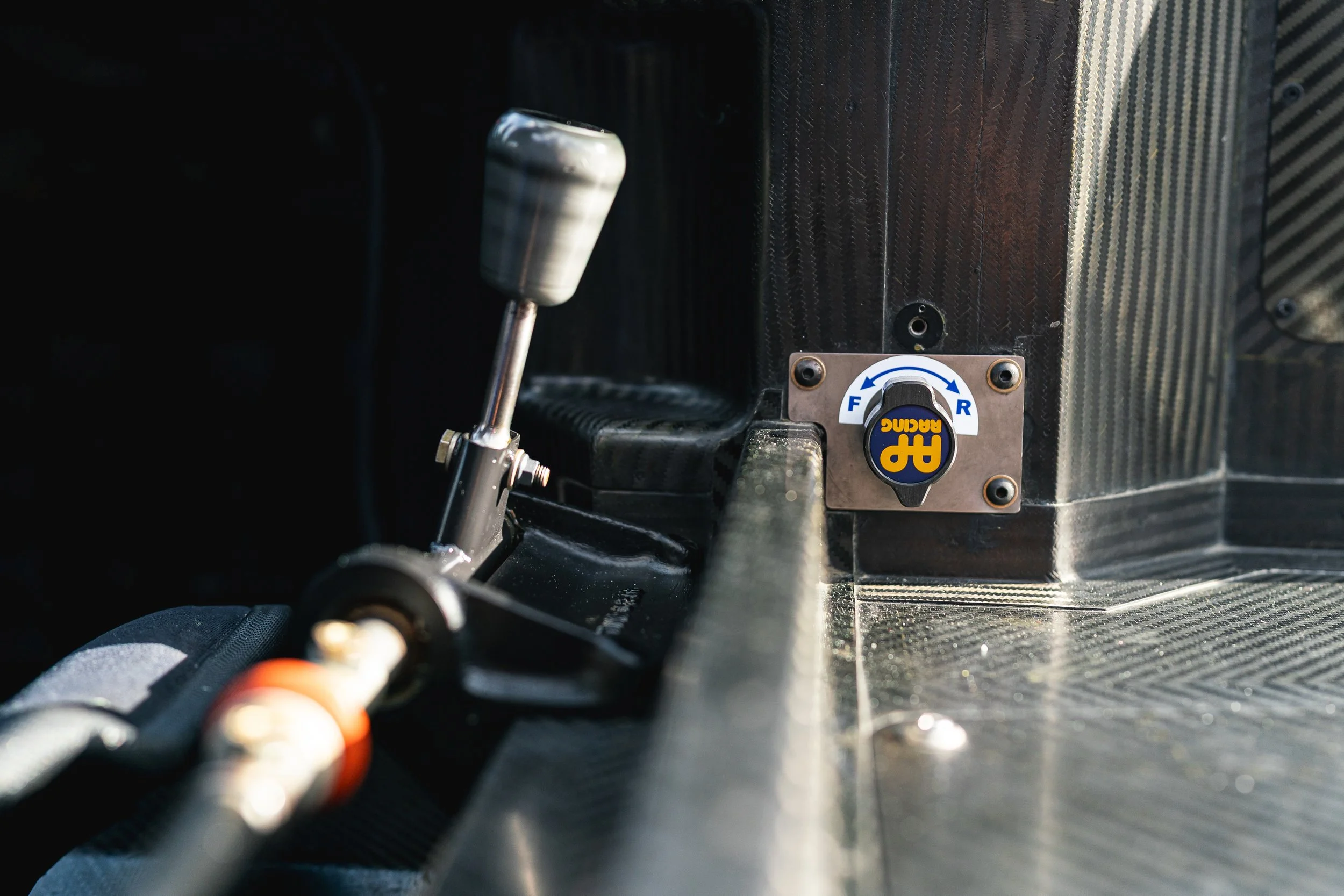
Gearbox: TWR/Jaguar 89L RD02 5-speed H-Pattern manual
Front & Rear suspension: Double wishbones, coil springs over three-way adjustable telescopic dampers, adjustable anti-roll bar
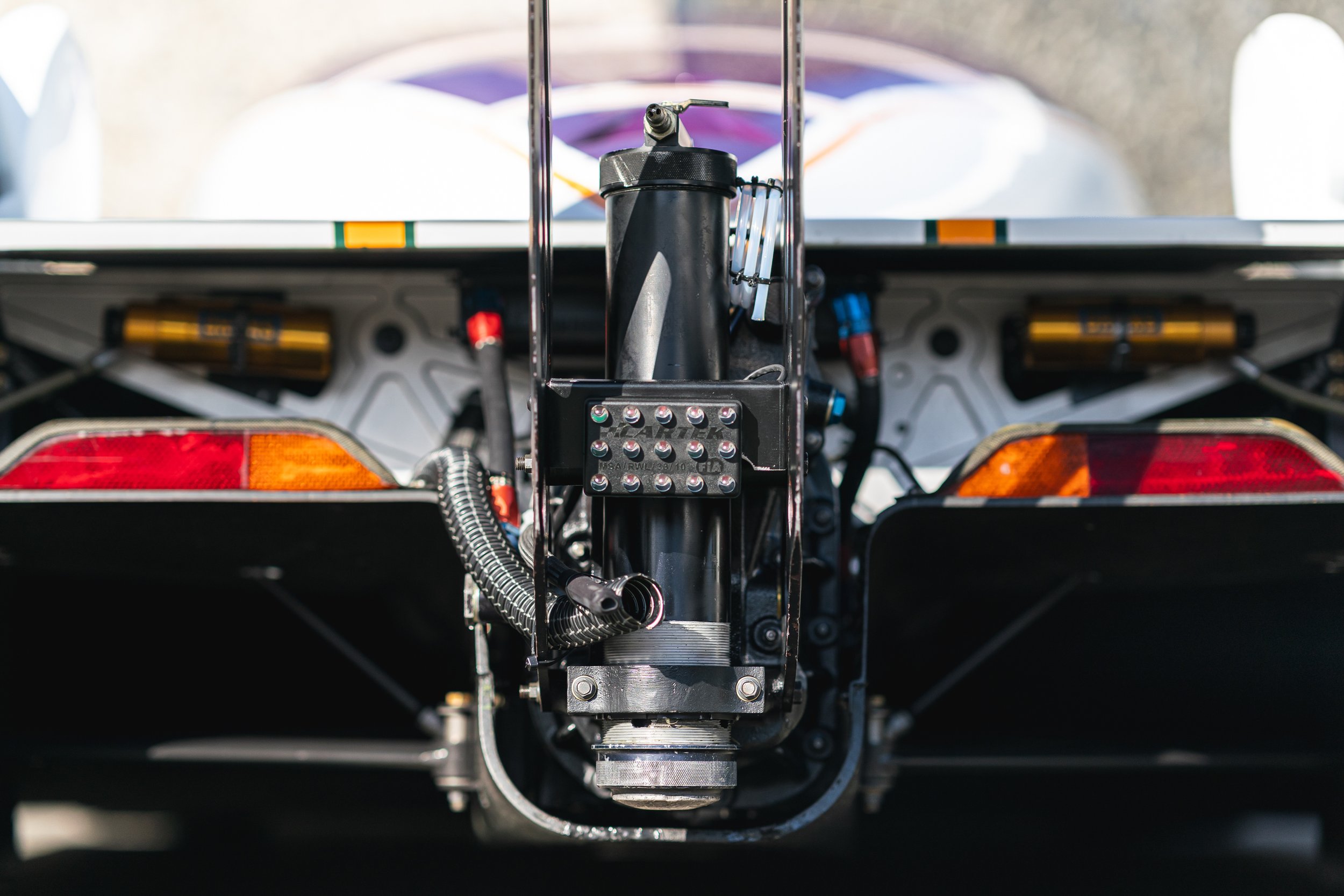
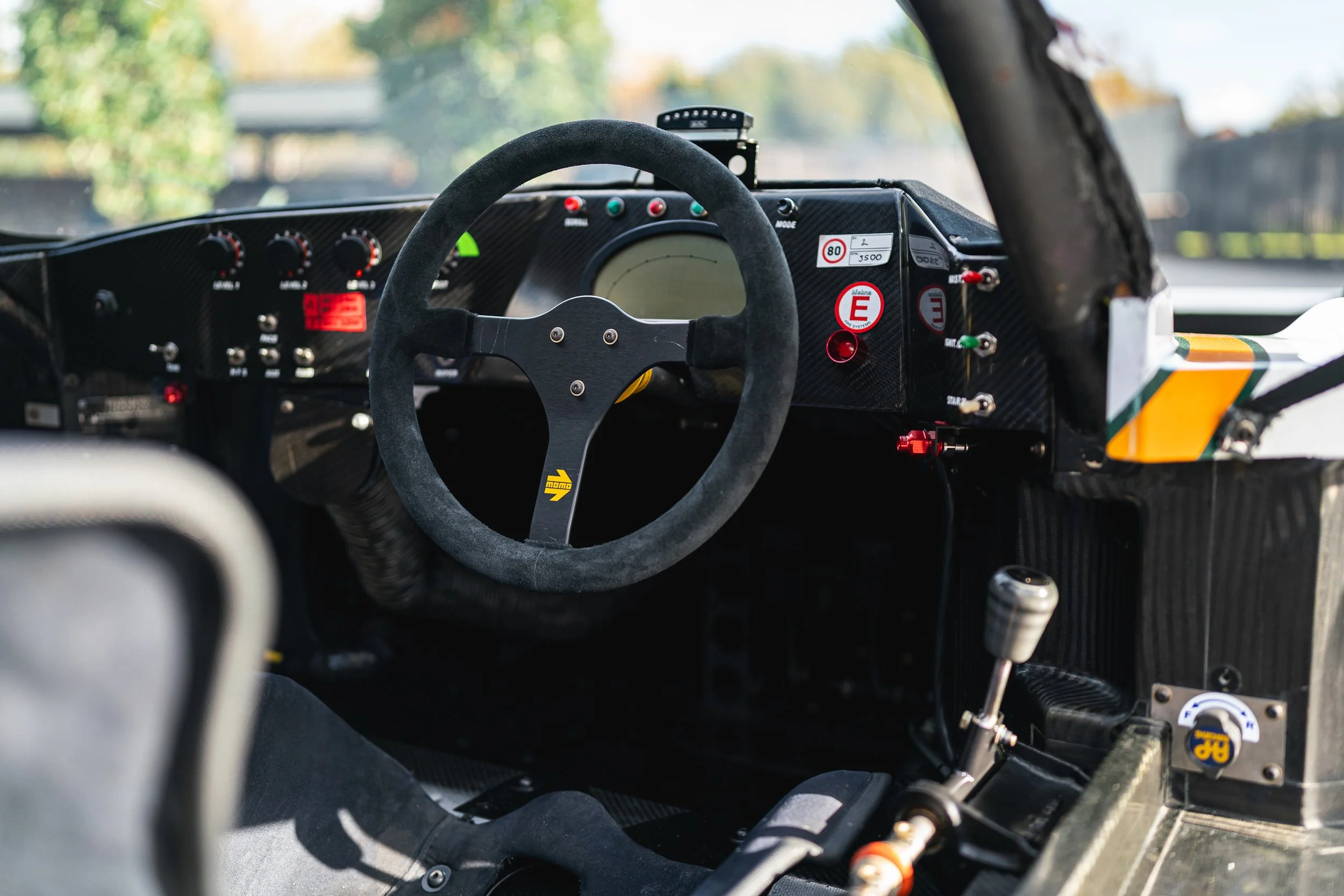
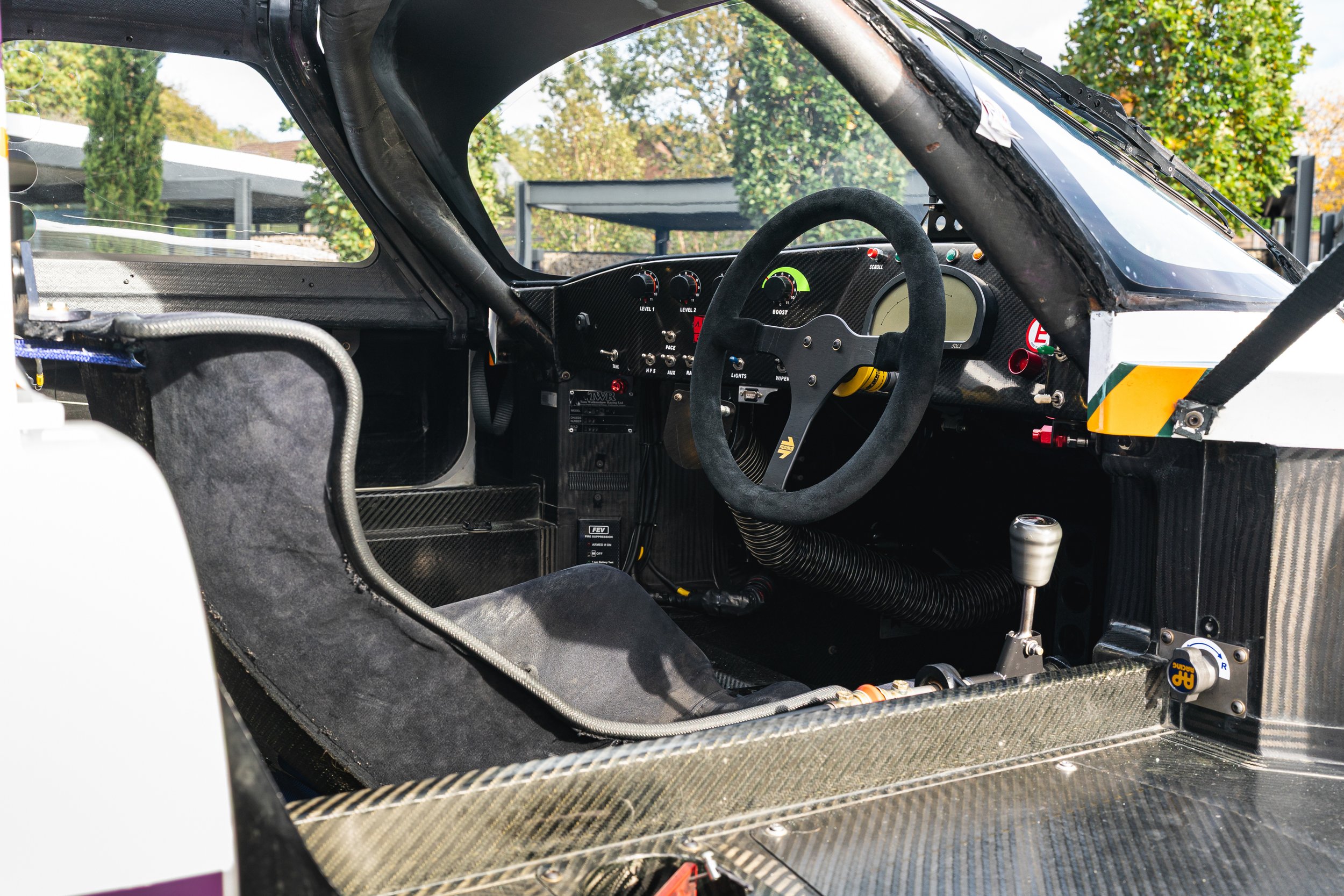
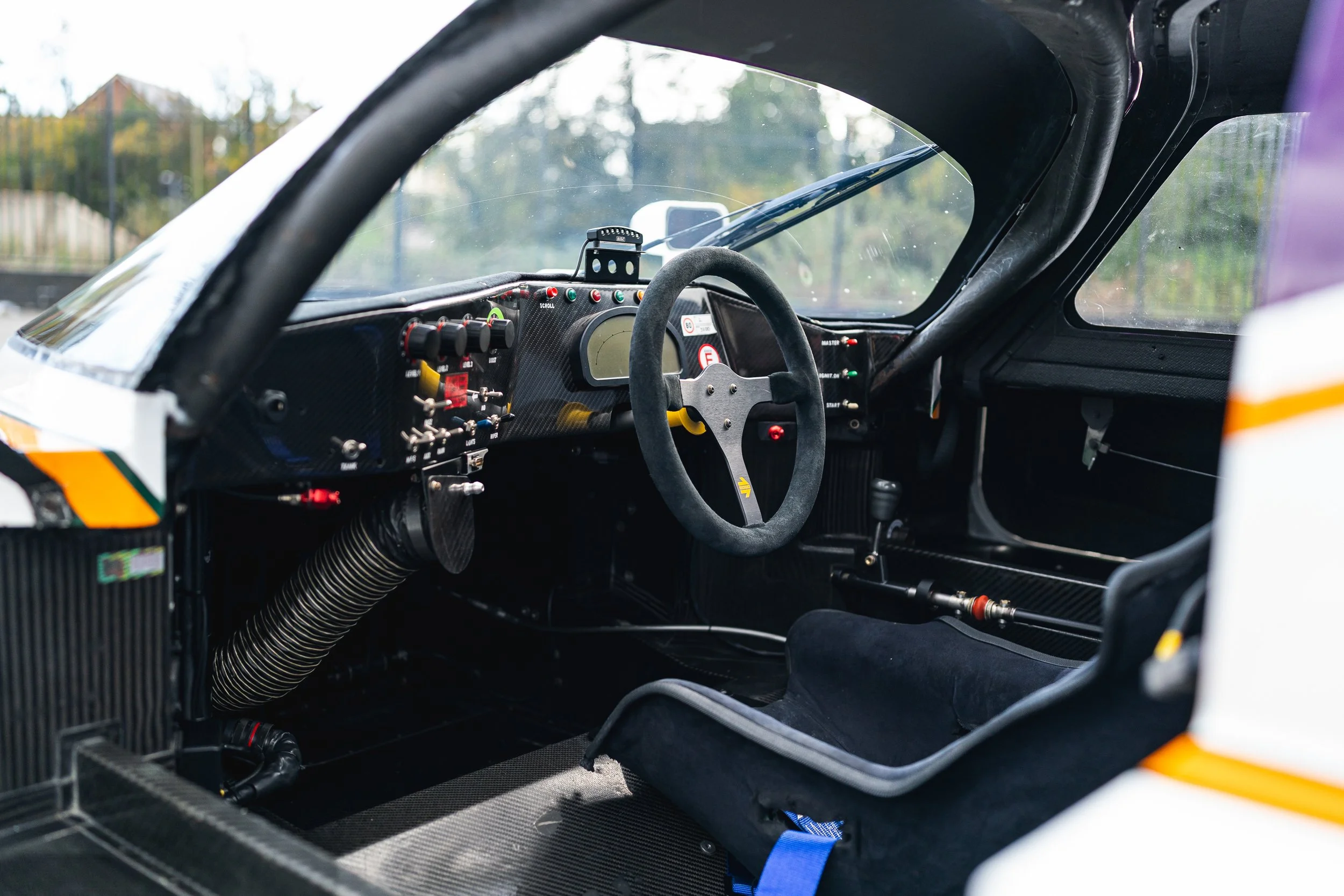
Electronics: The electronic systems of the car have been upgraded to modern Motec units.
Brakes: Ventilated steel discs currently fitted (the first two XJR-11s, including chassis 189, were upgraded to carbon brakes for 1990)
Weight: In the region of 900kg
Tyres: Avon racing slicks/wets
-
Le Mans Classic Legend - Plateau 7
The biennial Le Mans Classic Legend focuses on cars that competed at Le Mans between 1976 and 2015. The first edition took place in 2026 and provides Group C owners an extraordinary opportunity to compete on the full-length Circuit de la Sarthe during both day and night. .
Le Mans Classic Series - Group C
For Group C cars constructed between 1982 and 1993, Peter Auto’s historic Group C Grid visits some of Europe’s most revered circuits, including Barcelona, Spa and Paul Ricard.
Masters Group C
Masters’ Group C series caters for Group C cars constructed between 1982 and 1993 and visits superb circuits, including Paul Ricard and Monza.
Monterey Motorsports Reunion - Hurley Haywood Trophy
This annual event takes place during the iconic Monterey car week at the world-renowned Laguna Seca circuit and hosts a variety of races, including the Hurley Haywood Trophy for Group C and GTP cars between 1981 and 1991. The next event takes place in August 2027 and can be combined with the ‘Pre-Reunion’ event one week prior for those seeking the ultimate itinerary from their visit to this glorious corner of California.
HSR Group 6 - Including Daytona and Sebring Classics
For IMSA GTP & Group C cars, HSR’s Group 6 holds a full calendar of events in the United States. Among these events are two of the premier events for historic endurance competition, which are HSR Classic Daytona in November and HSR Classic Sebring 12 Hour in December.
-
Chassis 189 is accompanied by a selection of spares drawn from a larger stock of Jaguar Group C components, which the vendor acquired alongside this car and his XJR-12. The vendor and his preparer have since separated out the items believed to relate to the XJR-11, and these include a spare engine and gearbox. The condition, completeness and specification of both are unconfirmed, so they are offered as found, and we would encourage interested parties to inspect them. Further accompanying components include spare front splitters, wheels, bodywork accessories and small ancillary parts.
-
Car Location: this car is located at our Petersfield showrooms in Hampshire, United Kingdom where viewings are welcome by appointment.
Taxes: The car is sold EU taxes paid
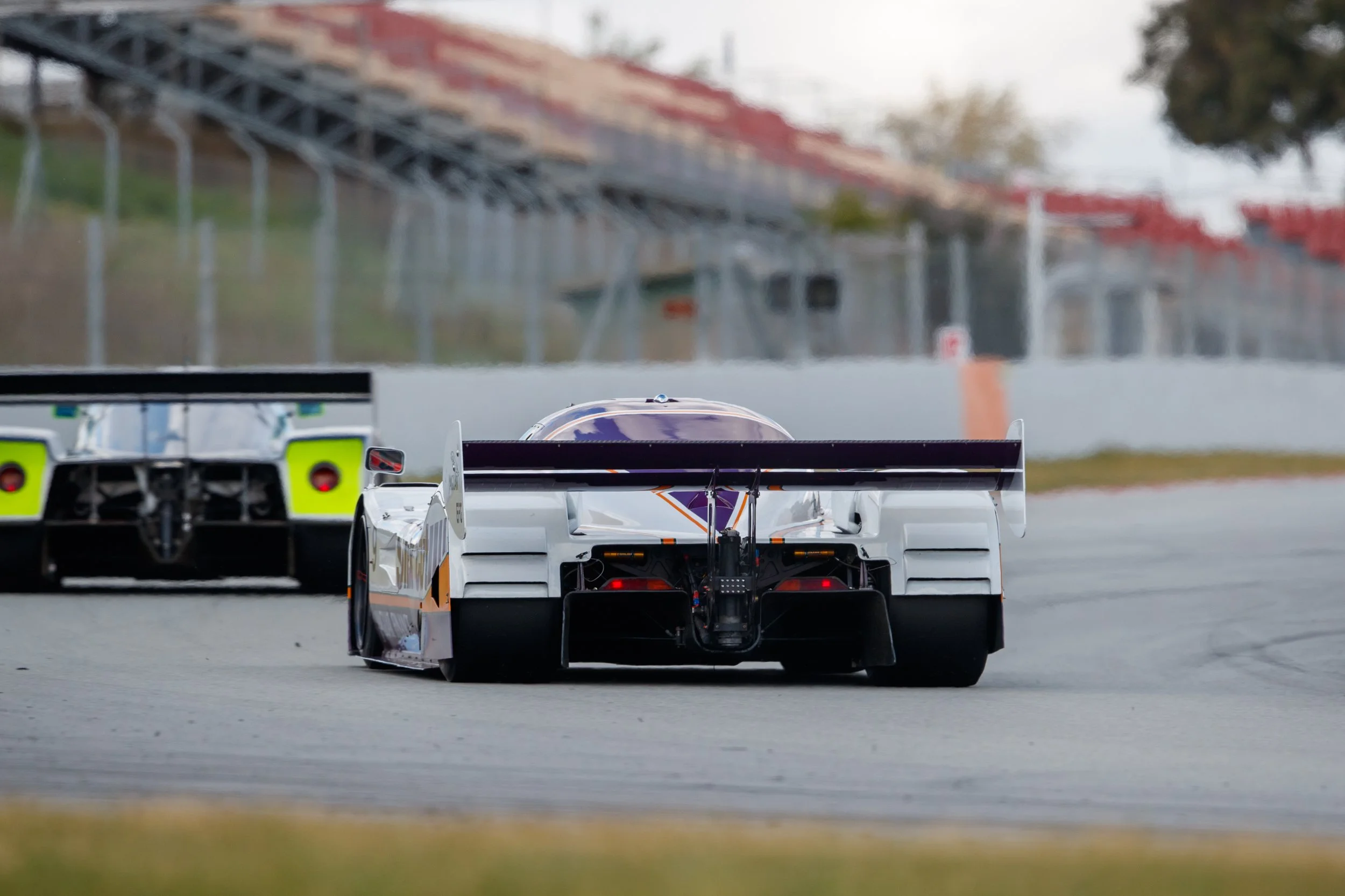
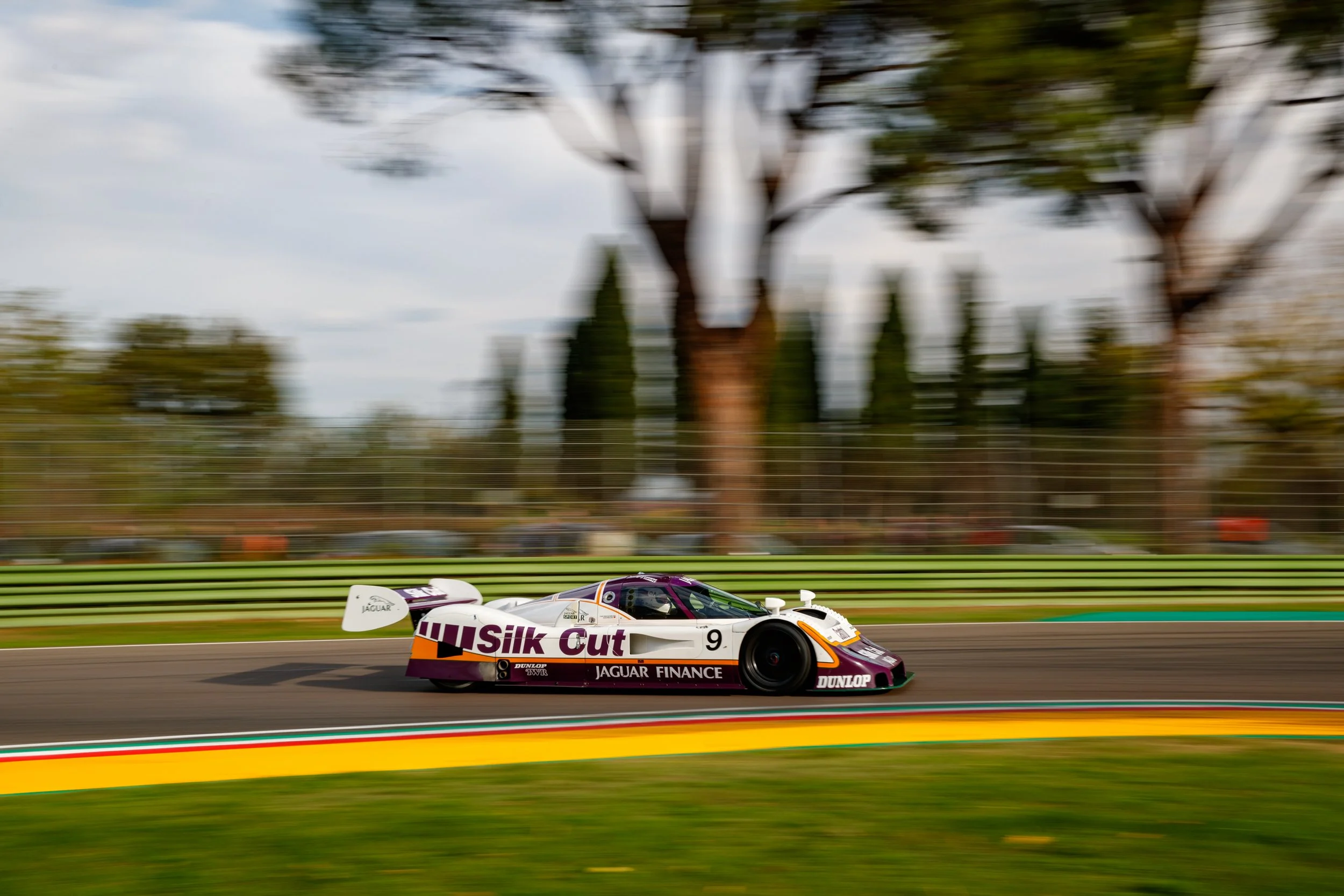
Sam Says“I've been fortunate to drive most of the TWR-era Group C Jaguars, and I can well understand why it was the XJR-11 that proved capable of beating the all-conquering Mercedes C11. Thanks in part to its compact twin-turbo V6 and the resulting weight distribution, the balance of the XJR-11 is sublime, and through tight, twisty corners it can feel more like a big go-kart than the thoroughbred Group C prototype that it is. The next custodian can be confident that chassis 189 remains a genuine podium contender on any historic Group C grid.”
PERIOD IMAGES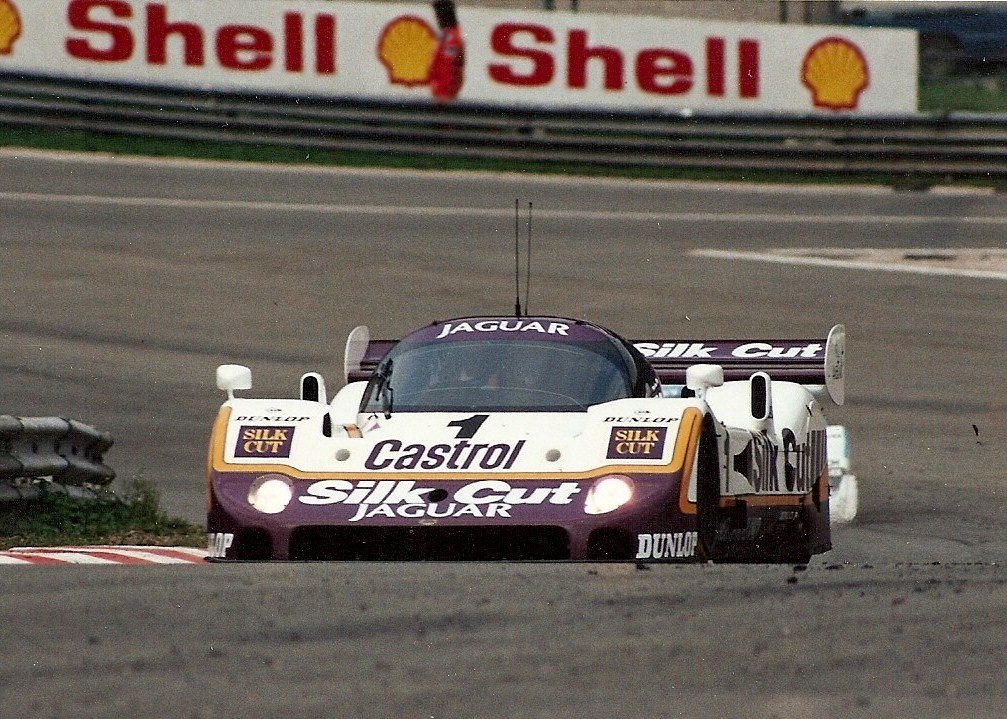
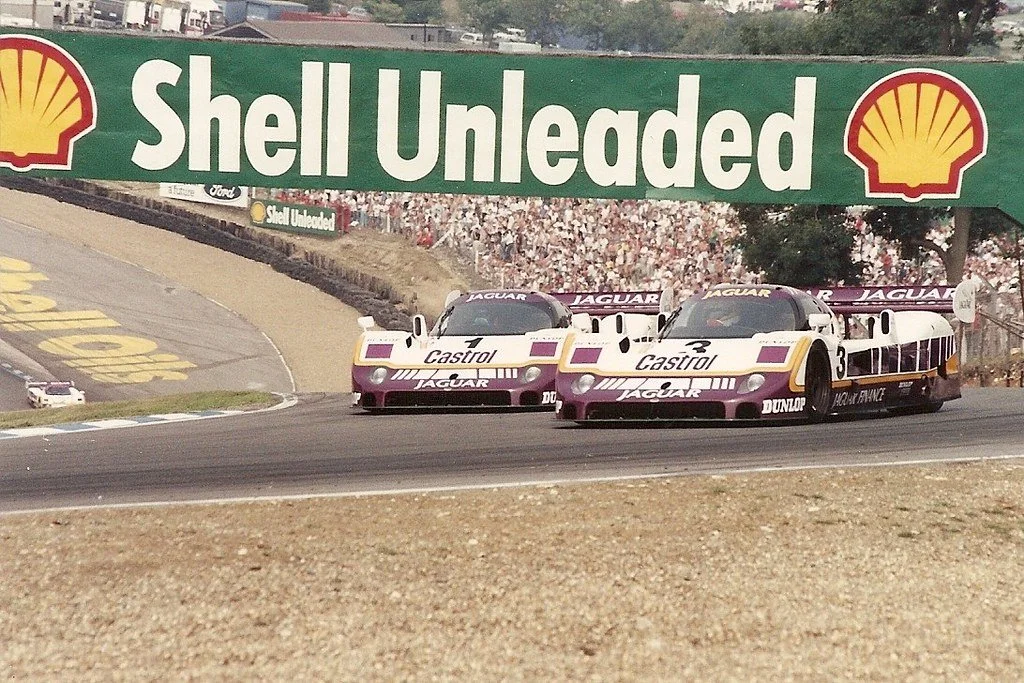
CONTEMPORARY IMAGES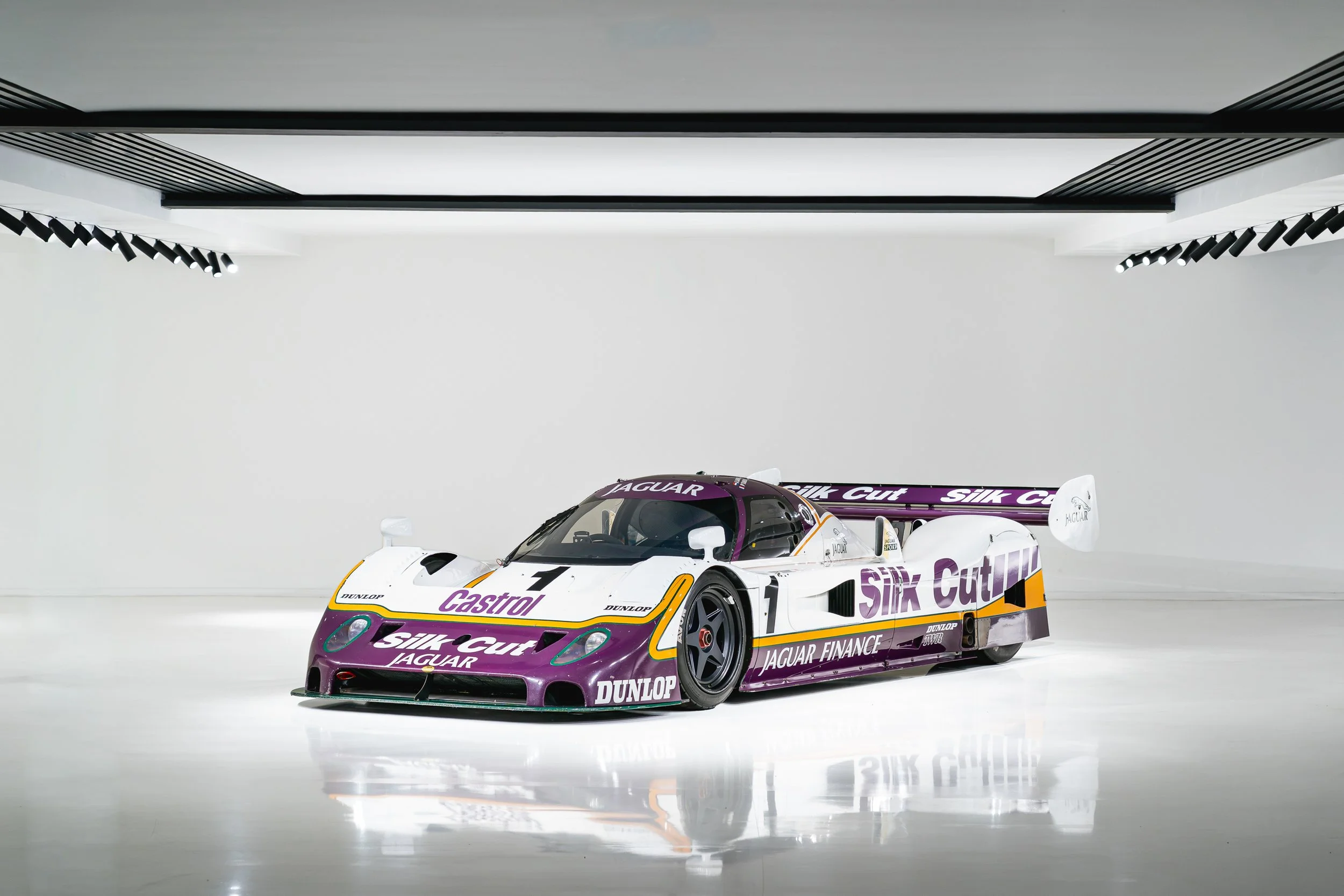














EnquiriesFor further information, please don’t hesitate to contact us.
ImagesRob Cooper, Wouter Melissen, Martin Lee